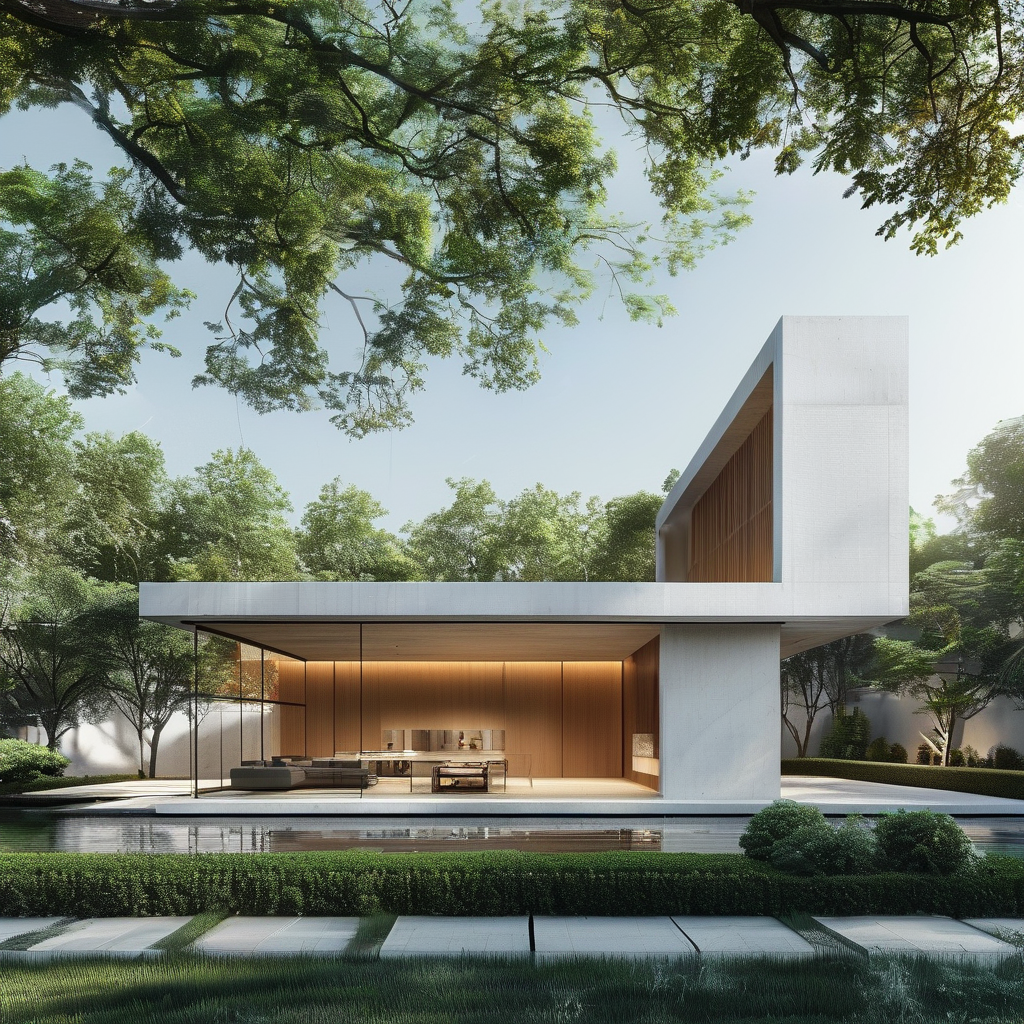
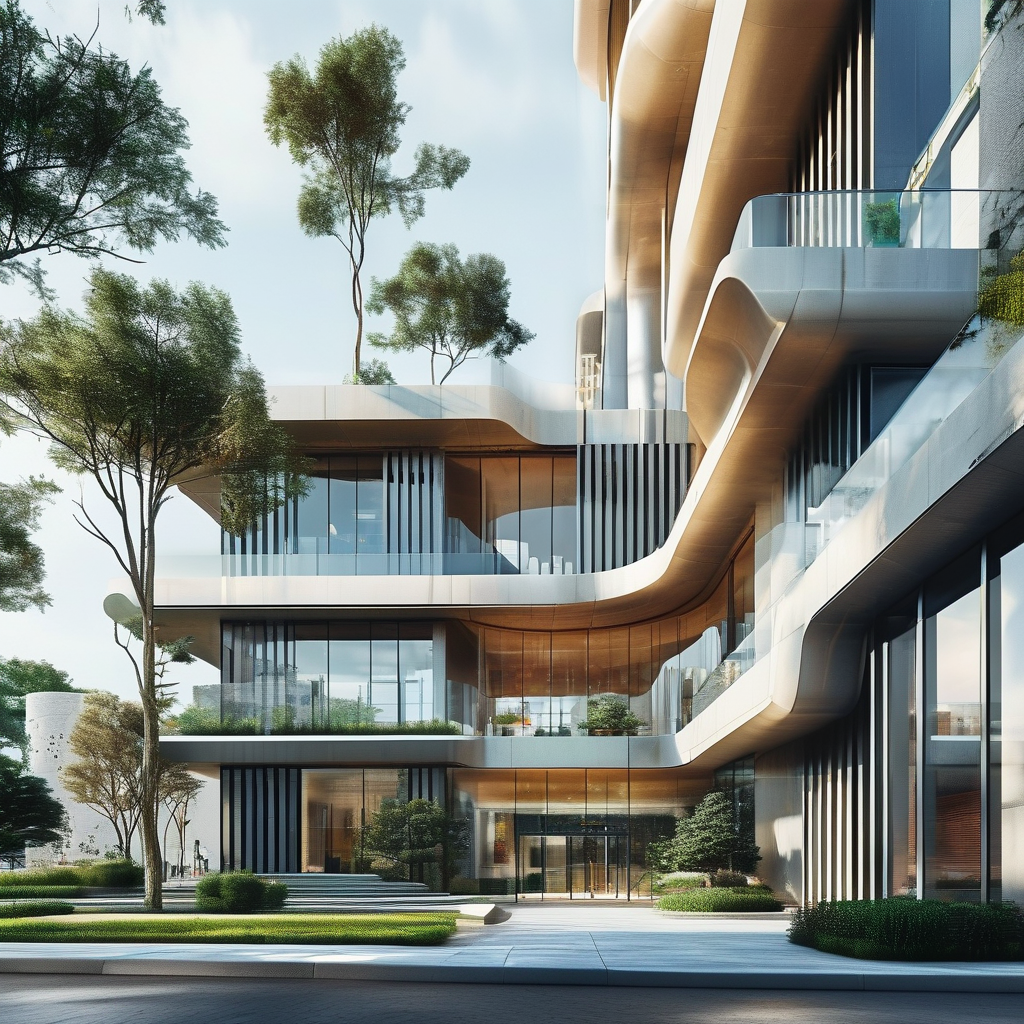
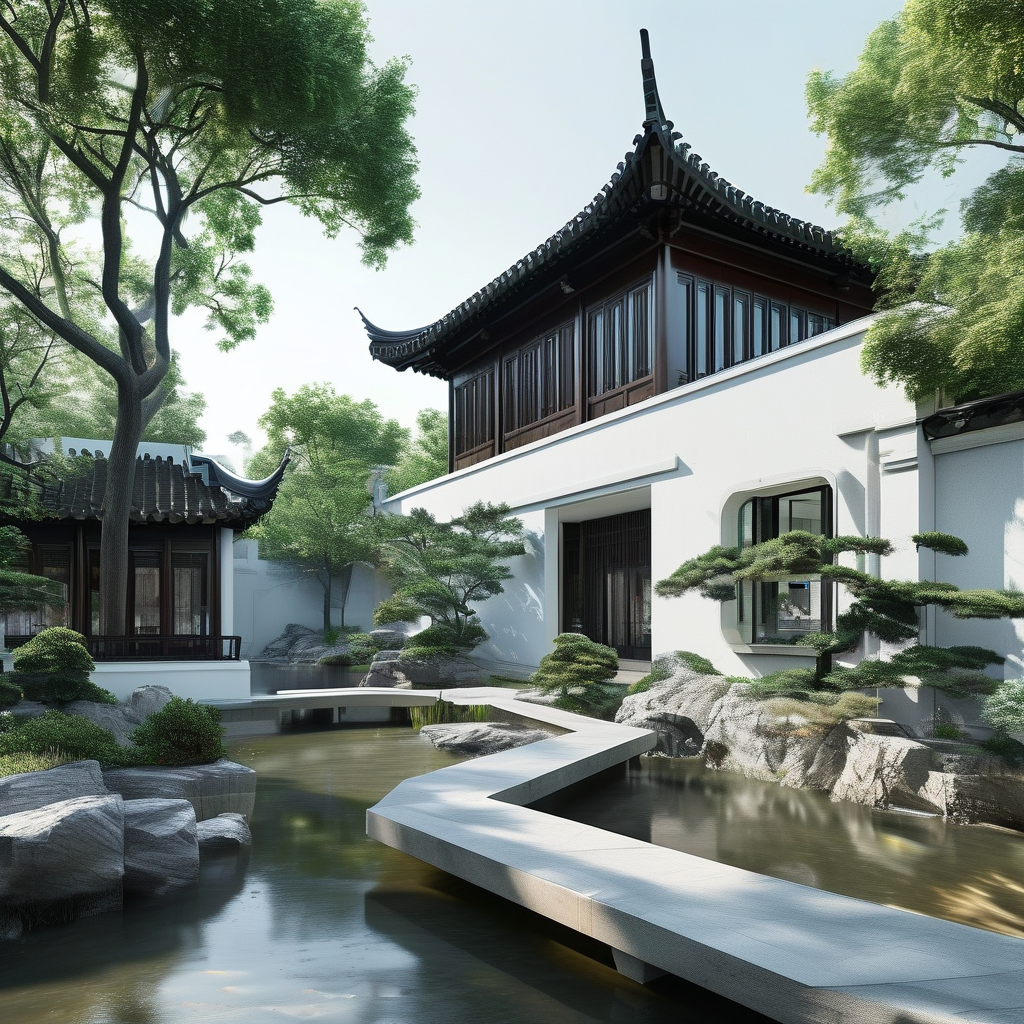
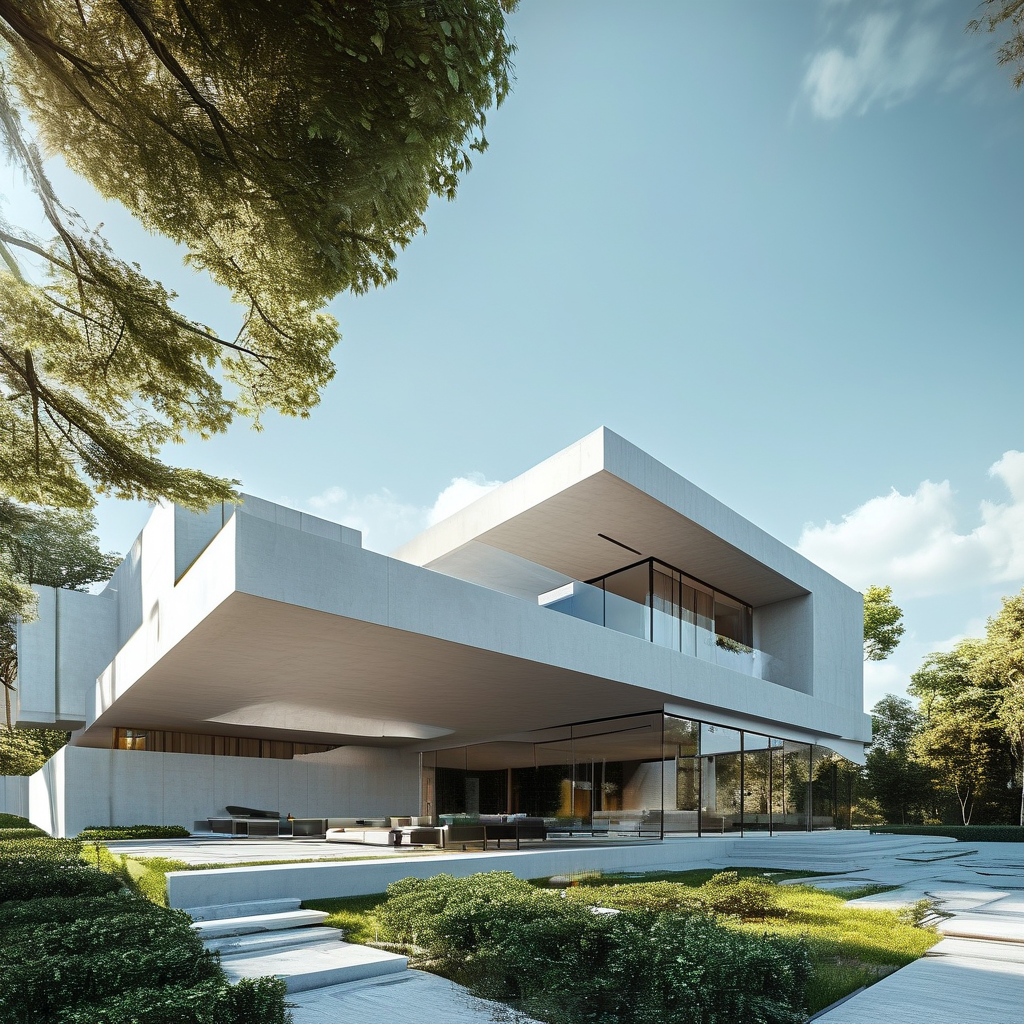
The adaptive reuse of historic buildings is an essential practice that balances the preservation of cultural heritage with the need for modern functional spaces. In the 21st century, this practice has gained renewed attention as cities seek ways to revitalize old structures while reducing the environmental impact of new construction. The European Union, for instance, has been a leader in promoting adaptive reuse through policies that encourage the conversion of abandoned or underutilized buildings into community centers, offices, and residential units. In China, the trend is also growing, with numerous projects aiming to preserve the historical aesthetics of buildings while adapting them to contemporary uses. DEHE Architecture has been actively involved in several such projects, ensuring that the unique character of each site is maintained while enhancing its usability for current and future generations. This approach not only preserves the past but also enriches the urban fabric by integrating heritage with modern design.
行业资讯
Heritage Reimagined: Adaptive Reuse in the 21st Century
DEHE·每日早讯
2026-07-17