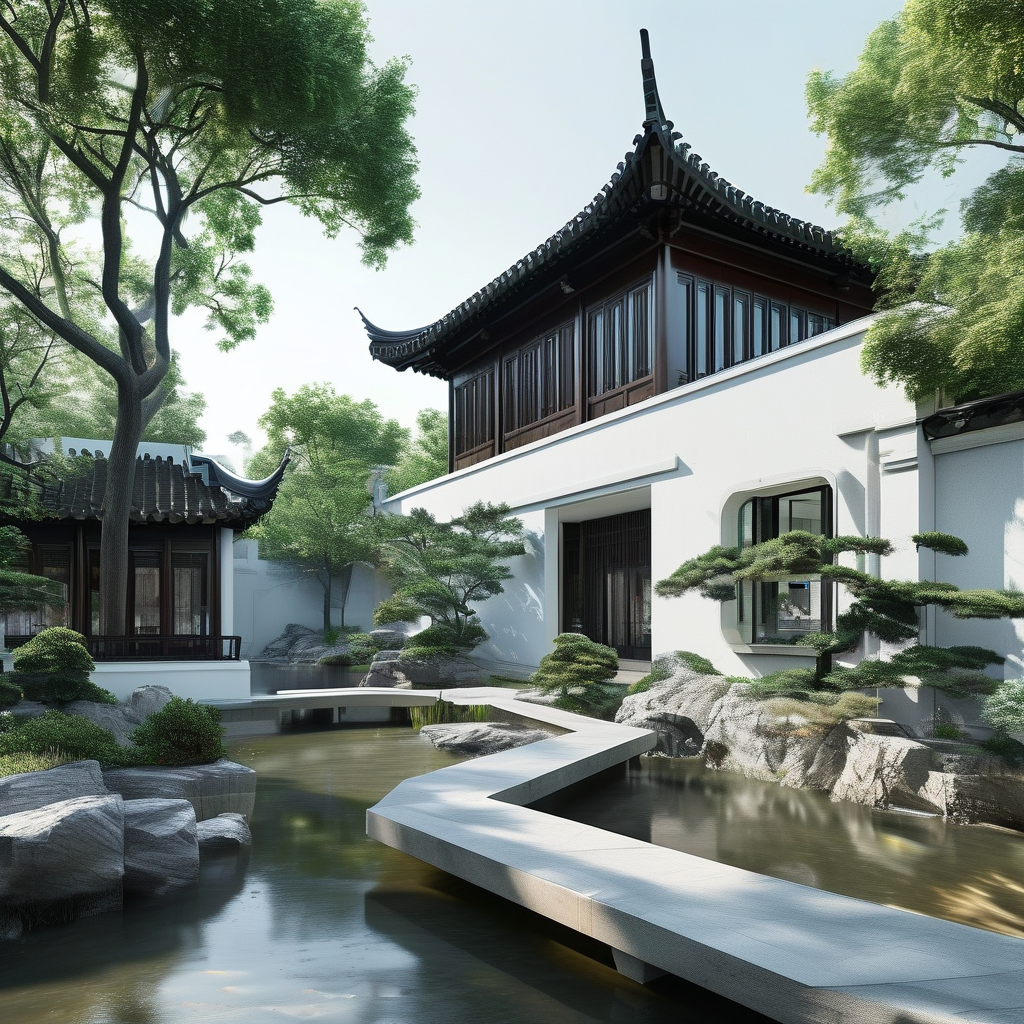
In recent years, the approach to heritage preservation has shifted from merely maintaining historical structures to integrating them into contemporary urban environments through adaptive reuse. This trend is particularly evident in cities with rich architectural histories, where old buildings are being transformed into vibrant cultural spaces, modern offices, and even residential units. Adaptive reuse not only preserves the cultural and historical value of these structures but also contributes to sustainable urban development by minimizing waste and reducing the need for new construction. DEHE Architecture has taken a leading role in this area, applying modern design principles to heritage buildings while respecting their original features. The firm’s recent project, the transformation of an old textile factory into a mixed-use cultural center, exemplifies this approach. The project involved careful restoration of the factory’s exterior and selective modernization of its interior to suit the needs of a modern community. Such projects highlight the importance of collaboration between architects, engineers, and historians to ensure that the adaptive reuse is both functional and respectful of the building’s heritage. As more cities embrace this method, the role of architecture firms like DEHE in facilitating these transformations becomes increasingly vital, contributing to the preservation of urban identity and the enhancement of community life.
行业资讯
Heritage Preservation: A Modern Approach to Adaptive Reuse
DEHE·每日早讯
2026-07-16