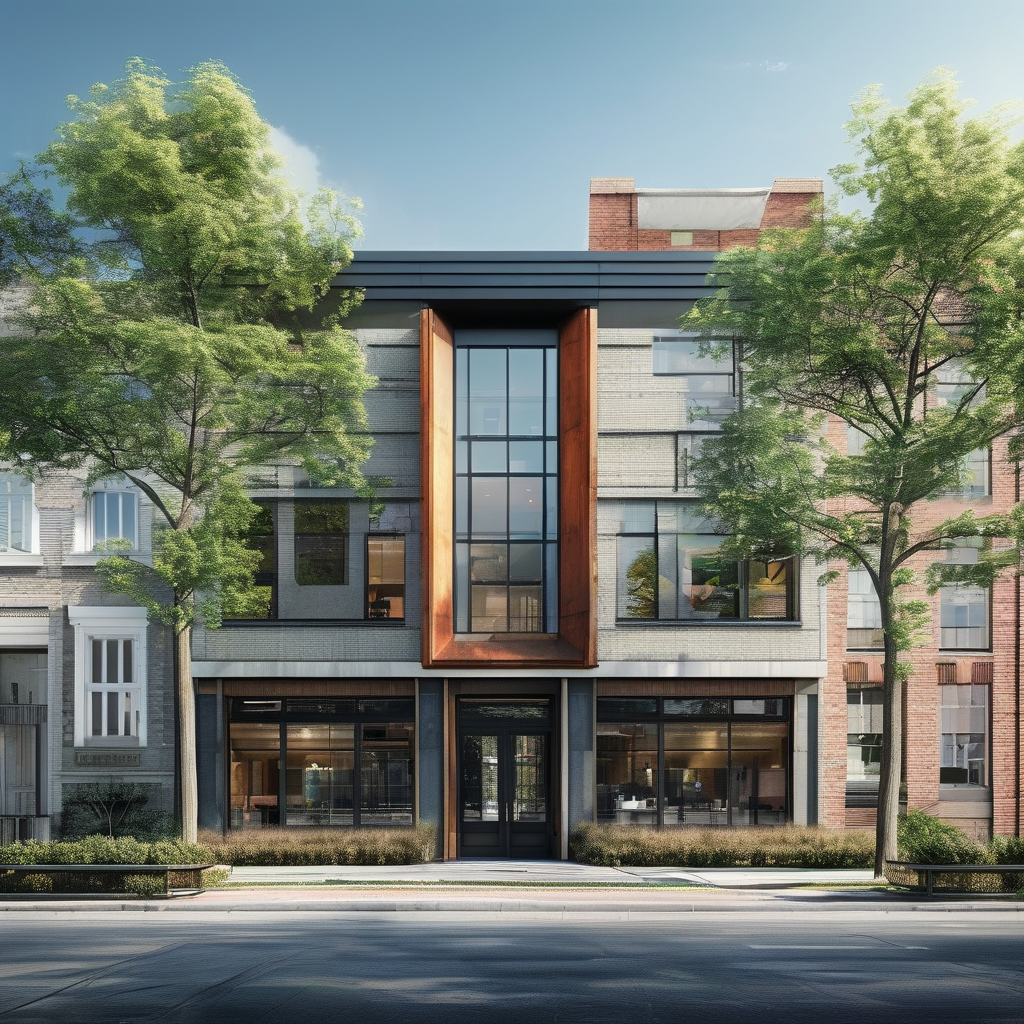
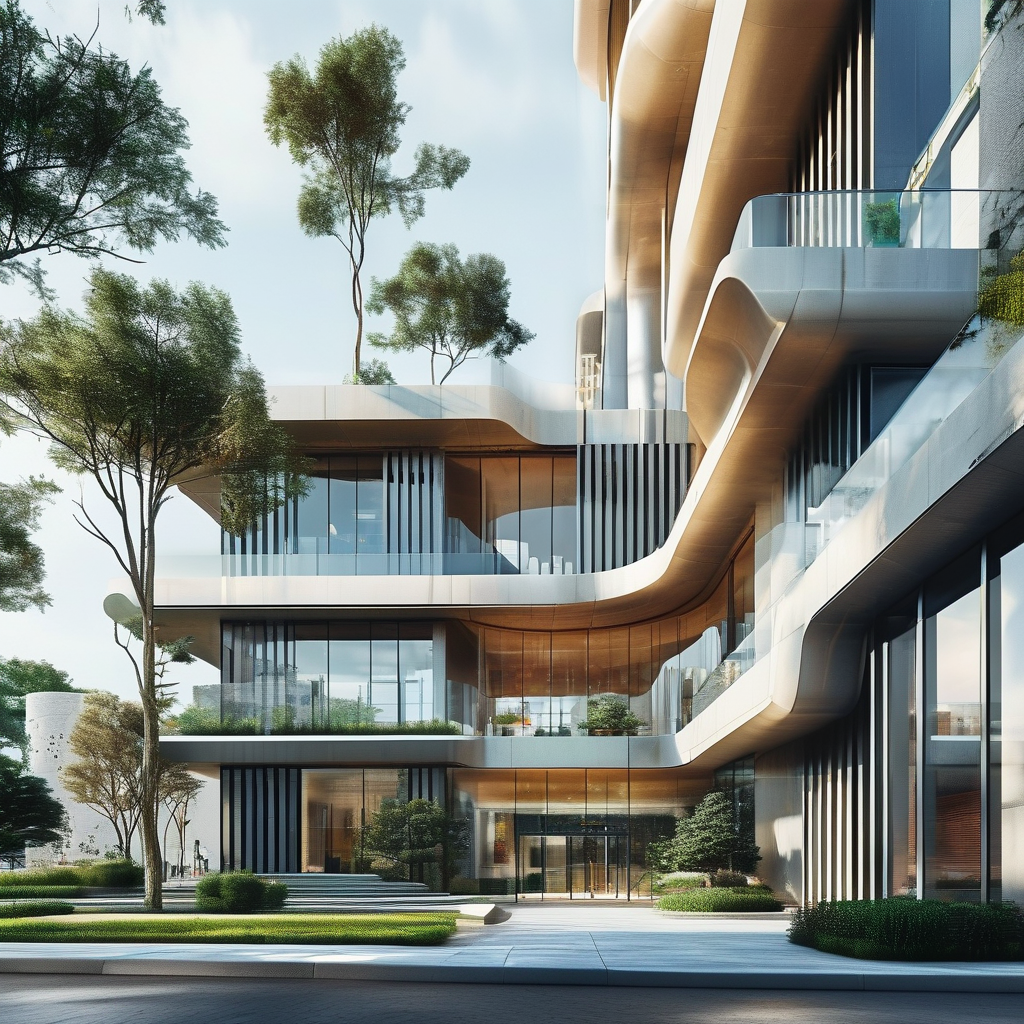
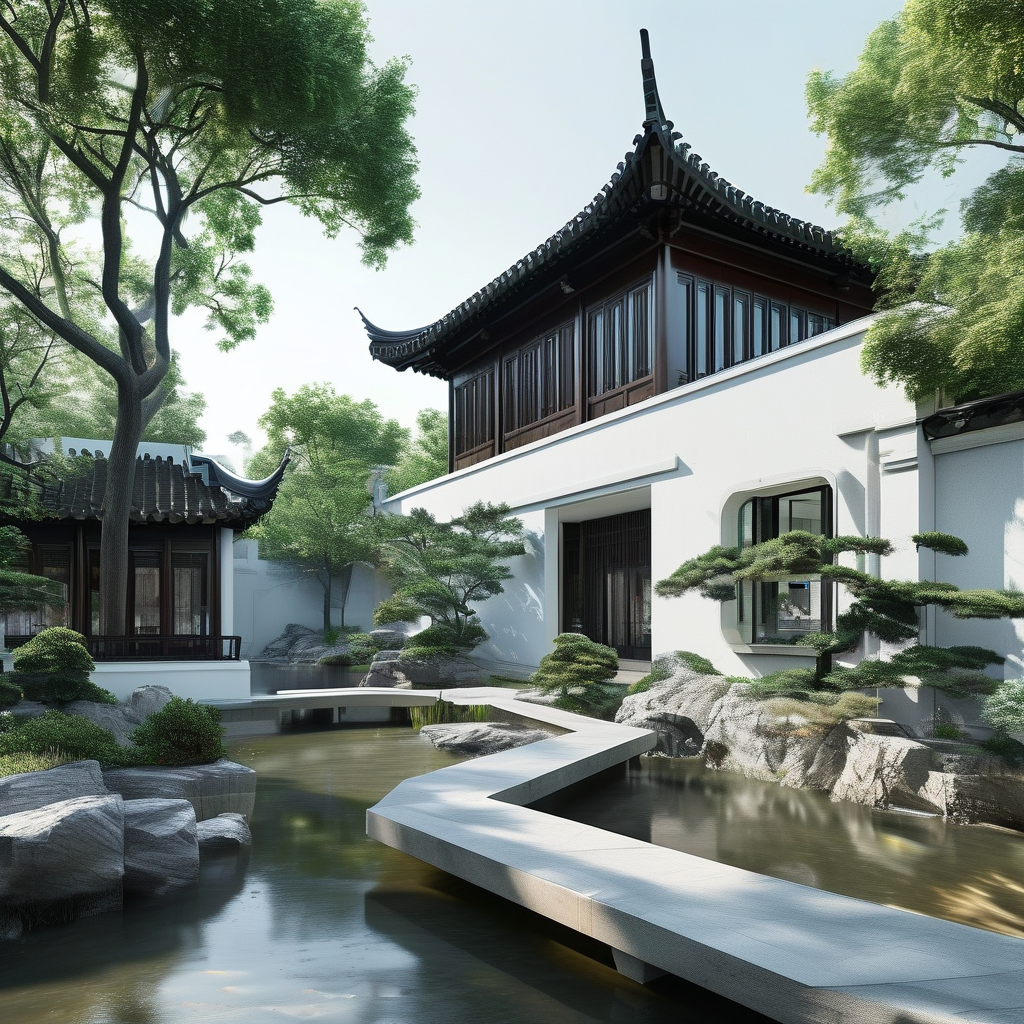
The preservation of heritage buildings and their adaptive reuse has gained prominence as a sustainable and culturally enriching practice in the architecture and urban planning sectors. This approach involves maintaining the historical integrity of a building while adapting it for contemporary use, thereby preserving cultural heritage and reducing the environmental impact of new construction. According to reports, cities around the world are increasingly embracing the adaptive reuse of historic buildings to address the dual challenges of urban development and sustainability. In the United States, the National Trust for Historic Preservation has been a leading advocate for this practice, highlighting numerous success stories where old structures have been transformed into vibrant community spaces, offices, and residential units. Similarly, in Europe, the adaptive reuse of industrial sites and historical landmarks has become a common strategy to revitalize urban areas. For instance, the transformation of the former Olympic Park in London into a mixed-use development area is a prime example of how adaptive reuse can create dynamic and sustainable urban environments. In China, the adaptive reuse of traditional courtyard houses and industrial complexes has been a focus, with projects like the 798 Art Zone in Beijing showcasing how historical buildings can be repurposed for cultural and economic activities. DEHE Architecture, with its strong foundation in heritage preservation and adaptive reuse, is committed to contributing to the conservation and innovative transformation of historical buildings, ensuring they remain relevant and functional within modern urban contexts.
行业资讯
Heritage Preservation and Adaptive Reuse: Revitalizing Historic Buildings for Modern Needs
DEHE·每日早讯
2026-07-13