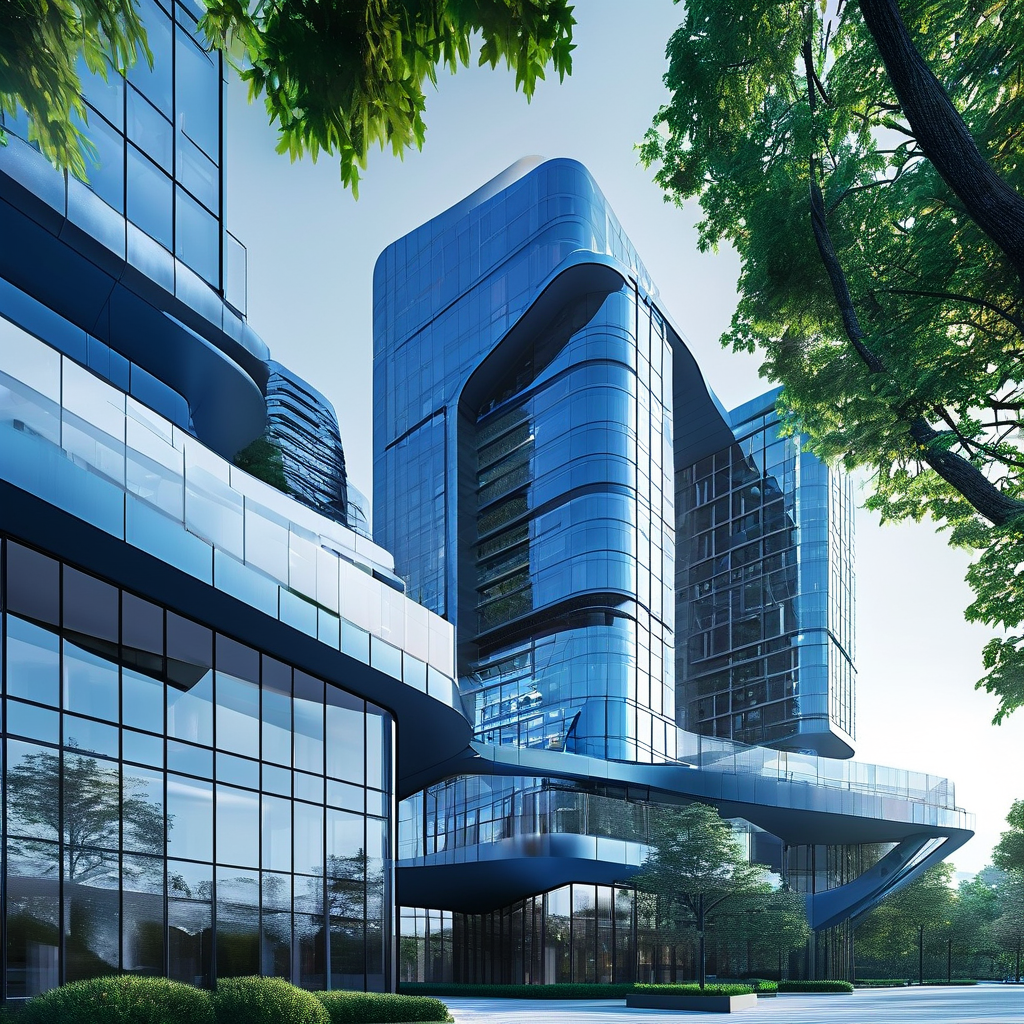
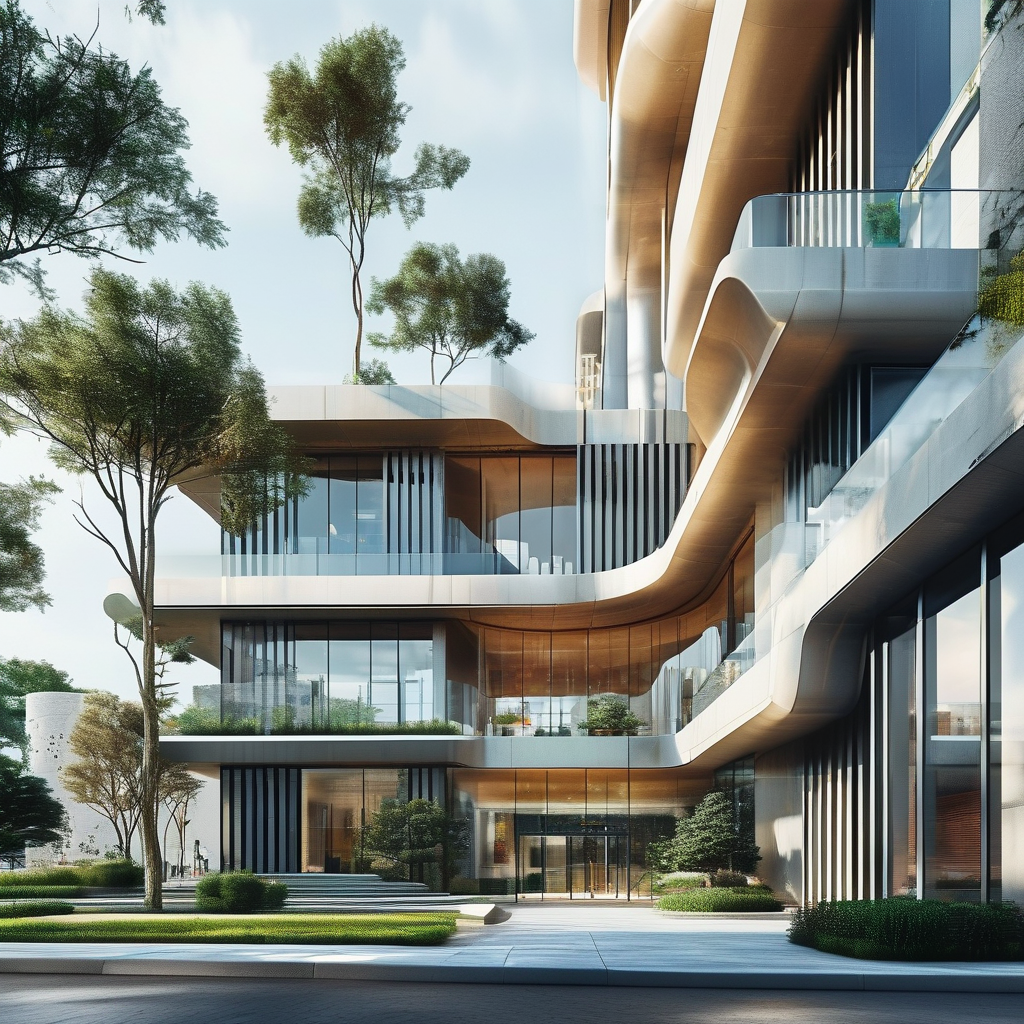
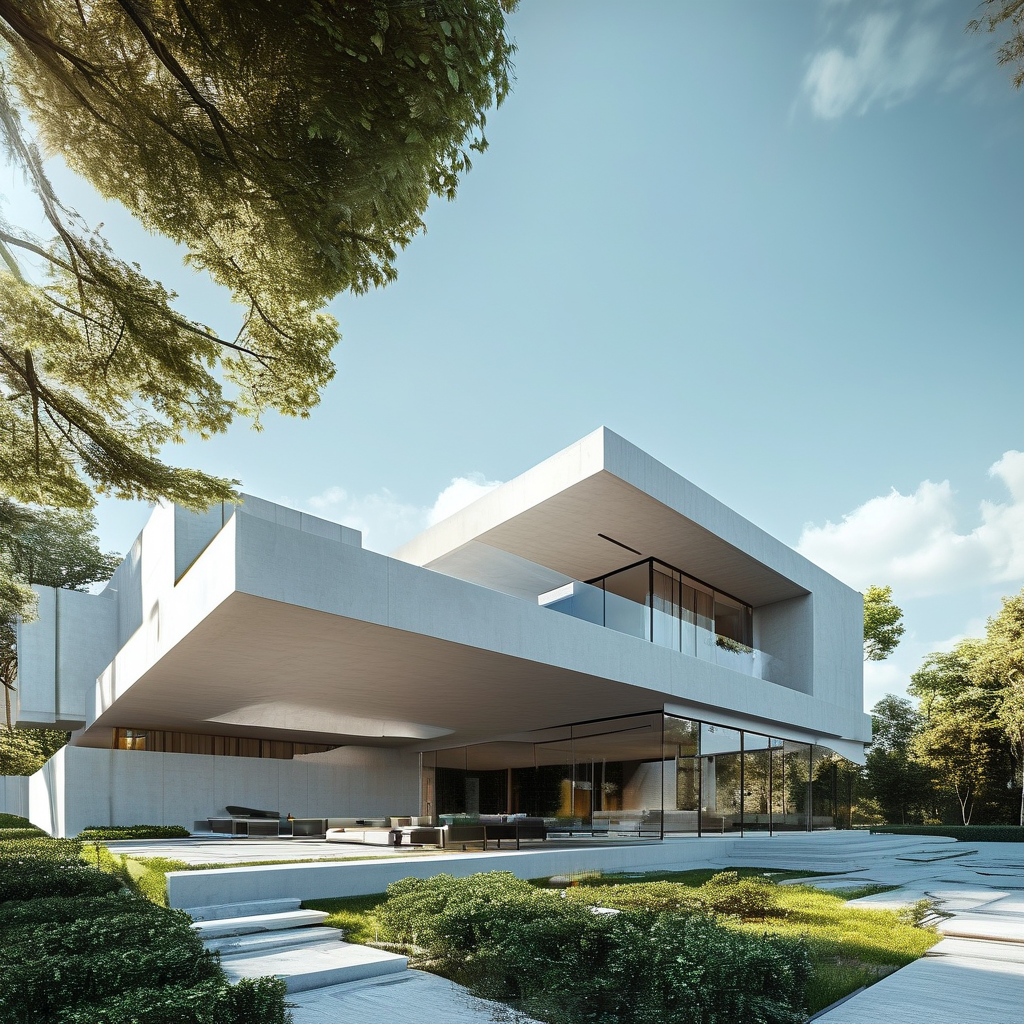
As urban populations grow and technology advances, the concept of smart city infrastructure has become a focal point for urban planners and architects. This approach integrates information and communication technology (ICT) to manage a city’s assets, including its energy distribution, water supply, waste management, and transportation systems. The goal is to enhance the quality of urban services, reduce costs and resource consumption, and improve the interaction between citizens and city officials. According to industry discussions, the implementation of smart city infrastructure can significantly improve the efficiency and sustainability of urban environments. However, challenges such as data privacy, cybersecurity, and high initial investment costs remain significant barriers. In response, governments and private sectors are collaborating to develop frameworks and policies that ensure the secure and effective deployment of these technologies. For example, the European Union has launched several initiatives to support the development of smart cities, focusing on areas such as governance, urban planning, and energy efficiency. In Asia, cities like Singapore and Seoul have made substantial progress in incorporating smart technologies into their urban fabric, setting standards for global urban development. The role of architectural firms in this transformation is critical, as they must design buildings and public spaces that are compatible with smart systems and can adapt to future technological changes. DEHE Architecture, with its expertise in urban planning and smart city infrastructure, is uniquely positioned to contribute to these evolving urban landscapes, ensuring that design solutions are not only aesthetically pleasing but also functional and forward-thinking.
行业资讯
Smart City Infrastructure: A Blueprint for Future Urban Development
DEHE·每日早讯
2026-07-13