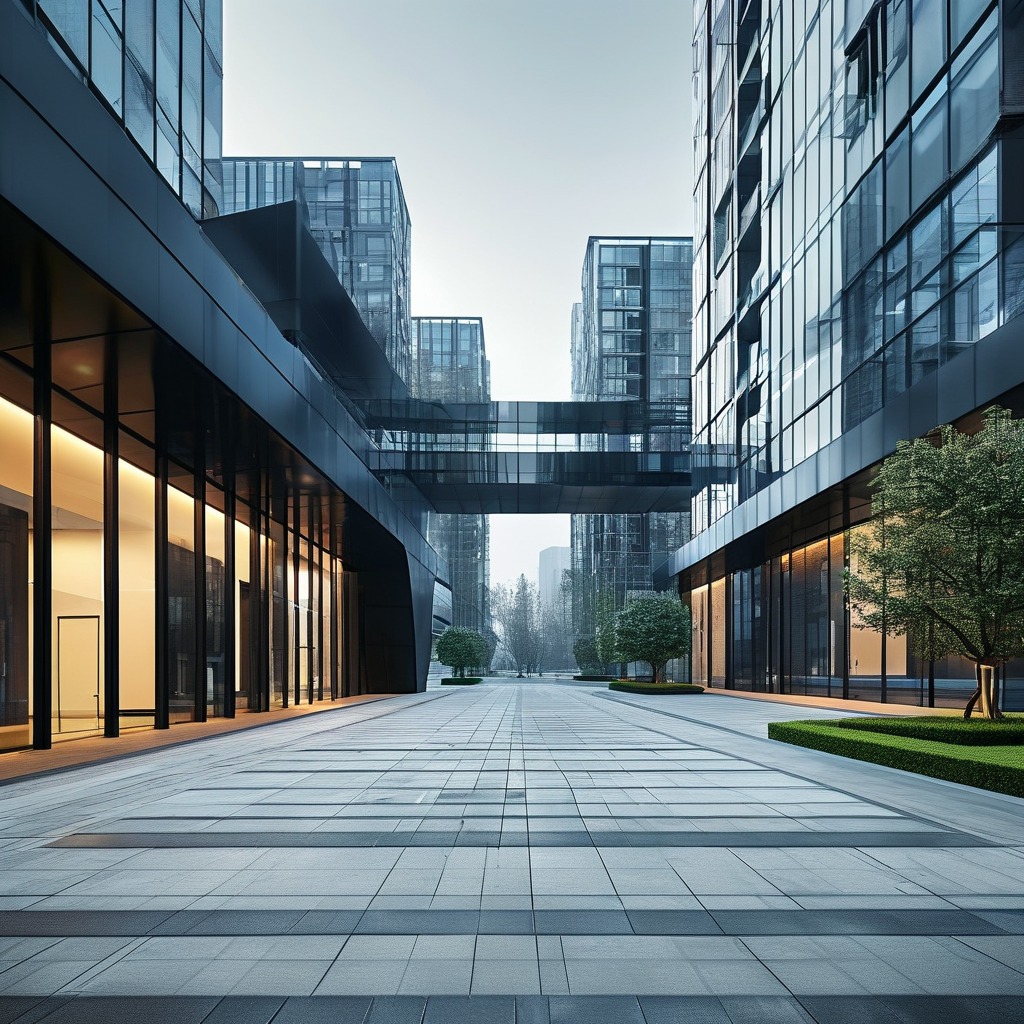
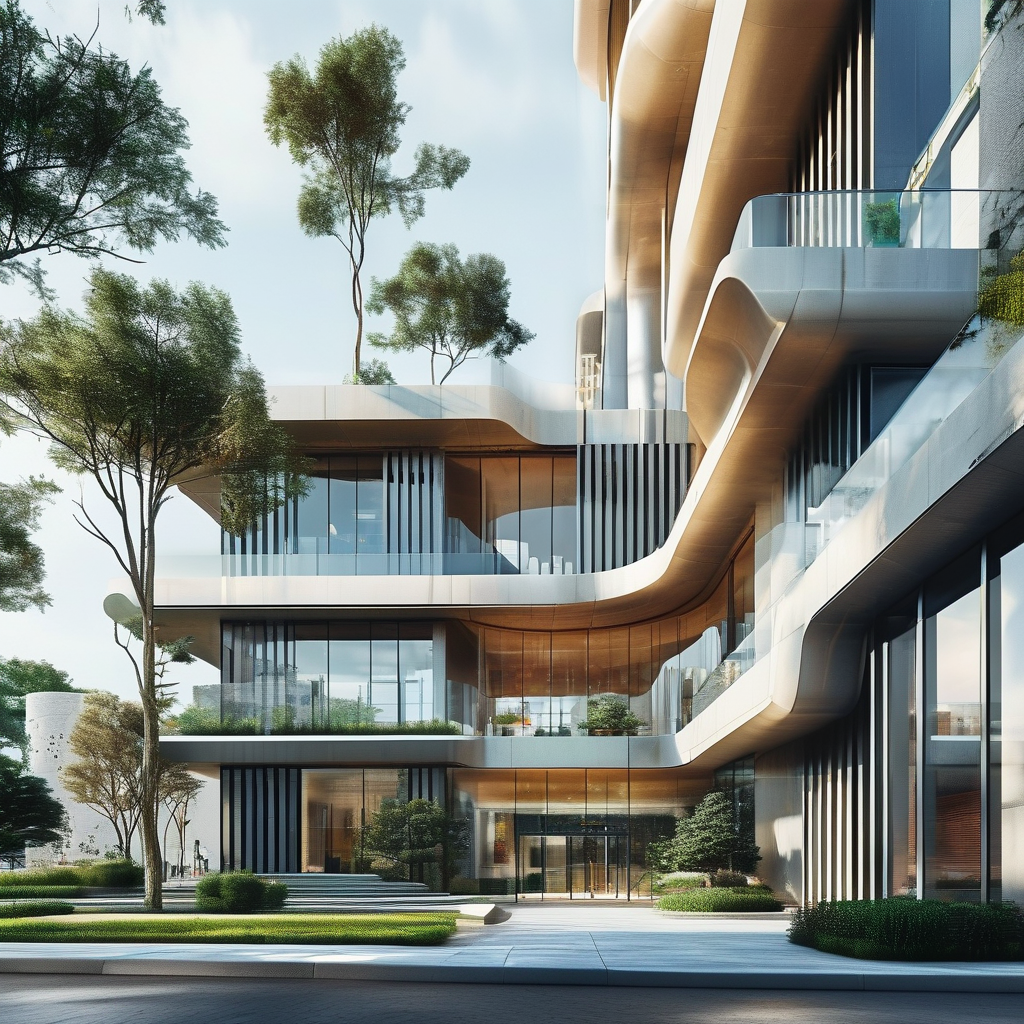
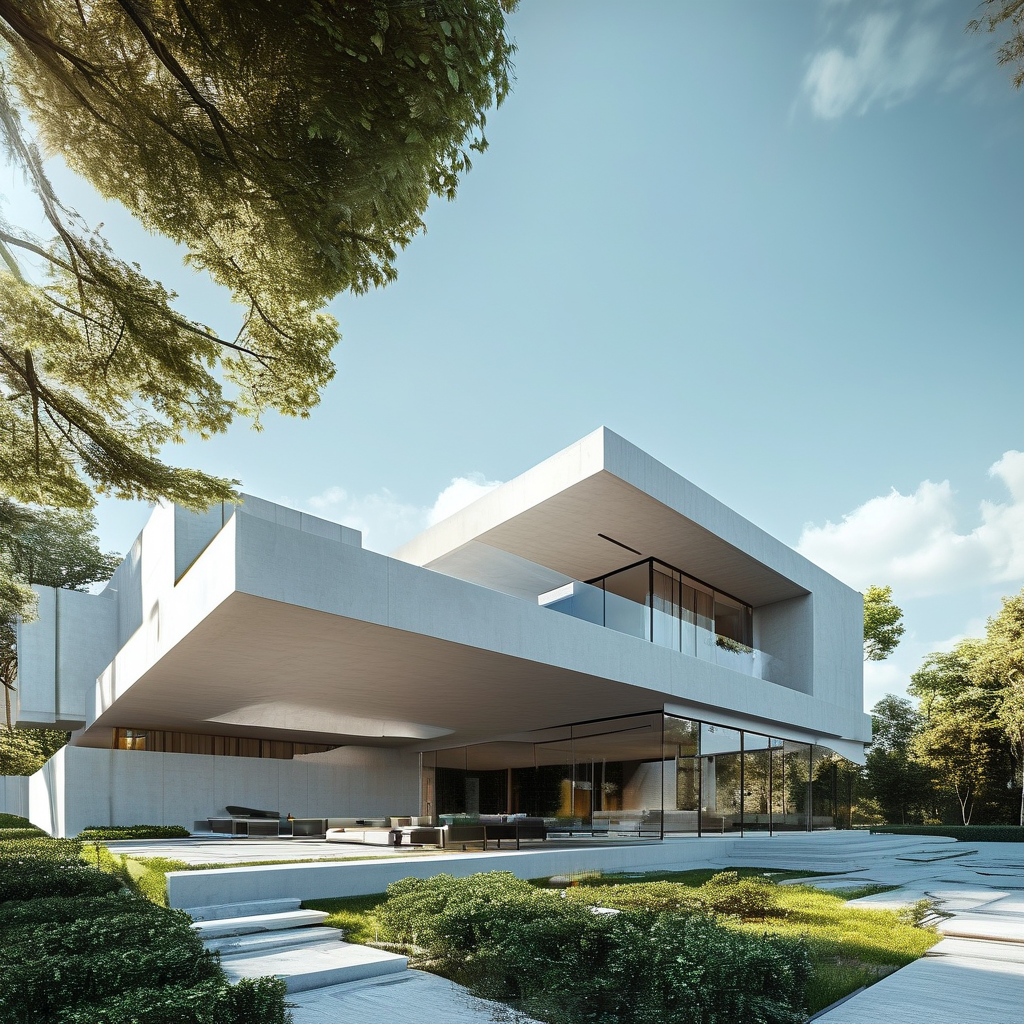
As cities around the world continue to grow, the integration of smart city infrastructure into urban design has become a critical topic of discussion. This trend not only enhances the efficiency and sustainability of cities but also transforms the way urban spaces are utilized and experienced. Smart city technologies, such as IoT sensors, data analytics, and AI, are increasingly being used to optimize traffic flow, reduce energy consumption, and improve public safety. For instance, the city of Barcelona has implemented a smart lighting system that adjusts brightness based on real-time pedestrian traffic, significantly reducing energy costs and enhancing the night-time ambiance of its streets. According to industry experts, the successful deployment of these technologies requires collaboration between urban planners, technology providers, and local communities. The focus should be on creating inclusive and user-friendly environments that benefit all residents. DEHE Architecture, with its extensive experience in urban planning and smart city design, is well-positioned to contribute to such projects, ensuring that technological advancements are seamlessly integrated into the urban fabric. Through innovative design solutions, DEHE aims to create cities that are not only smarter but also more livable and sustainable.
行业资讯
Exploring the Impact of Smart City Infrastructure on Urban Design
DEHE·每日早讯
2026-06-14