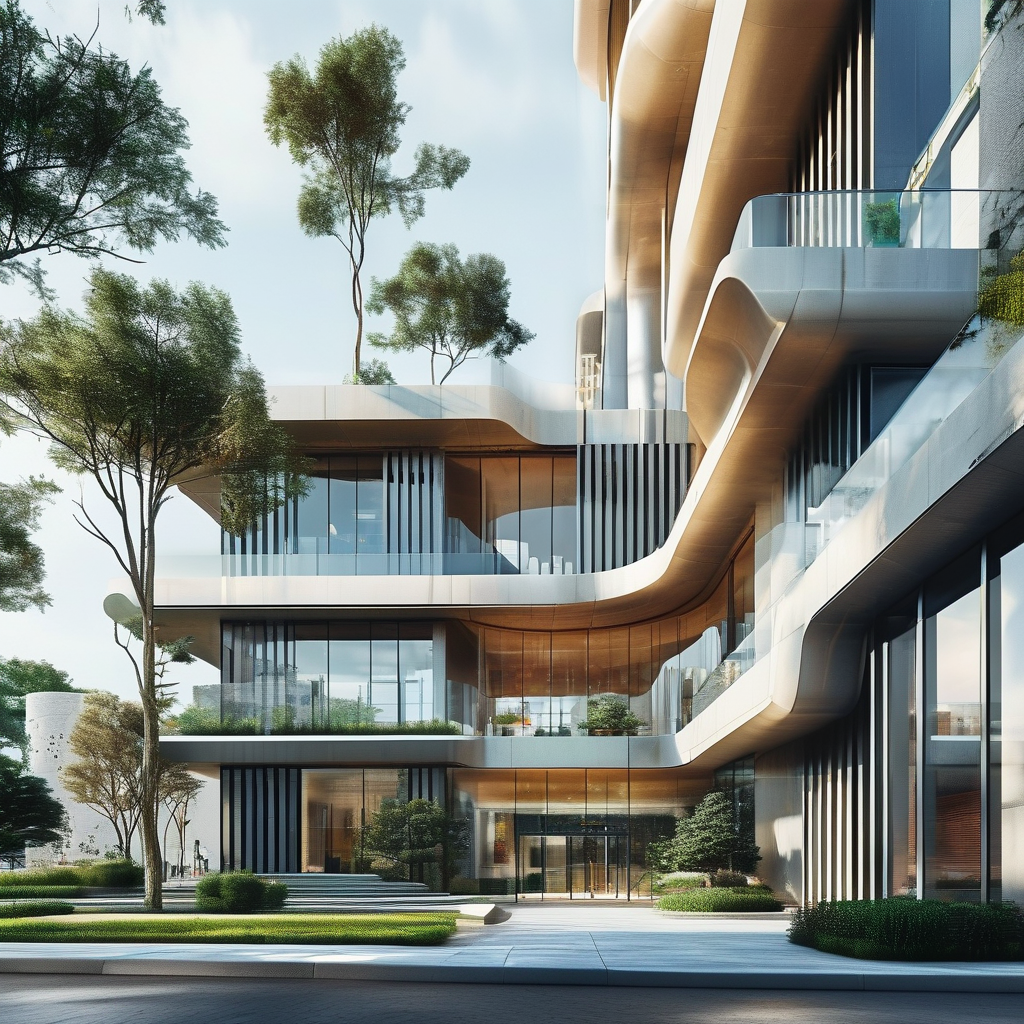
Singapore’s Ministry of National Development has released updated urban heat resilience guidelines, emphasizing integrated cooling strategies for high-density neighborhoods. The document outlines performance benchmarks for building envelope materials, street-level shading, and district-scale evaporative cooling systems—particularly in transit-adjacent developments. It encourages coordinated implementation across architecture, landscape, and infrastructure disciplines, referencing pilot projects in Tampines and Jurong Lake District. Unlike previous thermal comfort frameworks, the new guidance prioritizes measurable microclimate outcomes over prescriptive material mandates. Industry observers note its alignment with ASEAN-wide climate adaptation priorities and growing emphasis on equitable access to cooling in public space. The guidelines are non-binding but expected to inform upcoming public-sector RFPs and private development reviews starting Q3 2024. They also signal a shift toward outcome-based compliance in tropical urban design, where surface temperature reduction and pedestrian-level air flow are now quantifiable targets. Design firms working on Southeast Asian urban renewal or TOD projects may find these metrics increasingly relevant for cross-border benchmarking and interdisciplinary coordination.
行业资讯
Singapore Launches New Urban Heat Resilience Guidelines
DEHE·每日早讯
2026-06-05