AI-Assisted Spatial Health Diagnostic Tool Enters Field Testing Phase: Integrated Analysis of Light, Acoustics, and Airflow Pathways in Office and Healthcare-Wellness Environments
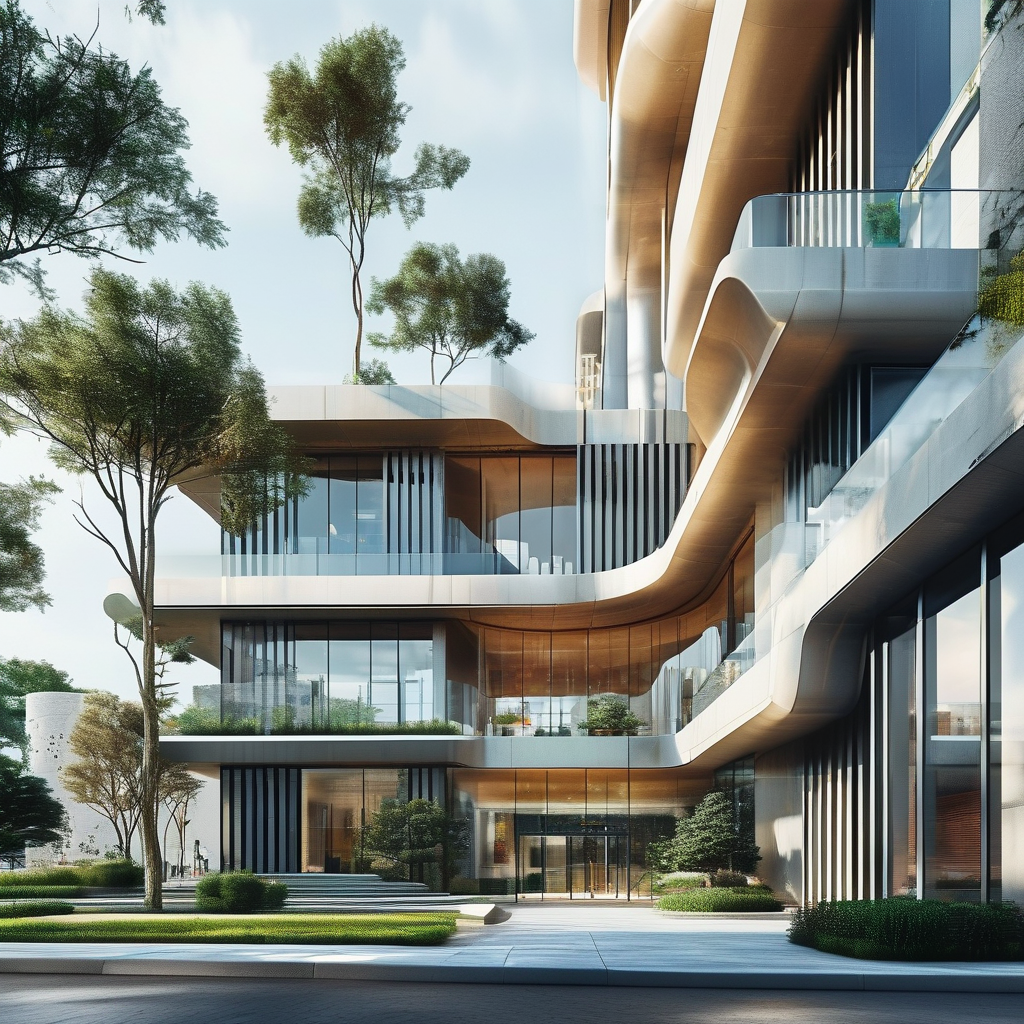
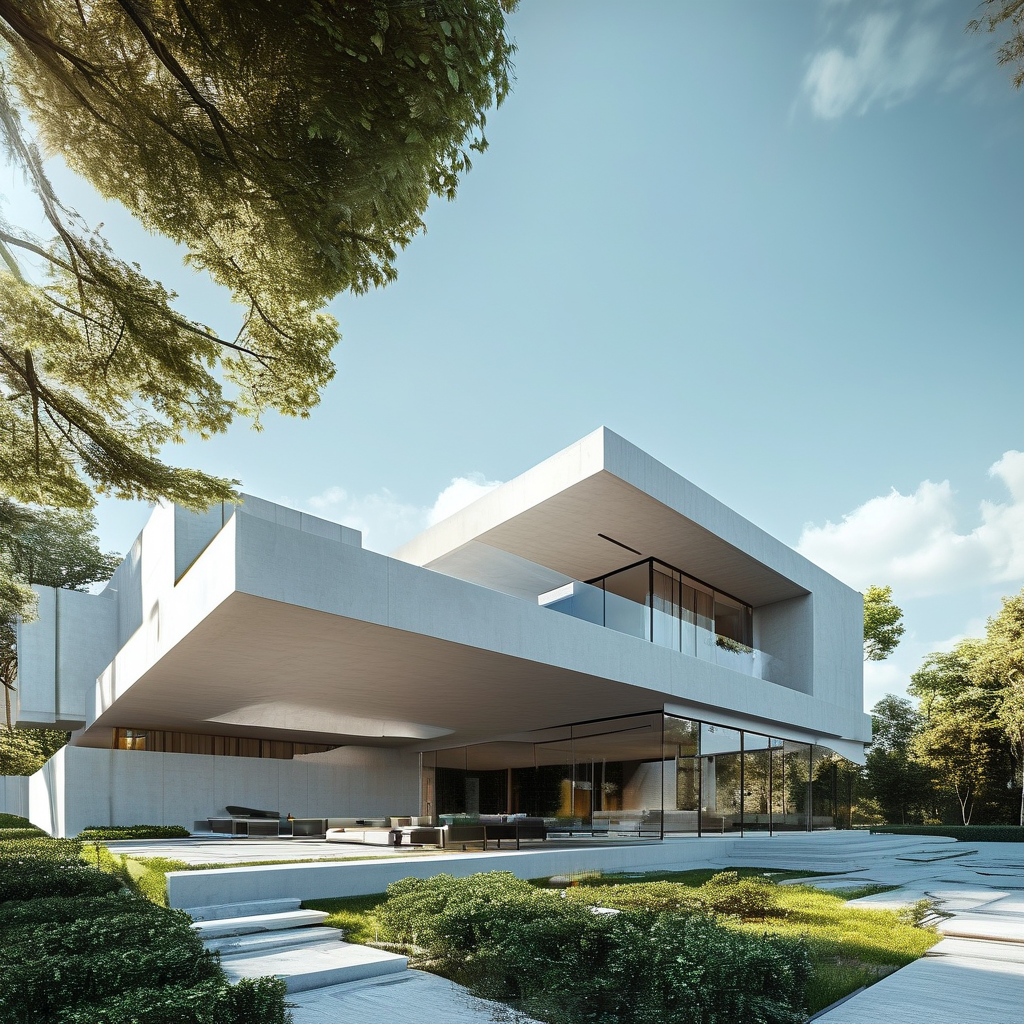
Since 2024, a joint laboratory—comprising universities, architectural design institutes, and intelligent sensing enterprises—has initiated field testing of an AI-assisted spatial health diagnostic tool across three newly constructed headquarters office buildings and one community-based healthcare-wellness center in the Yangtze River Delta region. Unlike conventional single-parameter physical environment assessments, this integrated toolkit is characterized by multi-source heterogeneous data fusion: it simultaneously captures time-series daylighting data, occupant movement heatmaps, real-time HVAC airflow velocity and pressure differentials, indoor PM2.5 and CO₂ concentration gradients, and anonymized textual feedback on subjective occupant comfort. Rather than generating binary “compliant/non-compliant” outputs, the AI model identifies overlooked “health breakpoints” within spatial configurations—for instance, identifying that although an open-plan office zone receives ample midday daylight, persistent low-frequency noise emanating from an adjacent ventilation shaft reduces actual utilization by 37%; or detecting that while the rehabilitation corridor of the healthcare-wellness center meets prescribed illuminance standards, its spectral power distribution exhibits phase lag relative to elderly occupants’ circadian regulation—prompting a recommendation to locally adjust the LED correlated color temperature (CCT) decay curve. The tool remains in the calibration and validation phase and has not yet opened commercial application programming interfaces (APIs). Nevertheless, its methodology has already sparked discussion at multiple industry technical forums: Should variables such as “human-factor response latency” and “nonlinear superposition effects across multiple physical fields” be incorporated into the core weighting framework of future healthy building evaluation systems? This trend may shift interior design practice from static parameter control toward a dynamic behavior–environment closed-loop adaptive paradigm.
行业资讯
AI-Assisted Spatial Health Diagnostic Tool Enters Pilot Testing Phase: Integrated Analysis of Lighting, Acoustics, and Airflow Pathways in Office and Healthcare-Related Environments
DEHE·每日早讯
2026-04-25