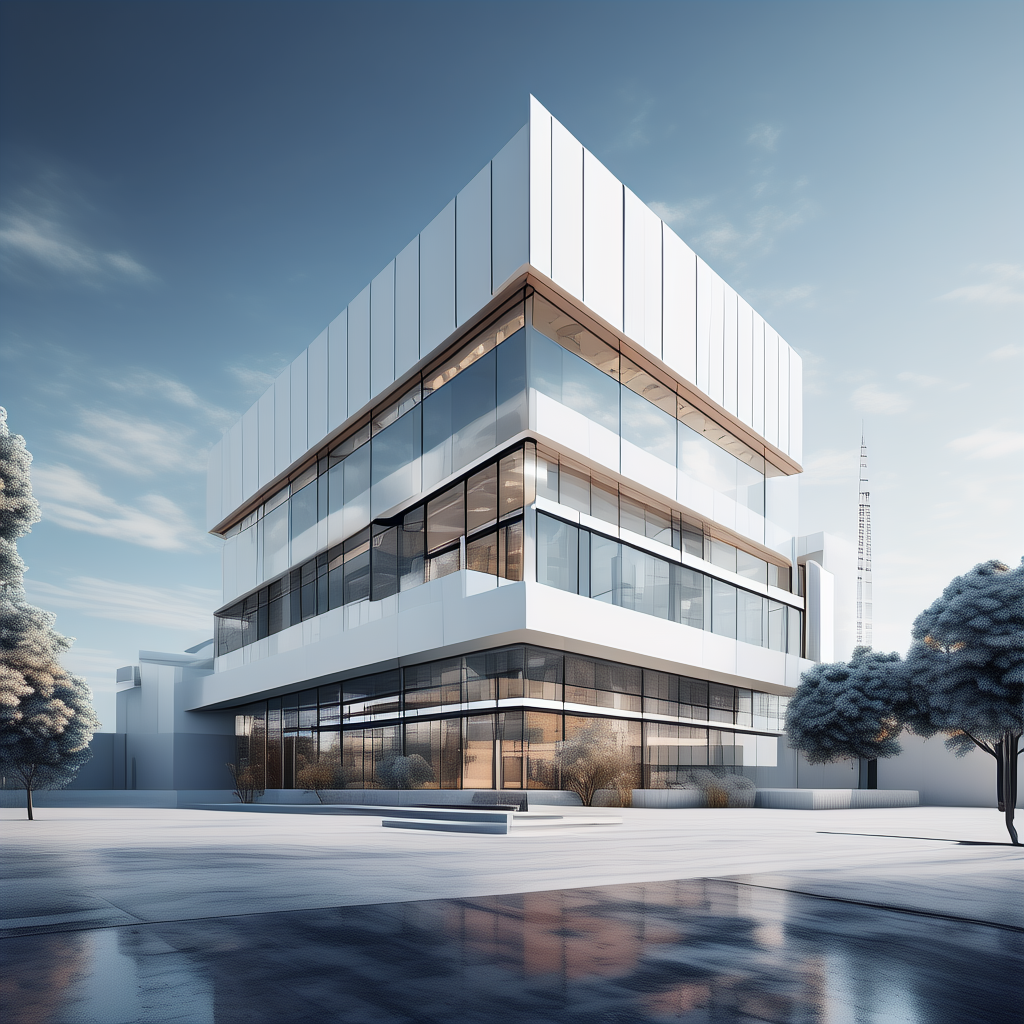
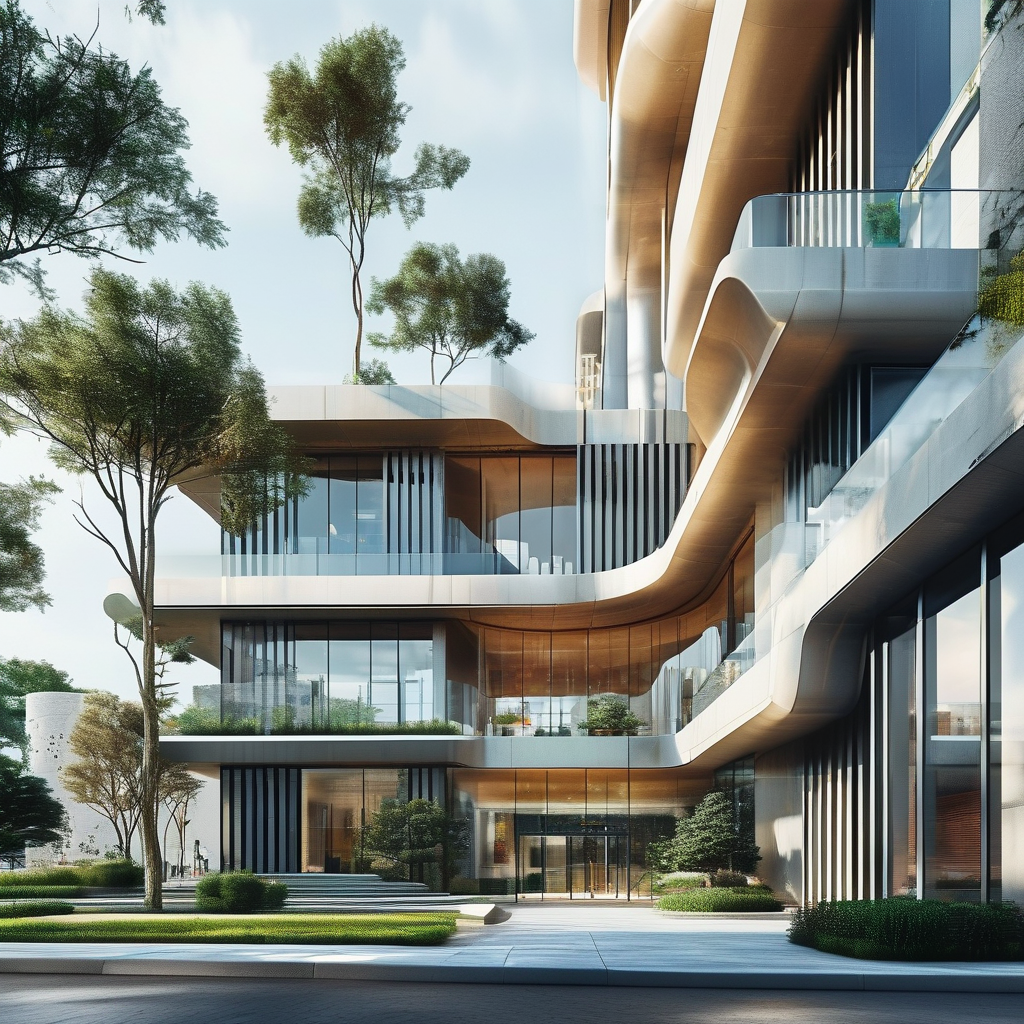
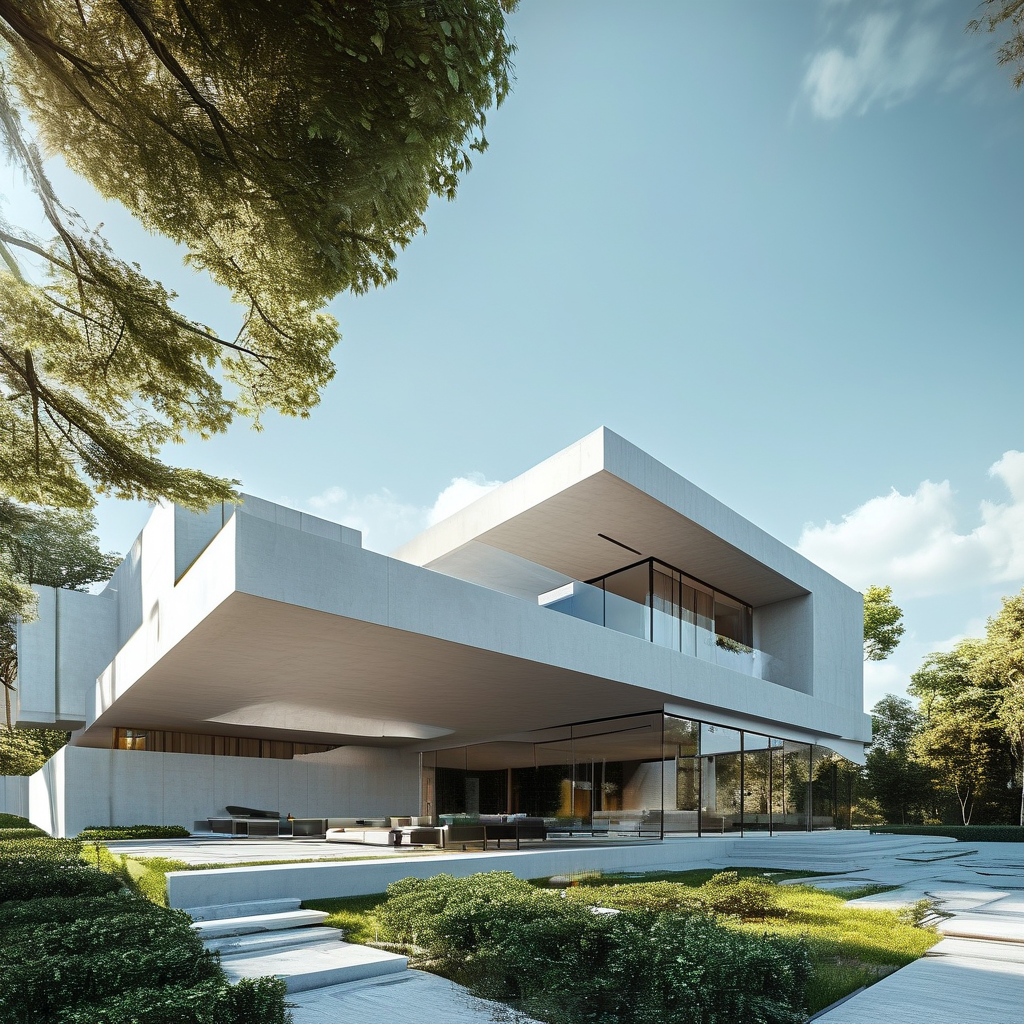
AI-Driven Generative Urban Morphology Simulation on the Rise: Shifting from Parametric Building-Scale Design to District-Level Spatial Performance Previsualization
Globally, a new generation of urban design support tools is moving beyond the conventional overlay logic of GIS and BIM, embracing a generative AI–centric spatial reasoning paradigm. Unlike earlier AI applications focused narrowly on building façade or component optimization, cutting-edge practice now operates at the district scale: by training on vast historical built-environment datasets—including street cross-sections, land-use mix indices, pedestrian permeability metrics, solar shadow sequences, and even spatial density distributions of small-scale commercial establishments—these models can rapidly generate hundreds of morphologically coherent, contextually grounded urban form alternatives under given constraints (e.g., floor-area ratio caps, transit node connectivity, ecological corridor alignments). Concurrently, they produce derivative performance indicators such as accessibility heatmaps, baseline microclimate simulation inputs, and infrastructure load forecasts. Several European TOD-integrated development projects have already embedded such tools into their early conceptual phases to rapidly compare public space service radius decay curves across varying development intensities; meanwhile, leading Chinese planning institutes are piloting similar workflows in historic urban renewal contexts, specifically assessing the feasibility of preserving natural ventilation pathways under high-density conditions. Industry experts emphasize that the core value of this technology lies not in replacing professional judgment, but in rendering long-intuitive, experience-based “spatial possibilities” explicit, quantitatively comparable, and fully traceable. Key challenges remain, however—particularly regarding local adaptability of training data, depth of integration of human-scale behavioral logics, and mitigation of algorithmic bias that may lead to morphological homogenization.
行业资讯
The Rise of AI-Driven Generative Urban Morphology Simulation: From Parametric Building-Scale Design to District-Level Spatial Performance Previsualization
DEHE·每日早讯
2026-04-20