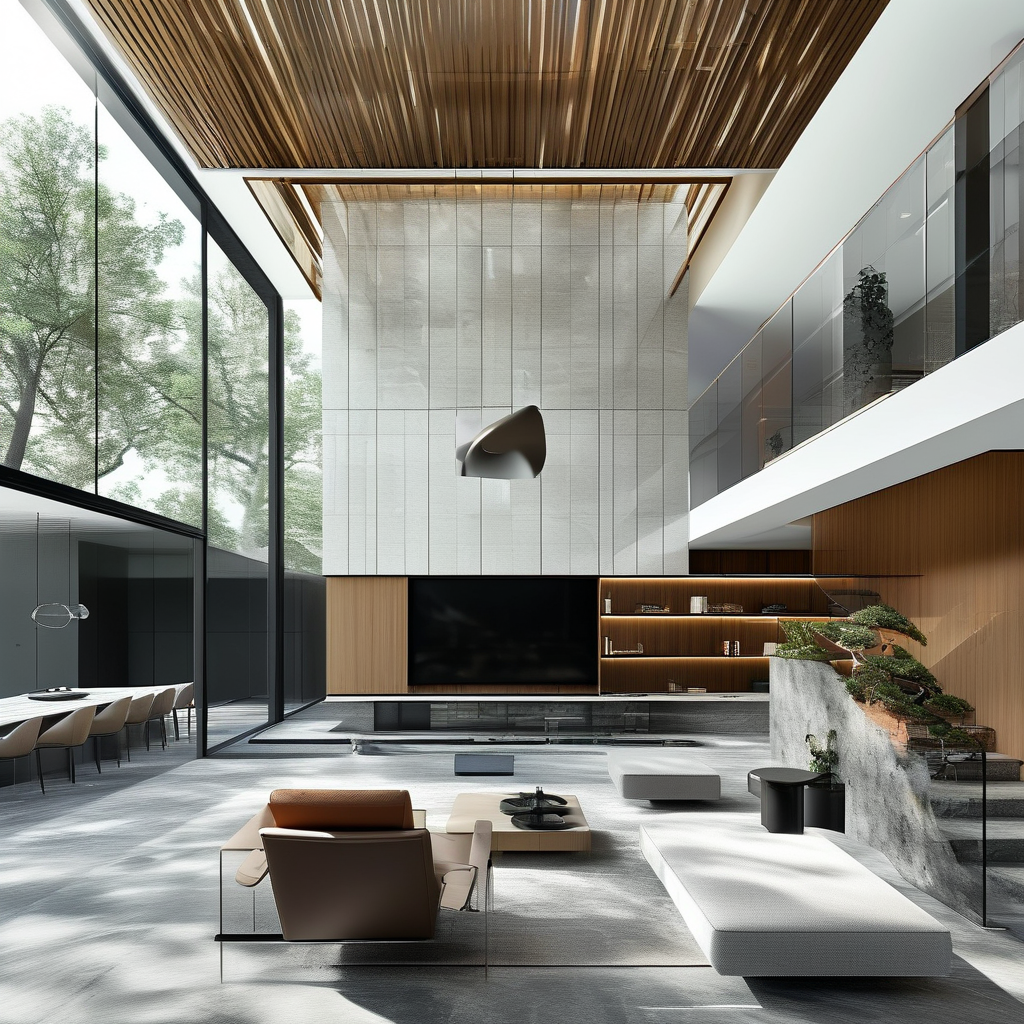
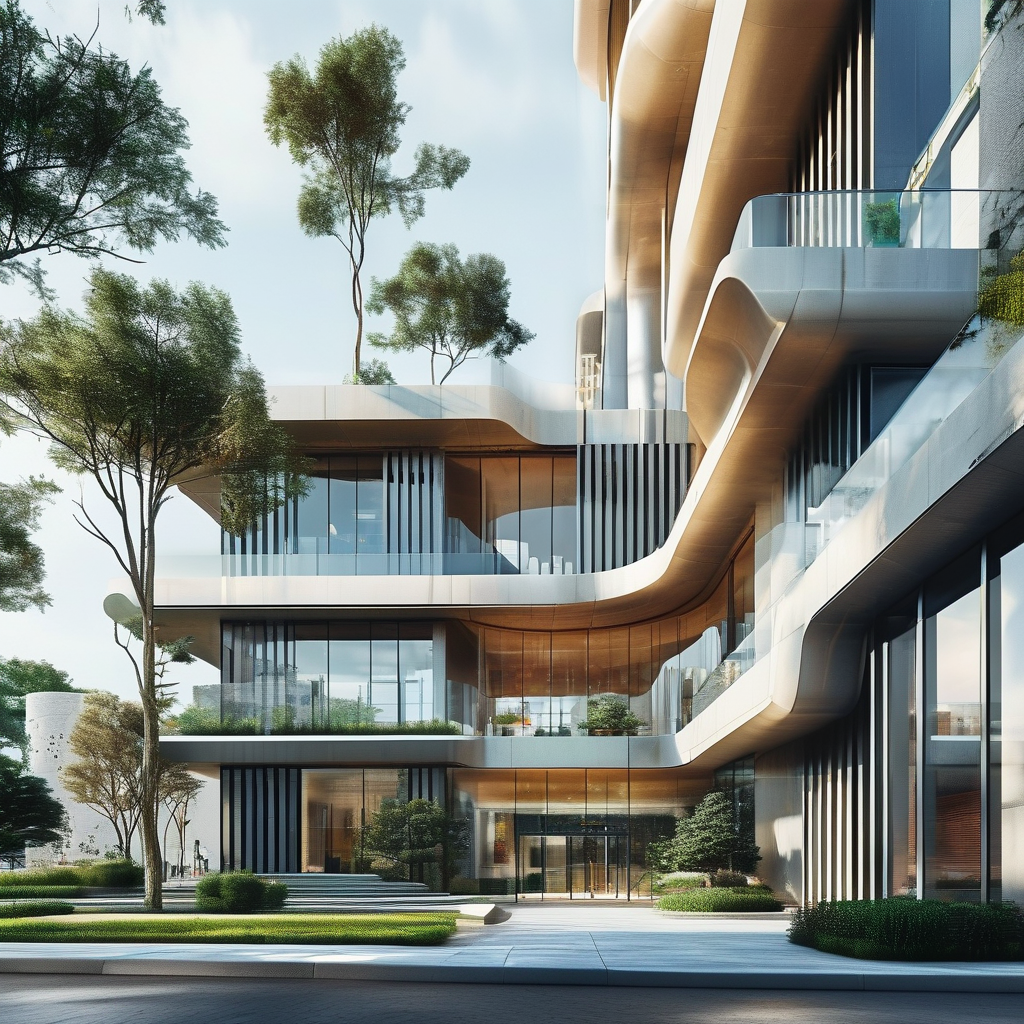
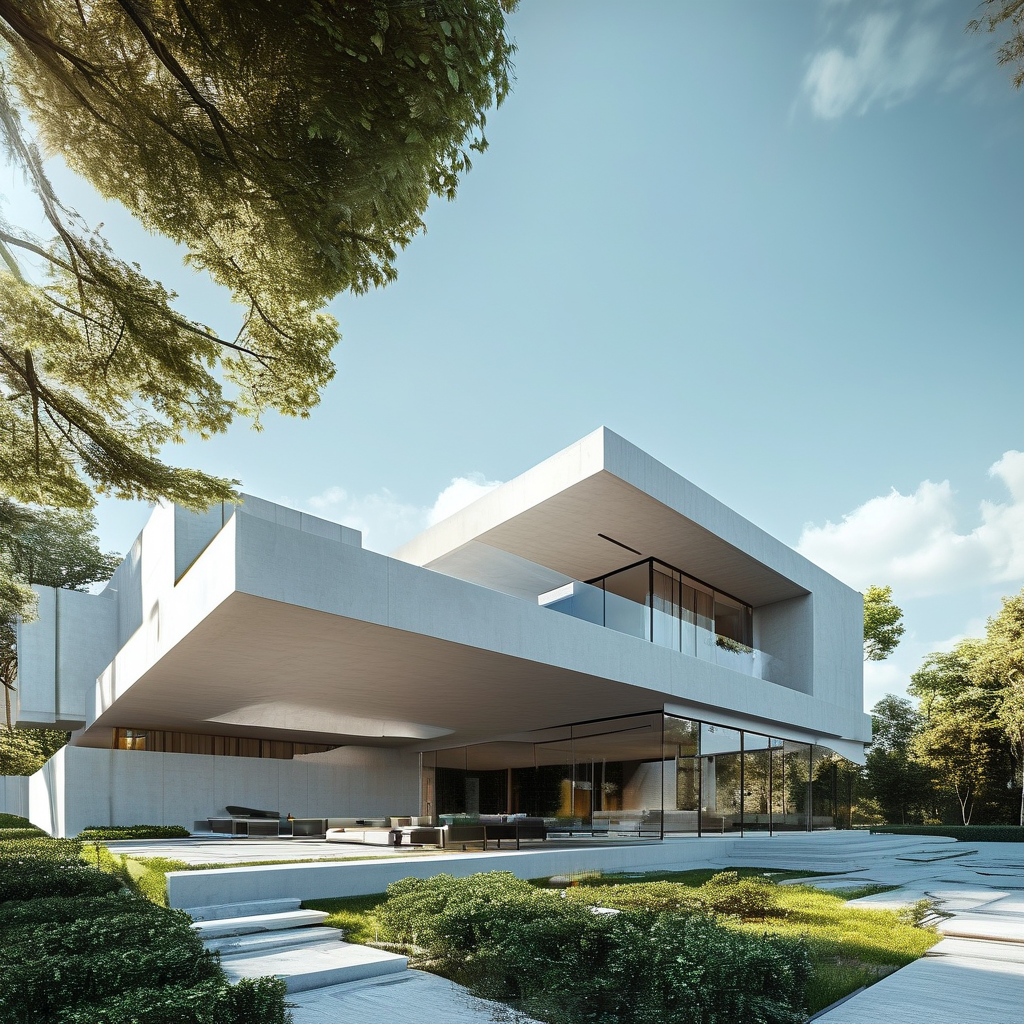
The integration of digital and artificial intelligence (AI) tools into architectural practice is revolutionizing the way architects design and build. These technologies are not only streamlining the design process but also enhancing creativity and efficiency. For example, AI can analyze vast amounts of data to optimize building performance, simulate complex interactions between structures and their environments, and even generate design proposals based on user preferences and project constraints.
In the realm of architectural visualization, tools like 3D modeling software and virtual reality (VR) have become indispensable. They allow clients and stakeholders to experience designs in a more immersive and intuitive way, leading to better communication and informed decision-making. DEHE Architecture has been at the forefront of adopting these technologies, using advanced 3D modeling and VR to provide clients with detailed previews of their projects before construction begins.
Moreover, digital platforms are facilitating collaboration among diverse teams, including architects, engineers, and contractors. Cloud-based solutions enable real-time updates and feedback, reducing the likelihood of miscommunication and delays. For instance, Building Information Modeling (BIM) systems are widely used in the industry to manage and coordinate all aspects of a construction project, from initial design to completion and maintenance.
The use of AI and digital tools also supports sustainable design practices. By simulating energy usage and environmental impacts, architects can make informed choices that reduce the carbon footprint of their buildings. This is particularly relevant as the industry faces increasing pressure to adopt more sustainable methods. DEHE Architecture is committed to leveraging these technologies to create designs that are both innovative and environmentally responsible.
行业资讯
Integrating Digital and AI-Assisted Tools in Architectural Practice: Enhancing Creativity and Effici
DEHE·每日早讯
2026-10-04