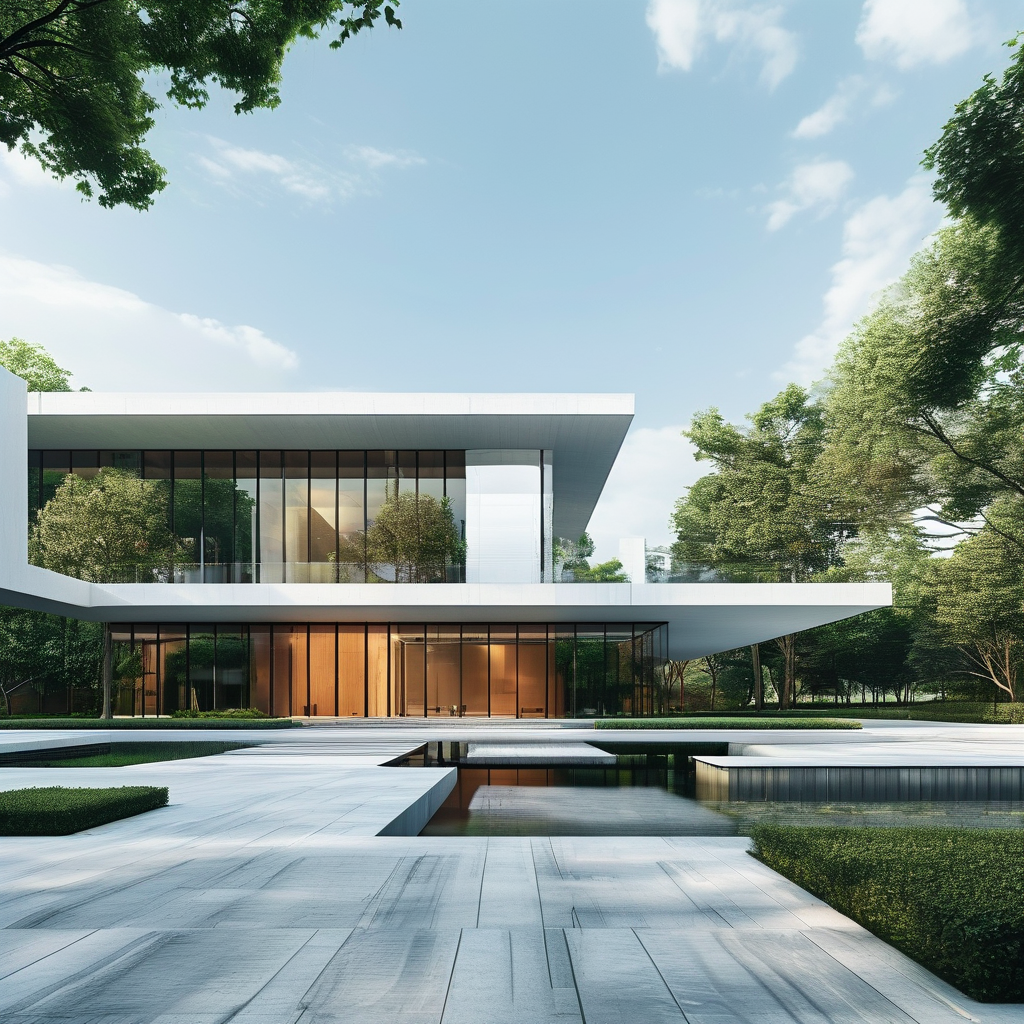
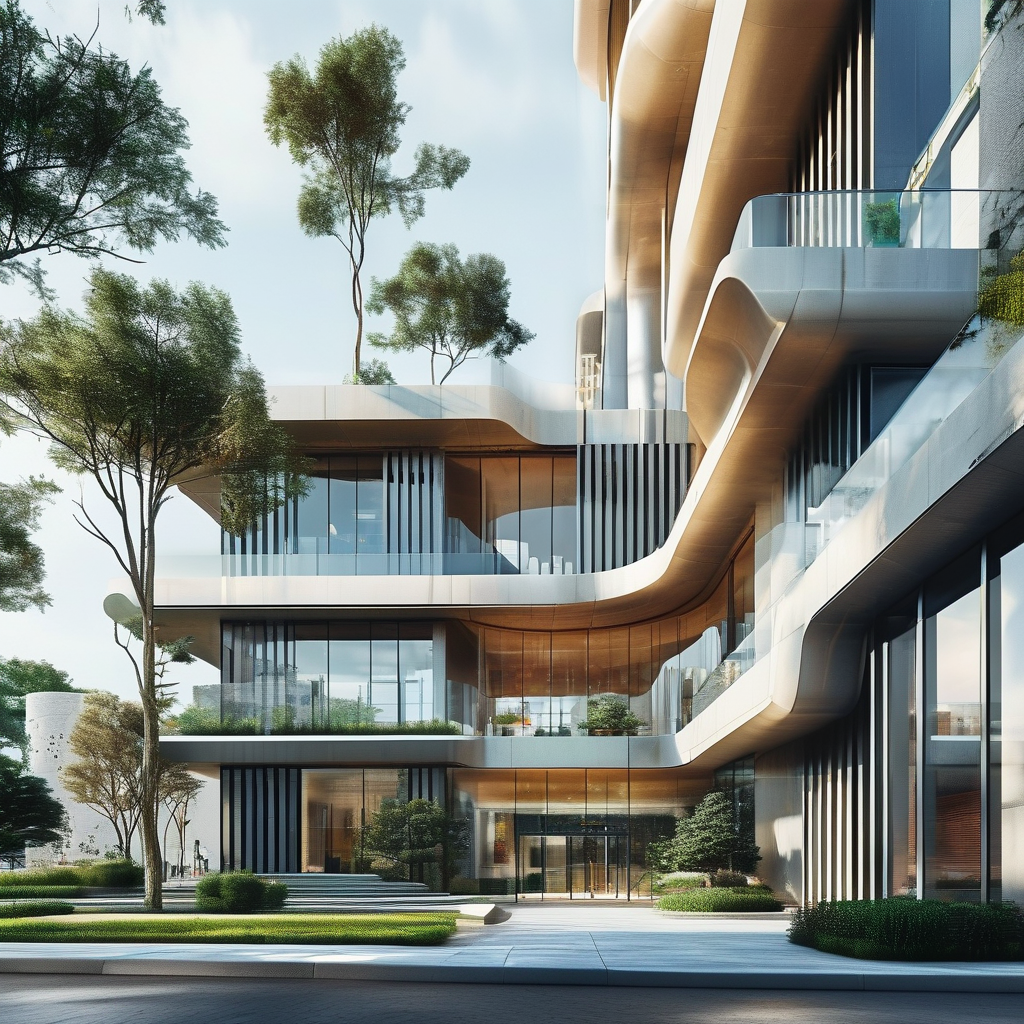
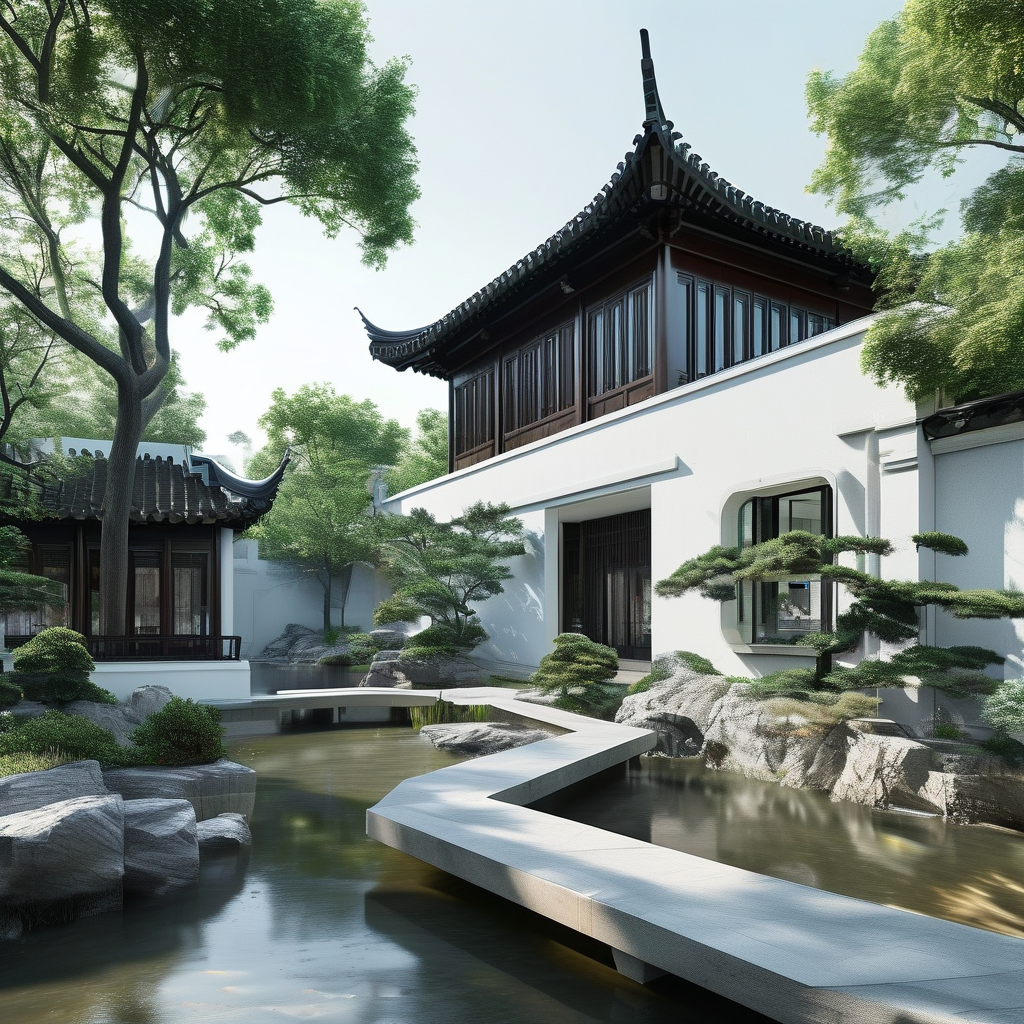
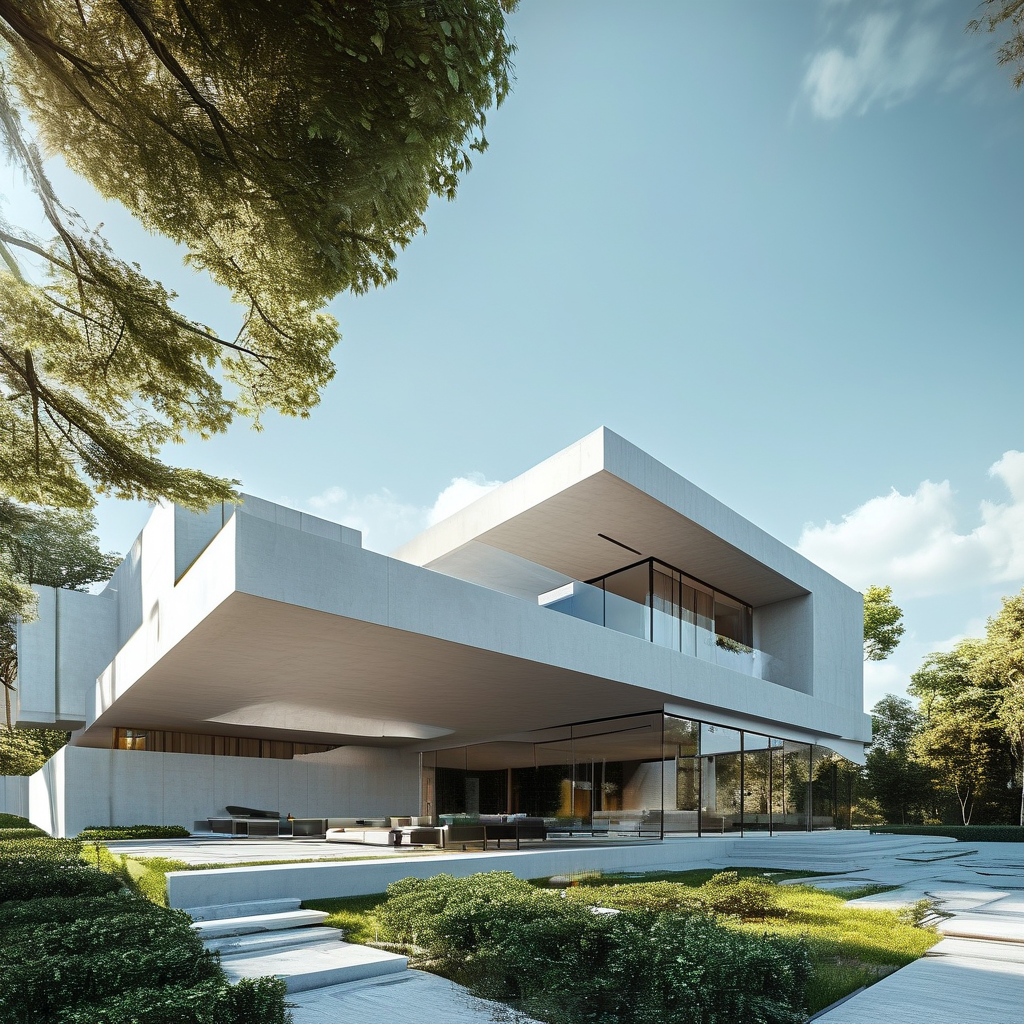
In the 21st century, the approach to heritage preservation is increasingly focusing on adaptive reuse, a strategy that transforms historic buildings into functional spaces that meet modern needs without losing their cultural significance. This methodology is particularly relevant to DEHE Architecture's portfolio, which includes several projects where old structures have been repurposed. For example, the conversion of an abandoned textile factory in Shanghai into a vibrant cultural and commercial hub has been a testament to the firm's commitment to sustainable urban development. Such projects not only preserve the architectural heritage but also contribute to the economic vitality of the area by creating jobs and attracting visitors. Moreover, adaptive reuse can significantly reduce the environmental impact associated with new construction, as it minimizes waste and the consumption of new materials. Government policies and international guidelines are increasingly supportive of these practices, recognizing their role in fostering a sense of community and identity. As urban spaces continue to evolve, the challenge for architects is to find innovative ways to integrate historic elements with contemporary design, ensuring that the past remains a living part of the present.
行业资讯
Heritage Preservation in the 21st Century: Adaptive Reuse Practices
DEHE·每日早讯
2026-09-28