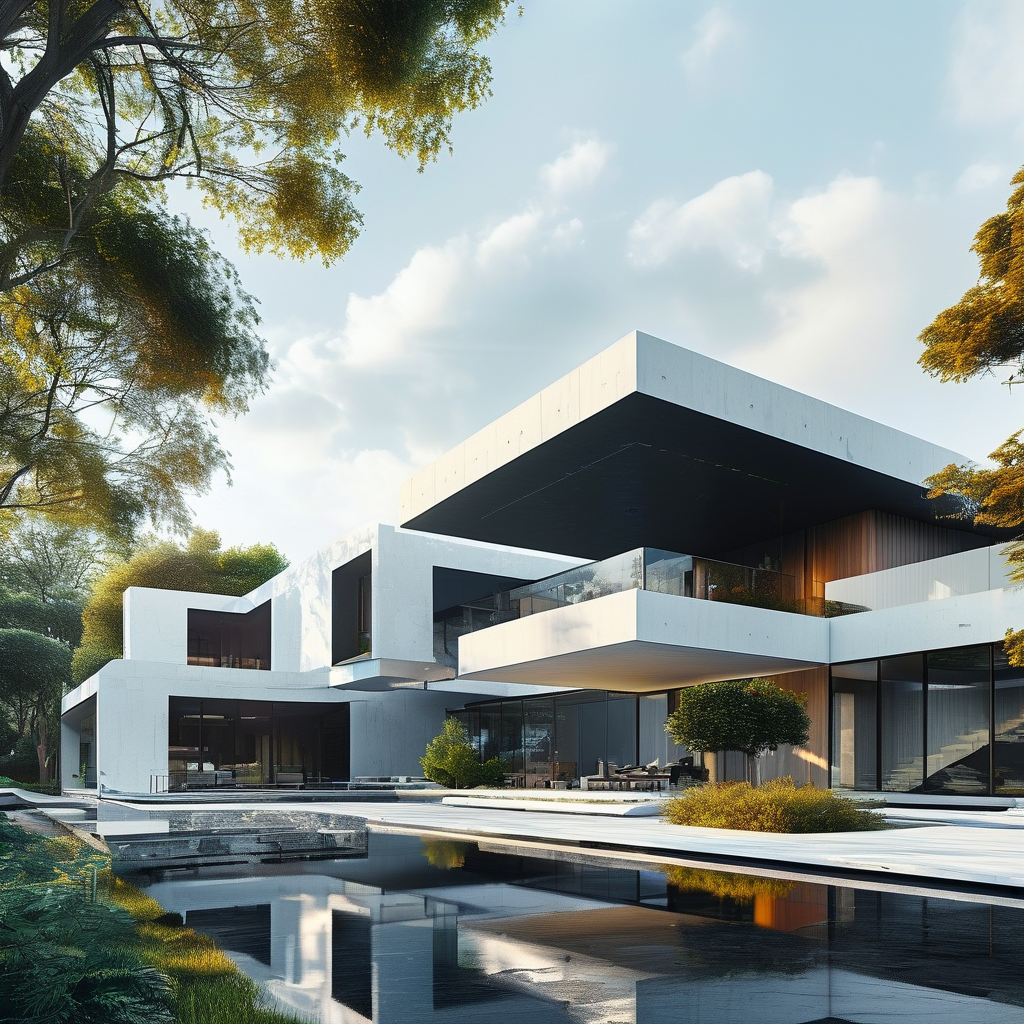
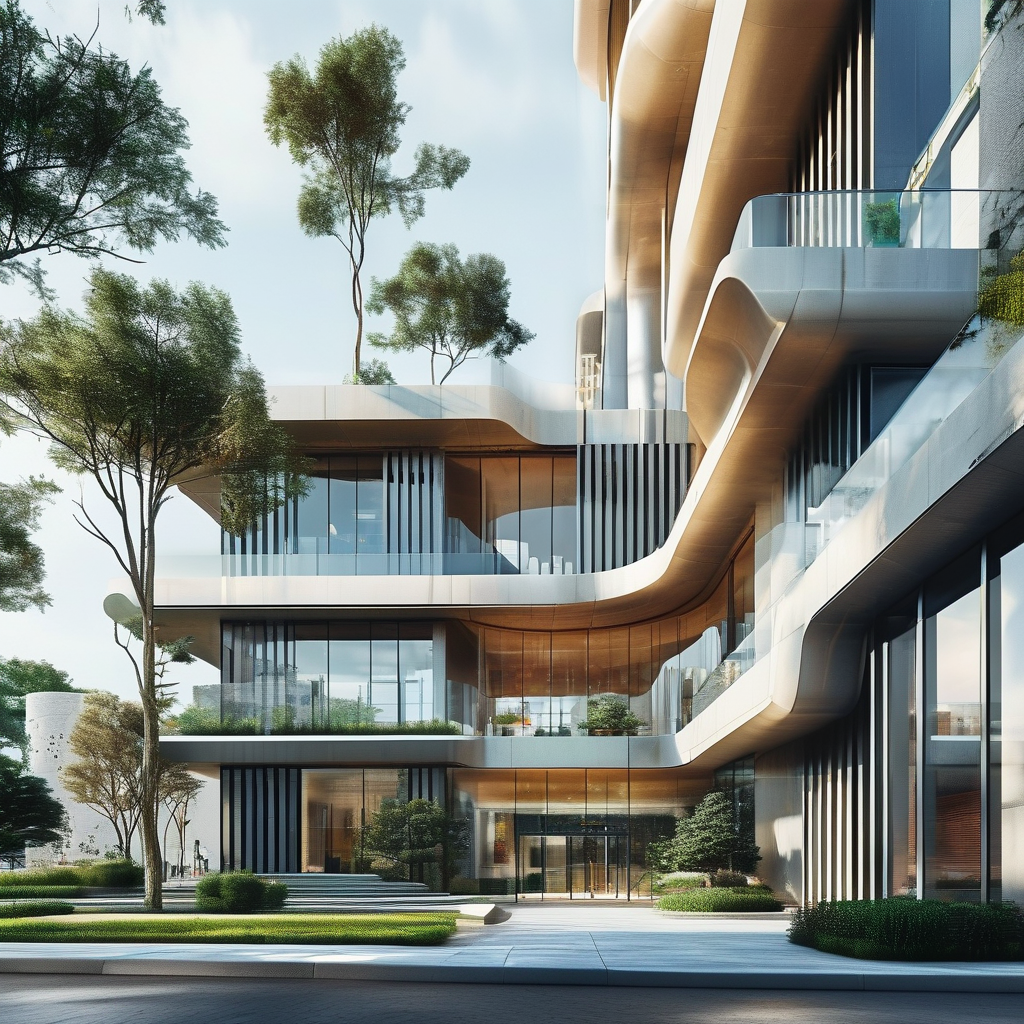
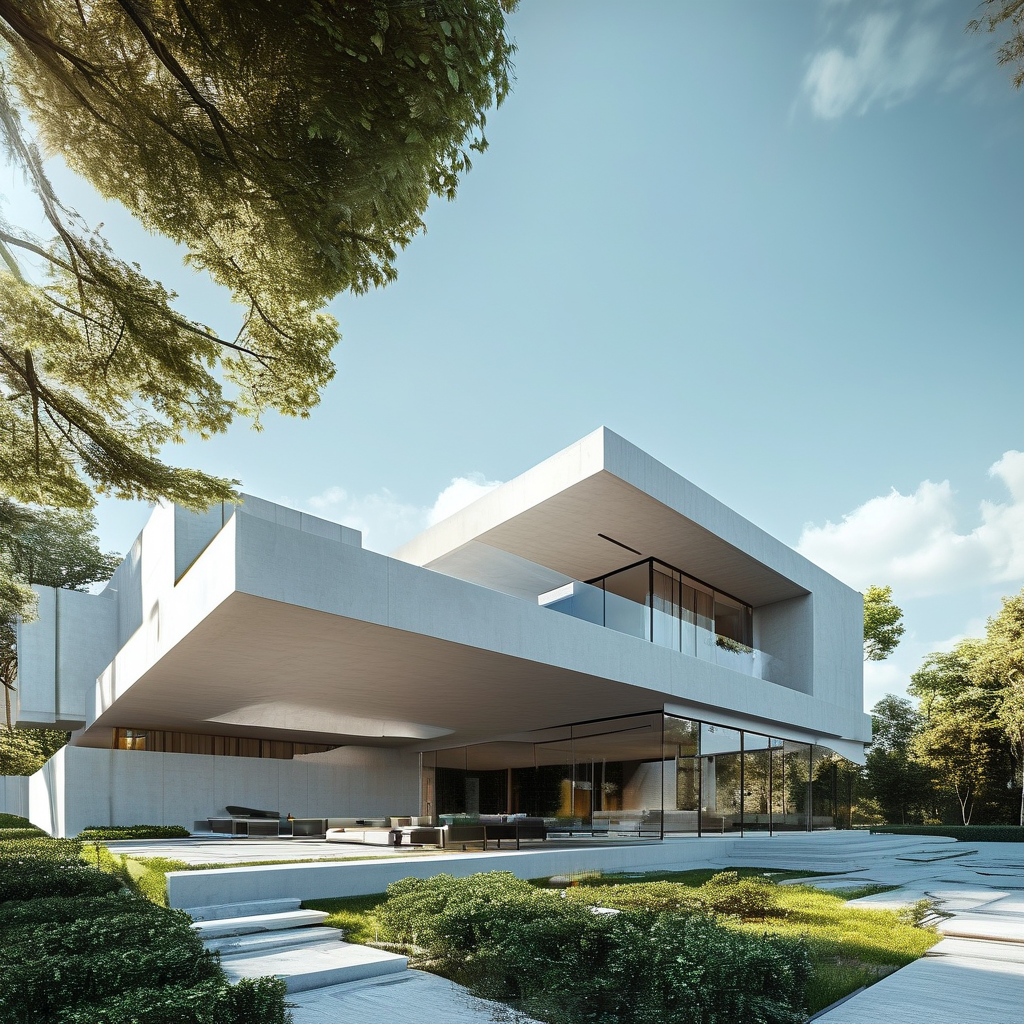
The integration of Artificial Intelligence (AI) into architectural design processes is marking a significant shift in how buildings and urban spaces are conceptualized and executed. According to industry discussions, AI is not only enhancing the speed and accuracy of design tasks but also pushing the boundaries of what is possible in terms of creativity and sustainability. Design firms like DEHE Architecture are exploring how AI can optimize the early stages of design, from site analysis to conceptual design, by processing vast amounts of data and generating multiple design options based on specific criteria. This technology can also simulate user experiences and environmental impacts, allowing architects to make informed decisions that align with client needs and regulatory standards. AI's ability to handle complex calculations and predict long-term maintenance and operational costs is further revolutionizing the field, making it a valuable tool for both public and private sector projects. However, the adoption of AI in architecture raises important questions about the role of human designers and the ethical considerations of using such technology. As the industry continues to evolve, it is crucial to balance technological advancement with the creative and intuitive aspects of design that only humans can provide.
行业资讯
AI in Architectural Design: A Paradigm Shift in Creativity and Efficiency
DEHE·每日早讯
2026-09-28