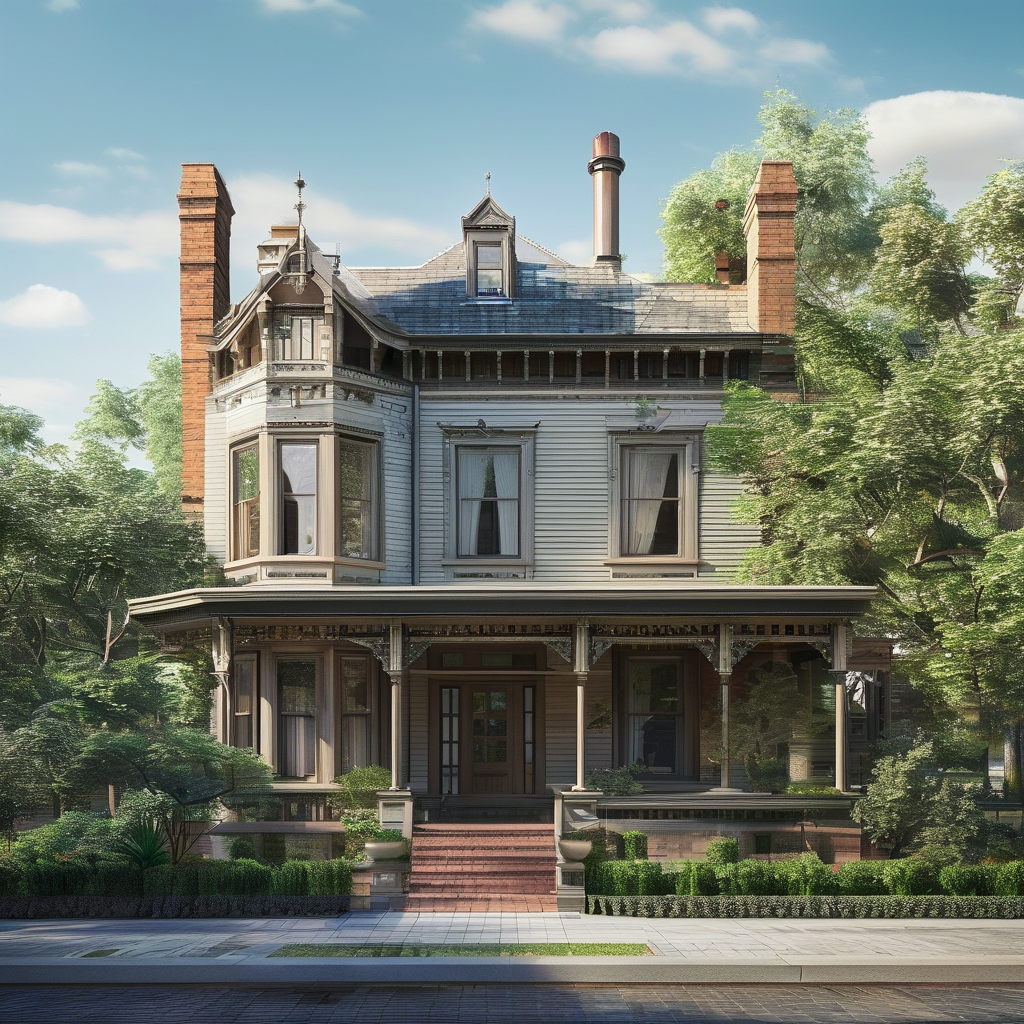
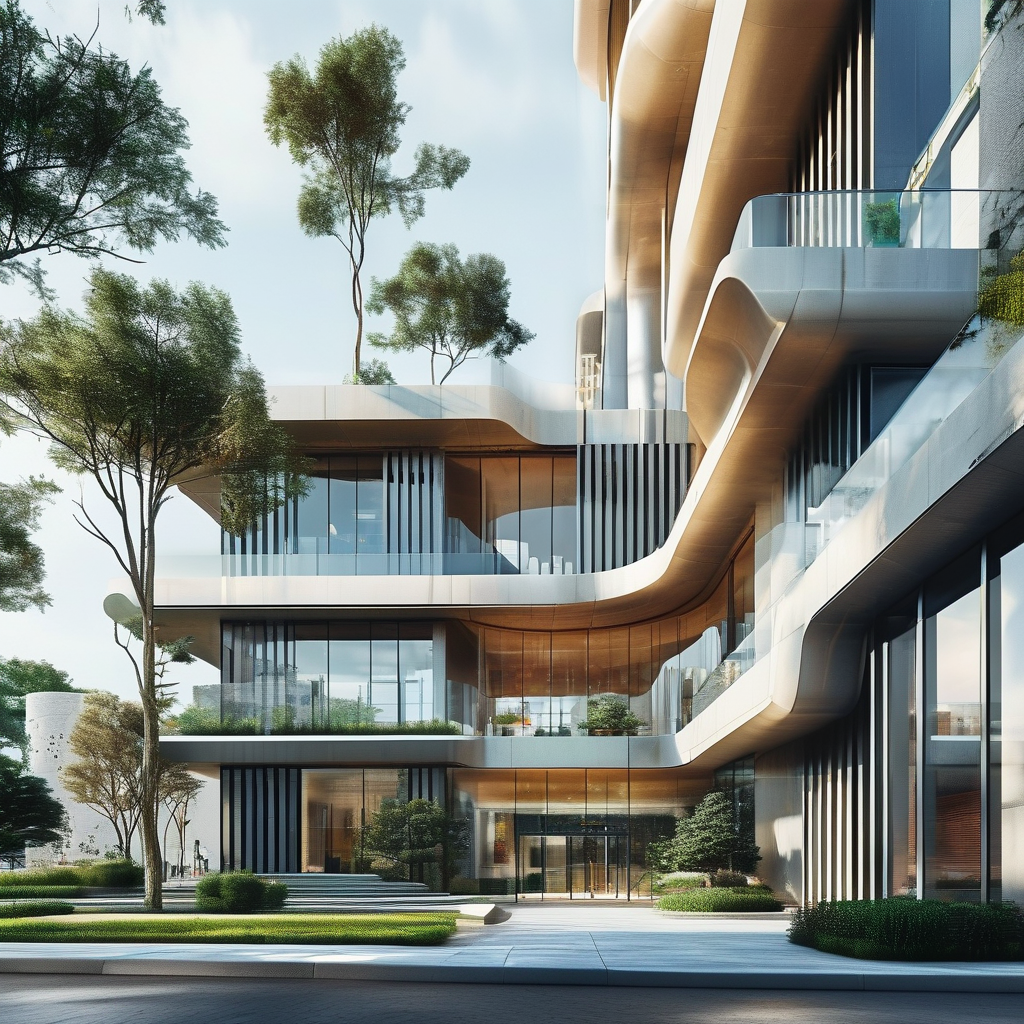
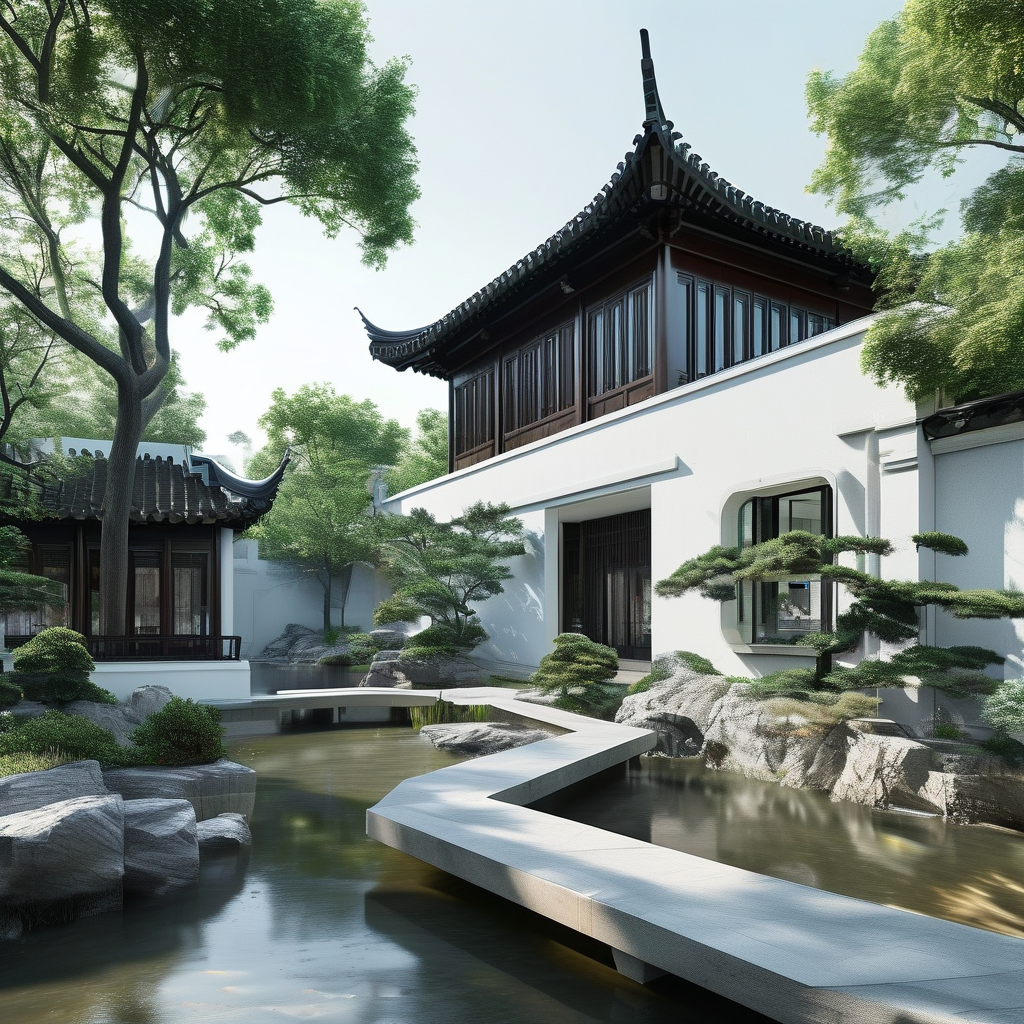
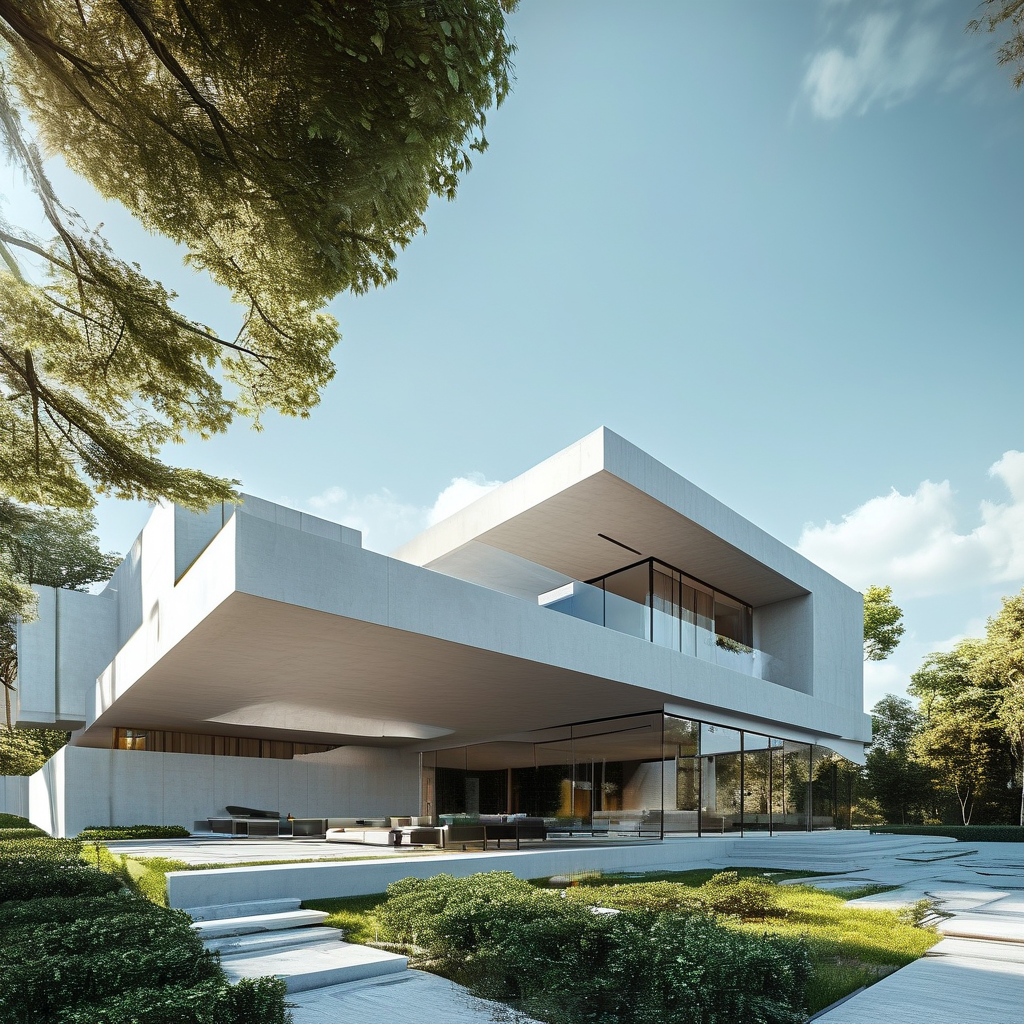
Adaptive reuse, a practice where old buildings are repurposed for new uses, is gaining momentum as a sustainable and culturally enriching approach to urban development. This method not only preserves historical structures but also reduces the environmental impact of new construction by reusing existing materials and infrastructure. In the context of DEHE Architecture's expertise, adaptive reuse projects present a unique challenge and opportunity to blend historical aesthetics with modern functional needs. Recent examples include the transformation of a 19th-century warehouse into a vibrant arts and culture center, and the conversion of an old industrial site into a mixed-use development featuring residential, commercial, and recreational spaces. These projects require a deep understanding of the historical significance of the buildings, as well as innovative solutions to meet contemporary standards and regulations. The process involves careful restoration and selective modernization, ensuring that the original character of the structure is maintained while enhancing its usability. Adaptive reuse is also a key strategy in urban renewal, helping to revitalize neighborhoods and provide new amenities without the disruption of large-scale new construction. As cities around the world seek to preserve their cultural heritage while adapting to modern demands, adaptive reuse is likely to play an increasingly important role in the architectural and urban planning sectors.
行业资讯
Heritage Preservation through Adaptive Reuse: Transforming Old Structures into Modern Spaces
DEHE·每日早讯
2026-09-26