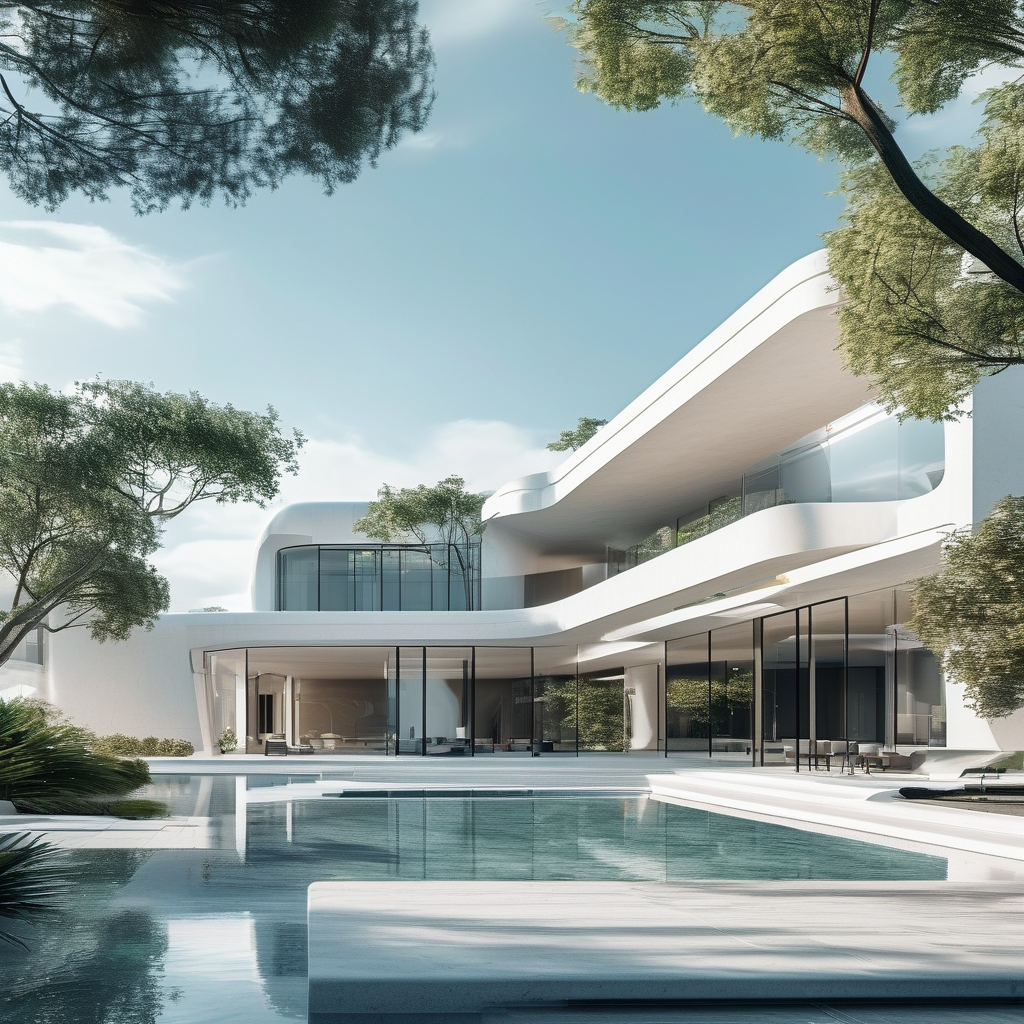
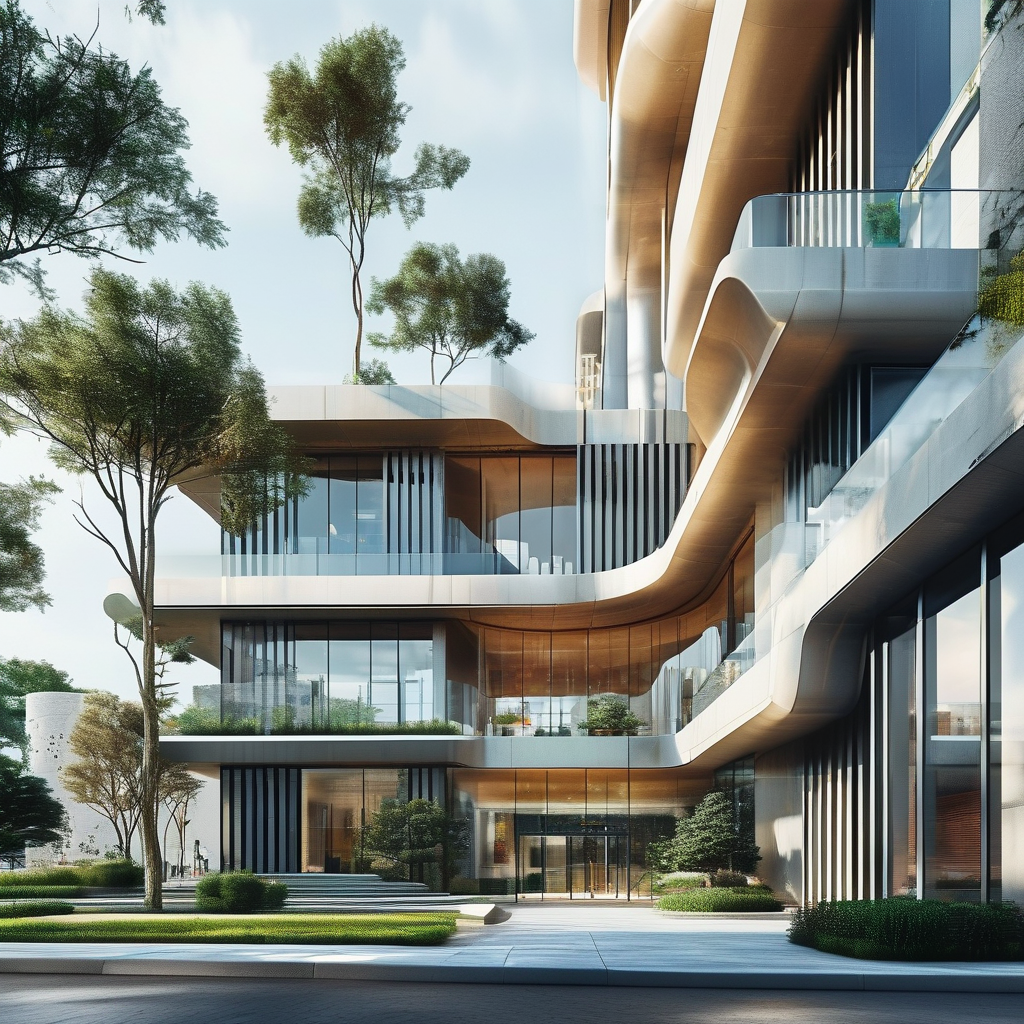
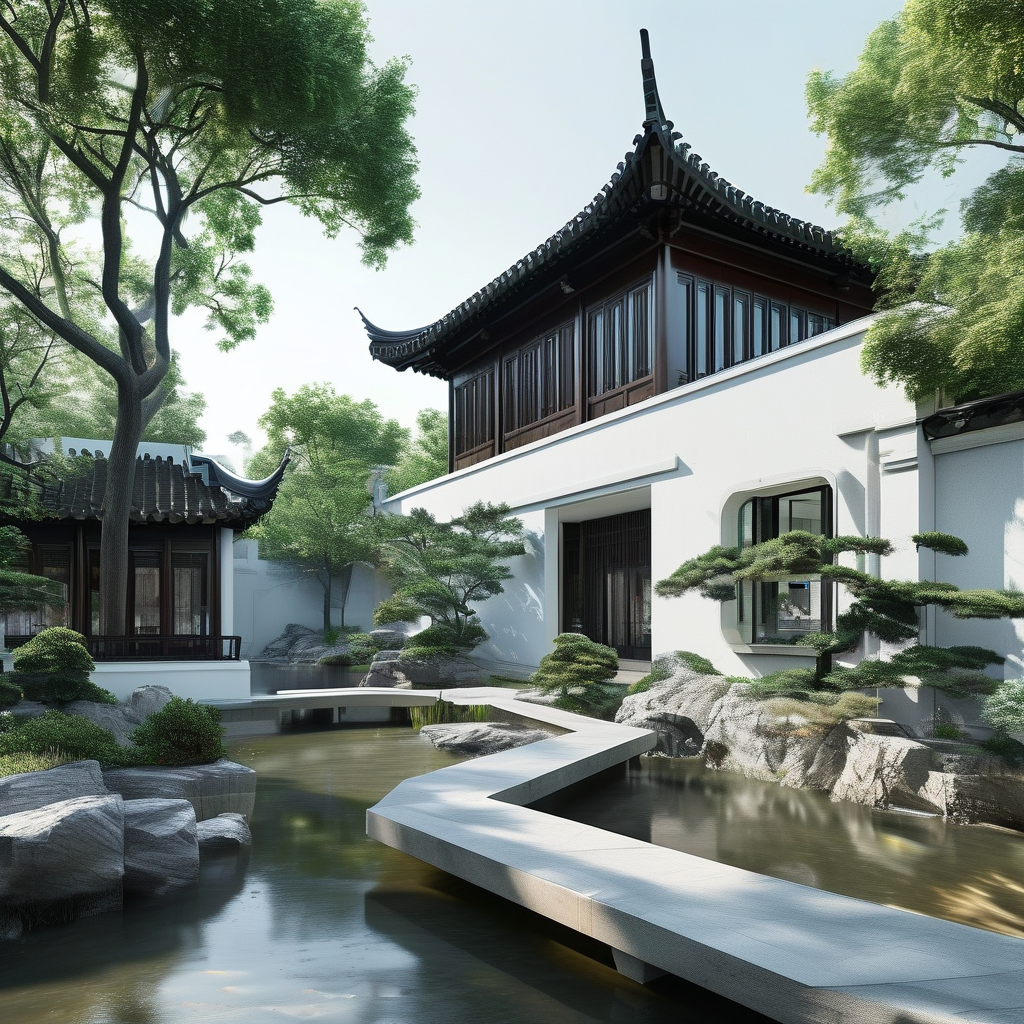
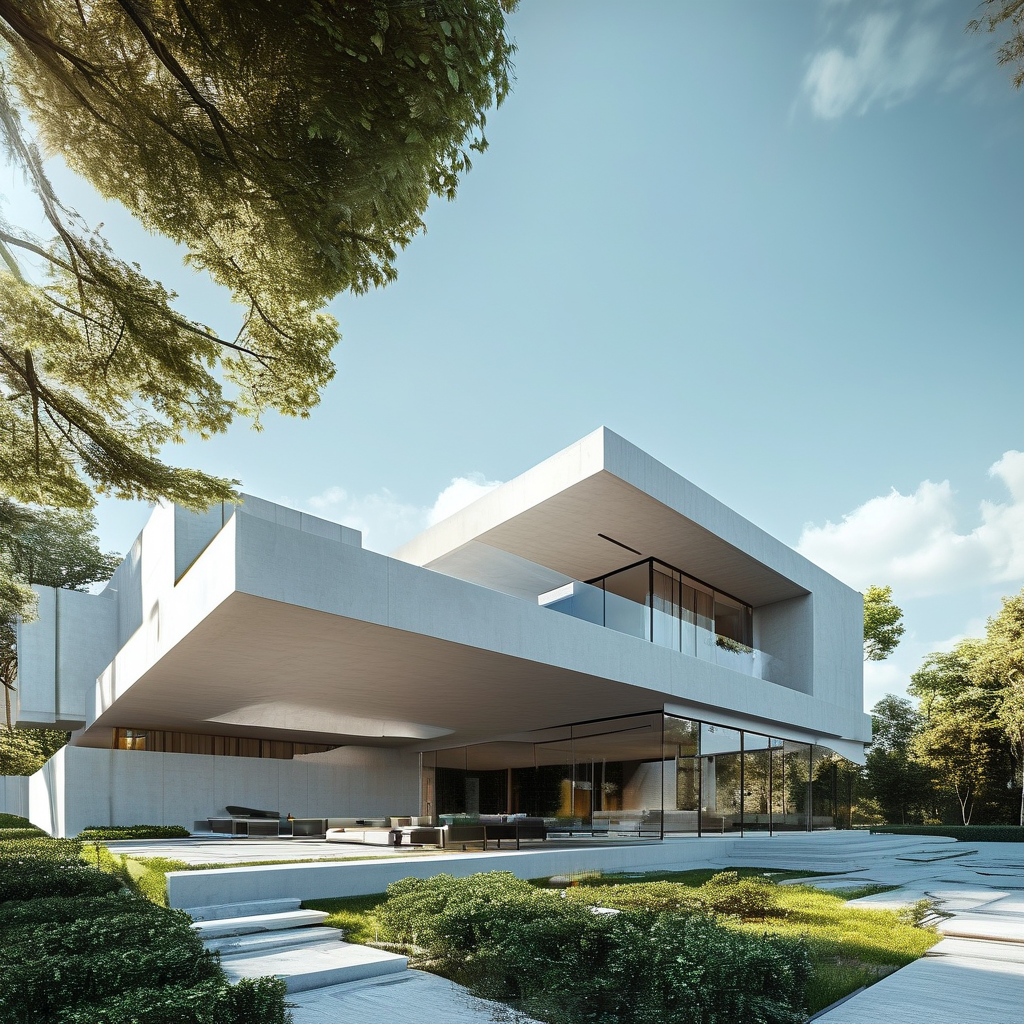
The integration of artificial intelligence (AI) into architectural design processes is marking a significant shift in how buildings and urban spaces are conceived, designed, and constructed. According to industry experts, AI can enhance creativity and efficiency, providing architects with tools that allow for the exploration of complex design solutions and the optimization of structural elements. This technology is particularly relevant for firms like DEHE Architecture, which focus on innovative and sustainable design solutions. AI can simulate the environmental impact of design choices, ensuring that projects meet stringent sustainability standards while also optimizing cost and time. For example, AI algorithms can predict energy consumption and suggest modifications to improve a building’s performance. Additionally, AI can help in the early stages of design by generating a vast array of options based on client requirements, site conditions, and regulatory frameworks. This not only accelerates the design process but also allows for more personalized and context-sensitive designs. The adoption of AI in architectural design is also influencing the way architects collaborate with other professionals, such as engineers and urban planners, by facilitating more seamless and data-driven communication. As the industry continues to evolve, the role of AI is expected to expand, leading to more sophisticated and responsive design solutions that can adapt to the dynamic needs of cities and communities.
行业资讯
AI and the Future of Architectural Design: A New Era of Creativity and Efficiency
DEHE·每日早讯
2026-09-26