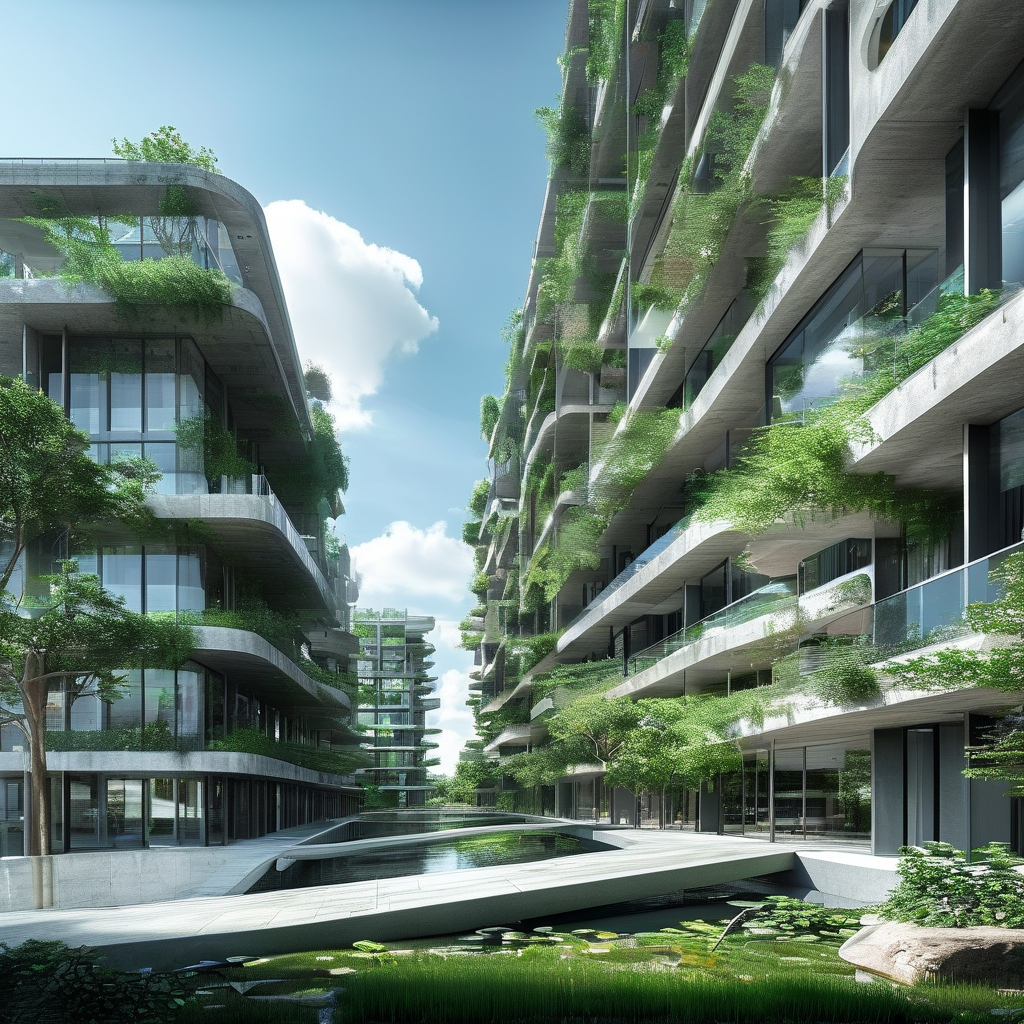
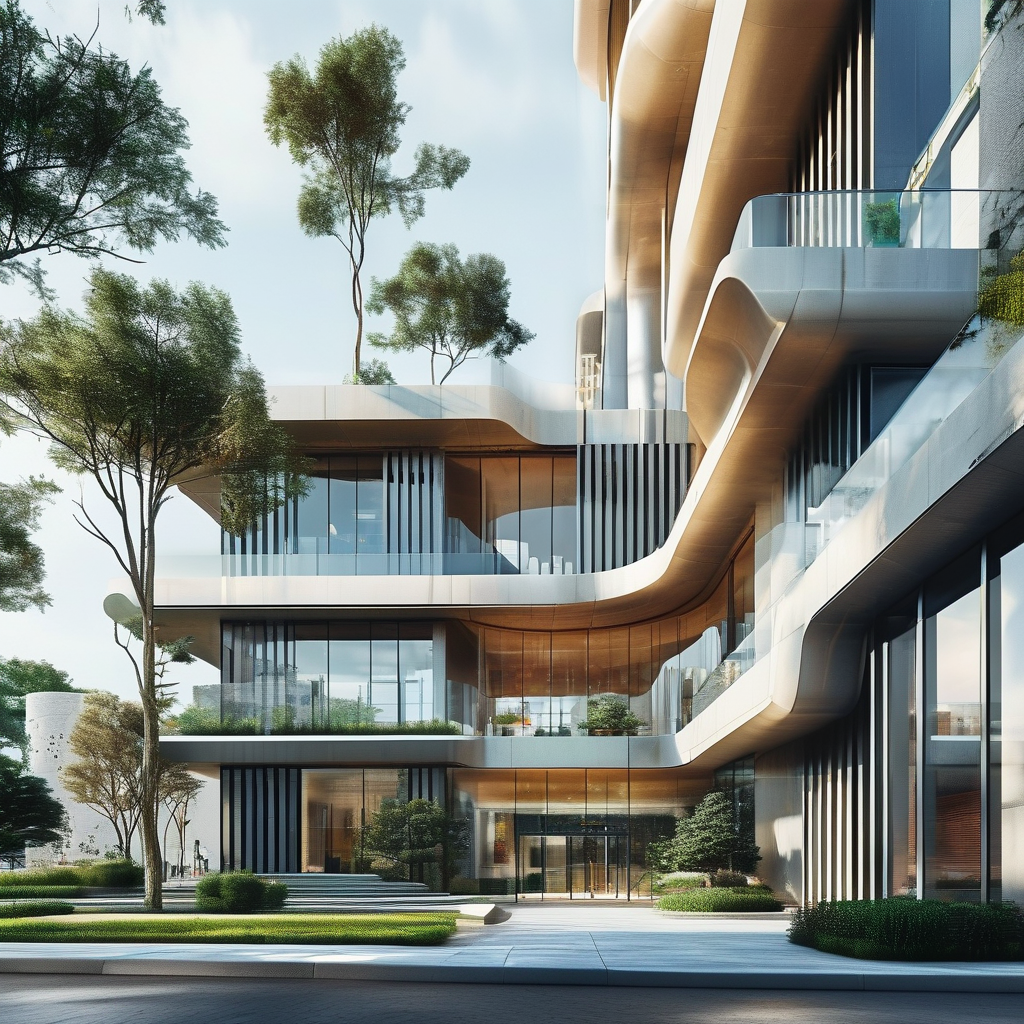
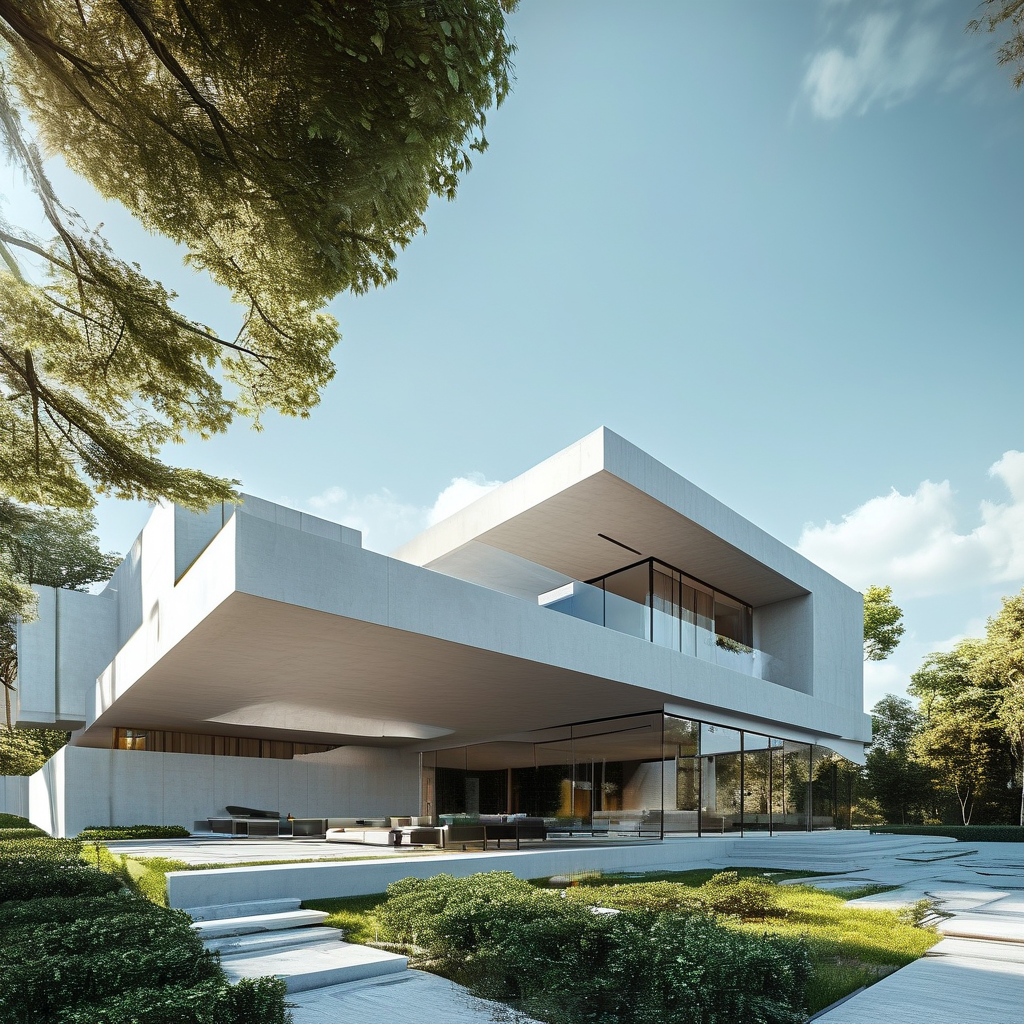
The concept of sponge cities has gained traction as a sustainable approach to urban landscape design. Sponge cities are designed to manage water in a more natural and effective way, mimicking the water-absorbing capabilities of a sponge. This involves the use of permeable pavements, green roofs, and rain gardens, which help to reduce runoff, prevent flooding, and improve water quality.
In China, the Ministry of Housing and Urban-Rural Development has been a strong advocate for sponge city initiatives. Since 2015, over 30 pilot cities have been selected to develop and implement sponge city technologies. These cities, including Shanghai, Beijing, and Shenzhen, are exploring innovative solutions to urban water management, such as the integration of green infrastructure and the enhancement of existing water systems.
Shanghai, in particular, has made significant progress in this area. The city has implemented several sponge city projects, such as the Chongming Dongtan Wetland Park, which uses natural water filtration systems to manage stormwater. This park not only serves as a flood control mechanism but also provides a habitat for various wildlife species and a recreational area for residents.
DEHE Architecture has been at the forefront of incorporating sponge city principles into our landscape designs. Our recent project, the Lingang New City Waterfront Development, integrates extensive green spaces and water management systems to create a resilient and sustainable urban environment. By embracing these sustainable practices, we aim to contribute to the broader goal of environmental stewardship and the creation of livable cities.
行业资讯
Sustainable Practices: The Integration of Sponge Cities in Landscape Design
DEHE·每日早讯
2026-09-22