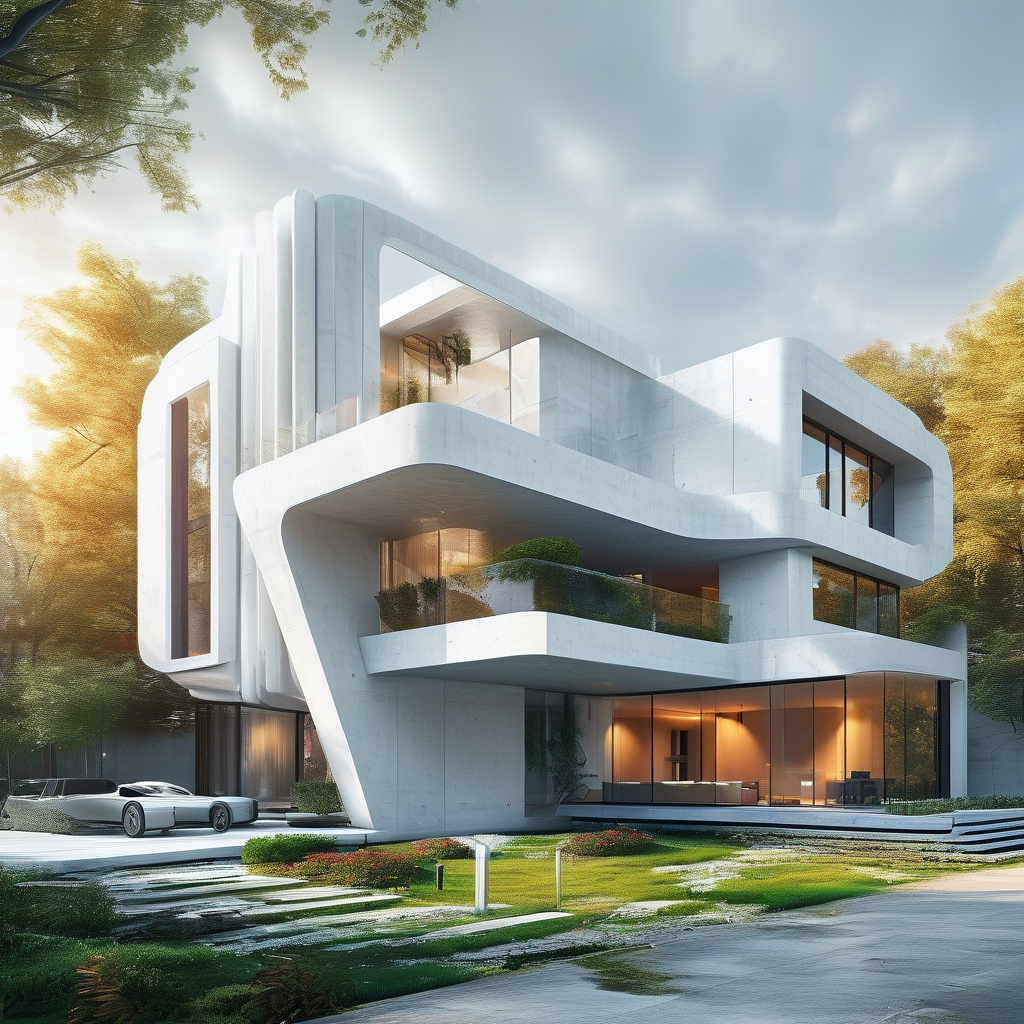
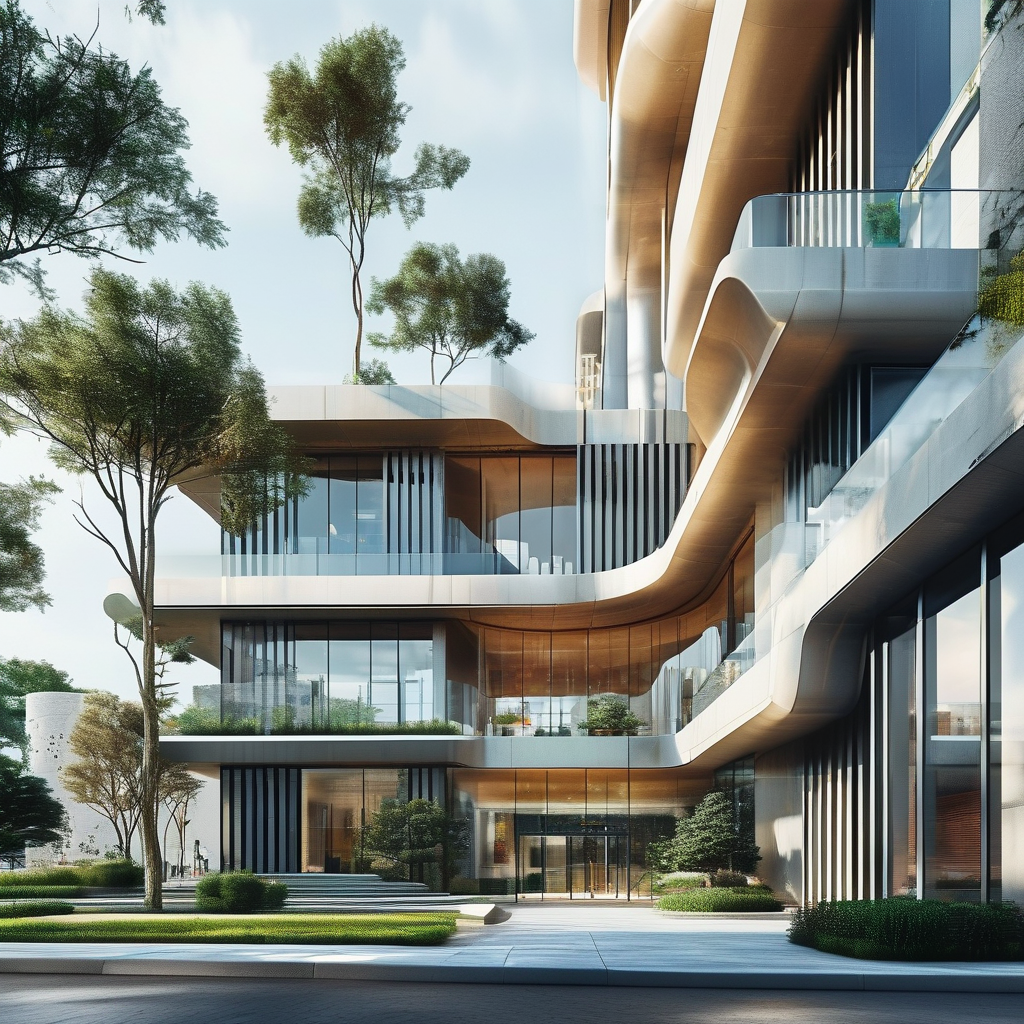
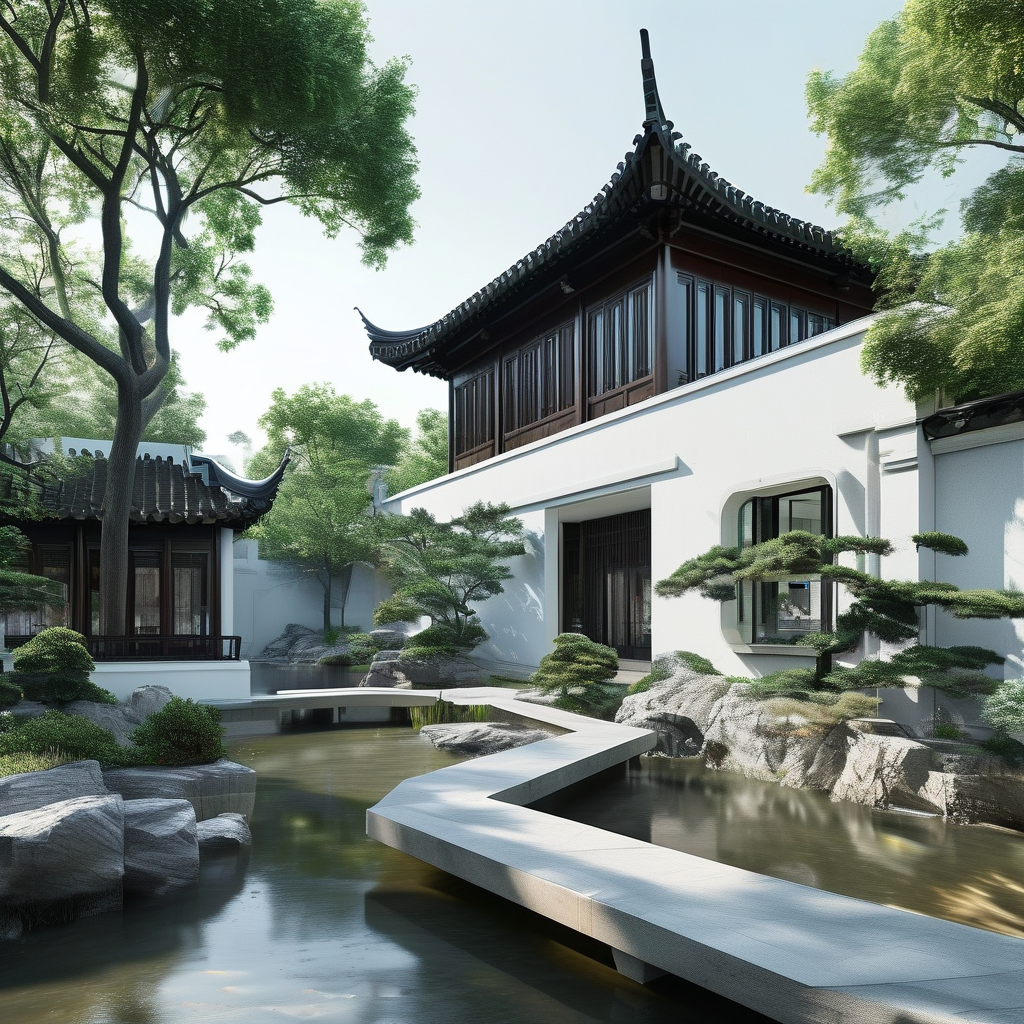
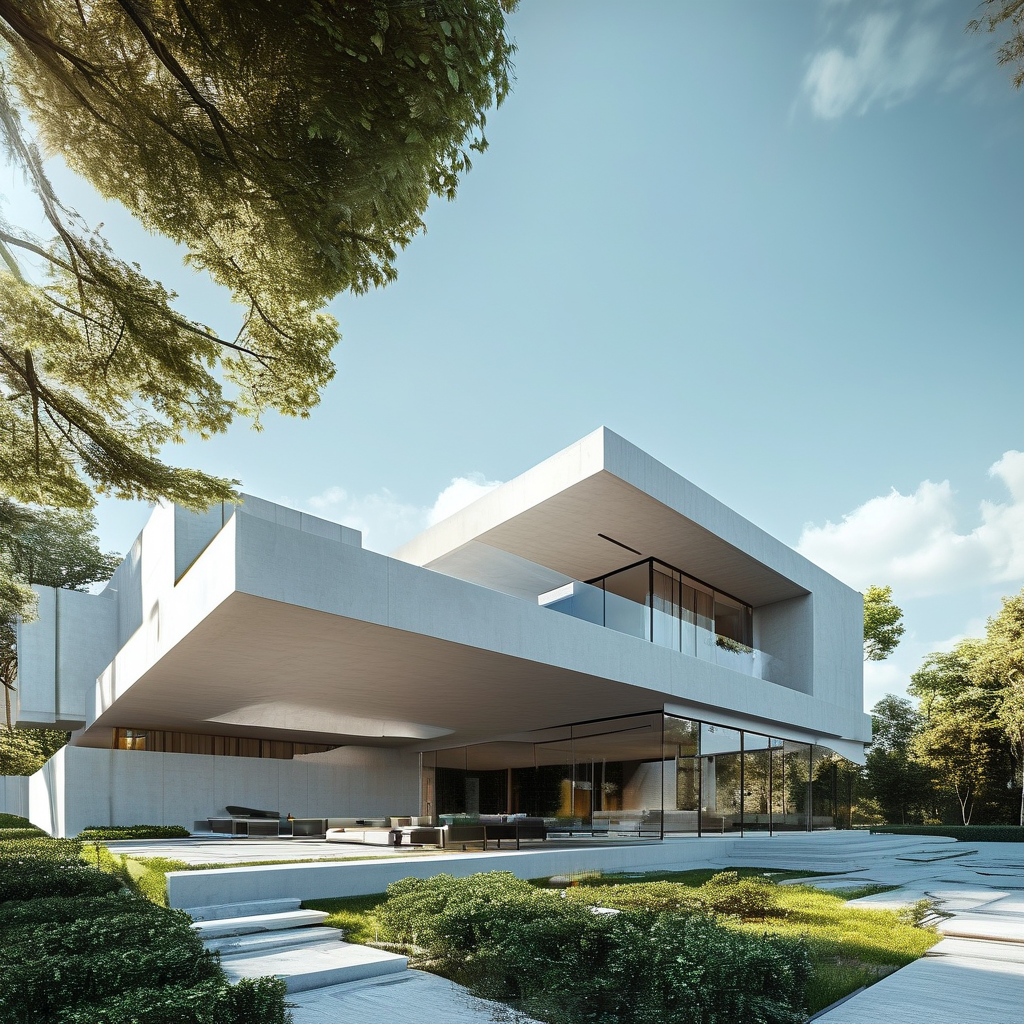
The integration of digital technologies and artificial intelligence (AI) into architectural design is reshaping the industry, offering new possibilities for creativity and efficiency. According to recent industry discussions, AI-assisted tools are increasingly being used to optimize building performance, streamline design processes, and even generate architectural forms. This shift is not only enhancing the precision and speed of design but also allowing architects to focus more on conceptual and innovative aspects of their projects. For firms like DEHE Architecture, embracing these technologies can mean a significant competitive edge, particularly in complex projects that require high levels of customization and rapid prototyping. However, the adoption of AI in architecture also raises important questions about the role of the designer and the potential for job displacement. As the technology advances, it is crucial for architects to adapt and integrate AI in a way that complements their creative skills and maintains the integrity of the design process. The ongoing dialogue between technology developers and architects is key to ensuring that AI tools are user-friendly, reliable, and capable of handling the nuanced challenges of architectural design. This collaboration is expected to lead to more sophisticated AI applications that can assist in everything from initial concept generation to detailed construction documentation, ultimately contributing to more sustainable and efficient buildings.
行业资讯
Exploring the Future of Digital and AI-Assisted Design in Architecture
DEHE·每日早讯
2026-09-12