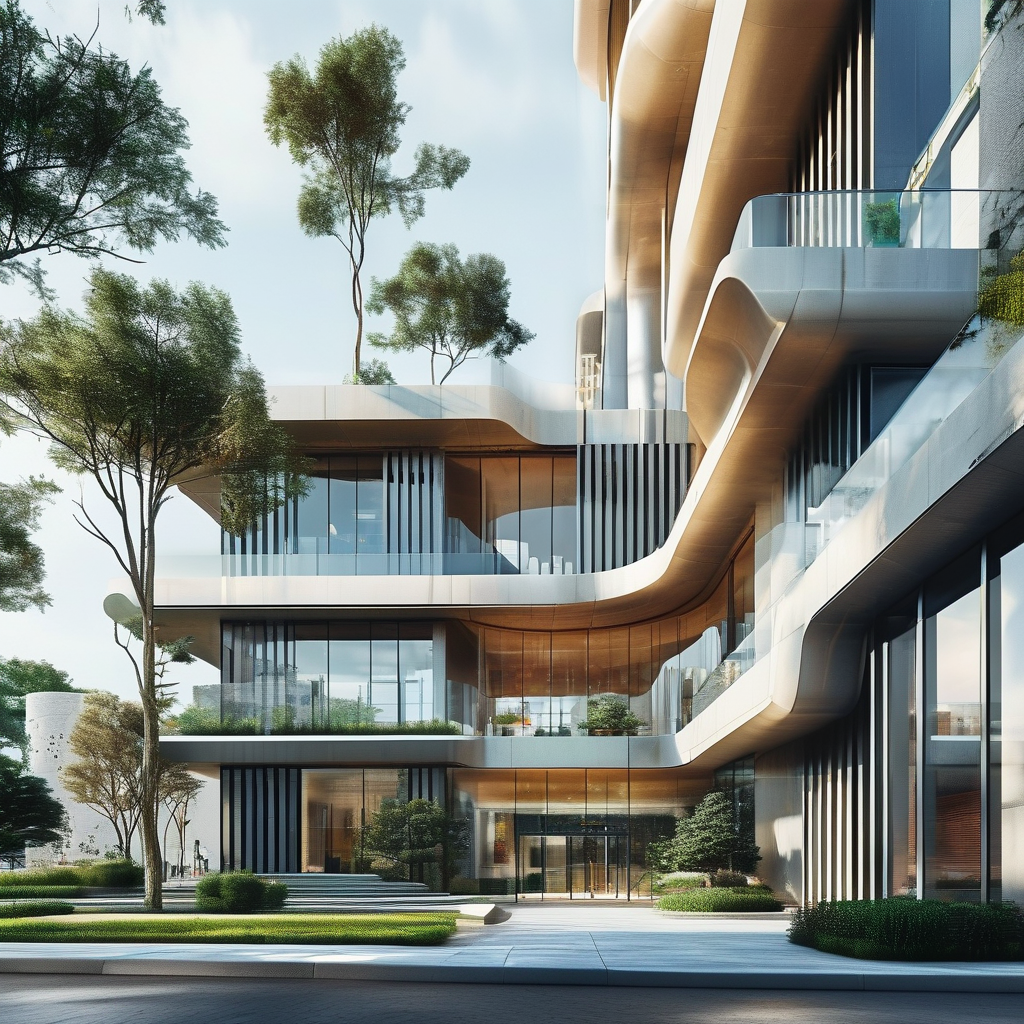
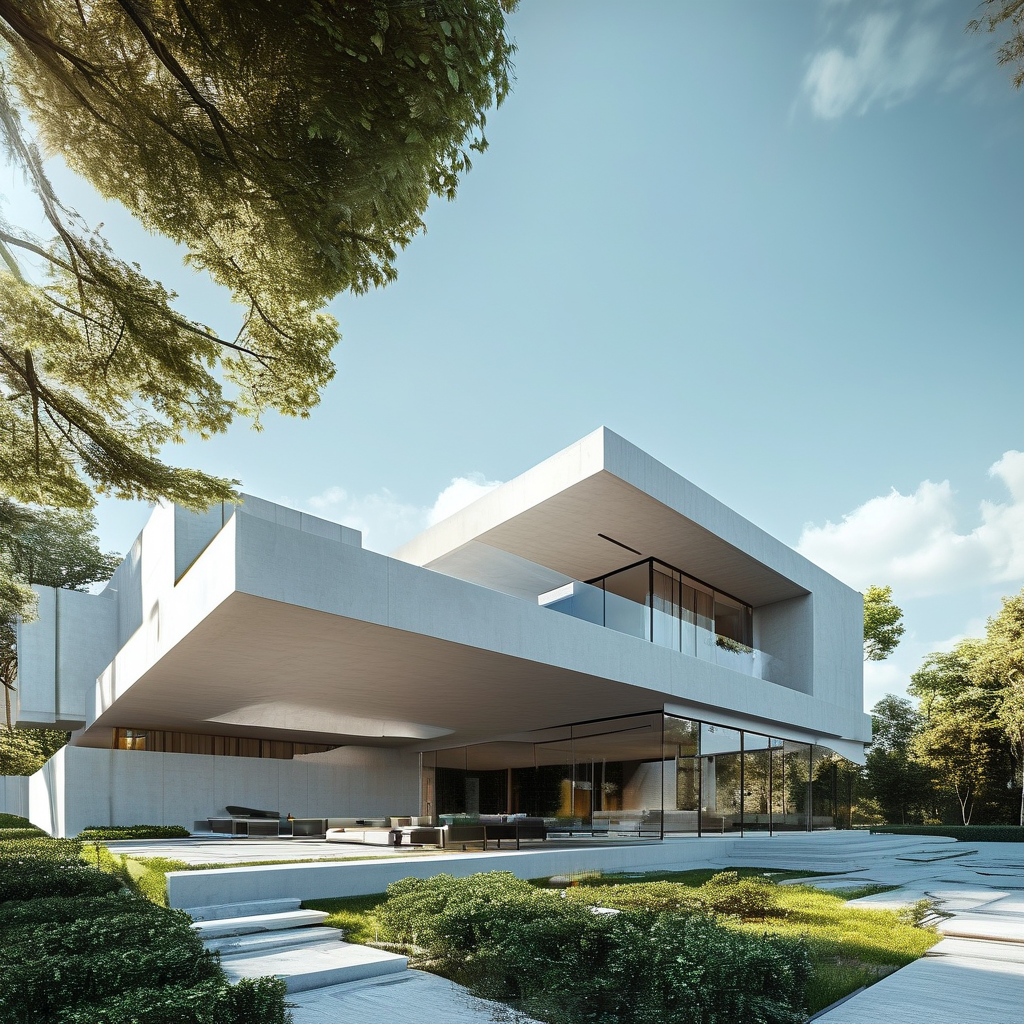
In recent years, the integration of digital tools and technologies has significantly transformed the field of urban planning. These advancements, such as geographic information systems (GIS), 3D modeling software, and big data analytics, are not only streamlining the planning process but also enhancing the accuracy and scope of urban development projects. According to industry discussions, digital tools enable planners to simulate complex urban scenarios, predict outcomes, and make informed decisions that can lead to more sustainable and livable cities.
One of the key benefits of digital tools is their ability to facilitate stakeholder engagement. Through virtual reality (VR) and augmented reality (AR) applications, planners can now present their designs in a more interactive and immersive way, allowing community members and other stakeholders to better understand and provide feedback on proposed projects. This not only improves transparency but also helps in building consensus and addressing concerns before the final plans are approved.
Moreover, the use of AI in urban planning is becoming increasingly prevalent. AI algorithms can analyze vast amounts of data to identify patterns and trends, which can inform the planning and design of infrastructure, housing, and public spaces. This data-driven approach ensures that urban developments are aligned with the needs and behaviors of the population, leading to more effective and user-friendly spaces.
As DEHE Architecture continues to explore the potential of digital and AI-assisted design, the firm is committed to leveraging these tools to create innovative and responsive urban environments that enhance the quality of life for residents and foster sustainable growth.
行业资讯
The Role of Digital Tools in Enhancing Urban Planning Efficiency
DEHE·每日早讯
2026-09-10