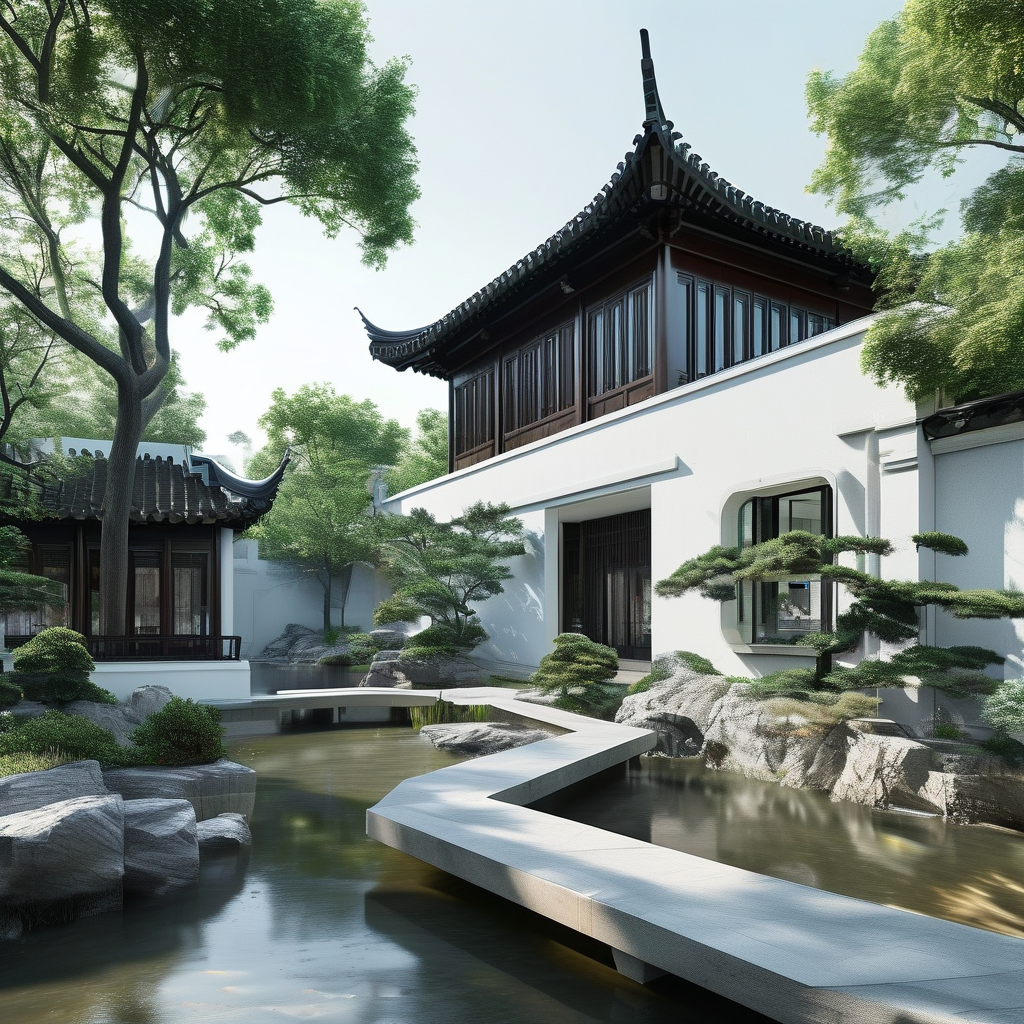
In the context of rapid urban development, the preservation of cultural heritage sites and their adaptive reuse has become a focal point in modern urban planning. This approach not only respects the historical and cultural significance of these sites but also integrates them into contemporary urban settings, enhancing the city's character and sustainability. For example, the adaptive reuse of old industrial buildings into cultural centers or public spaces can provide new life to neglected areas, fostering community engagement and economic revitalization. DEHE Architecture, known for its expertise in urban renewal and heritage conservation, has been involved in several projects that exemplify this trend. One such project is the renovation of a historic textile factory into a multifunctional arts and culture hub, which has been praised for its sensitive approach to preserving the original architecture while introducing modern amenities. Another key aspect is the use of sustainable materials and energy-efficient systems, which align with the firm’s commitment to green building practices. As cities continue to grow and evolve, the balance between development and preservation will remain an important consideration for urban planners and architects alike.
行业资讯
Heritage Preservation and Adaptive Reuse in Modern Urban Planning
DEHE·每日早讯
2026-09-06