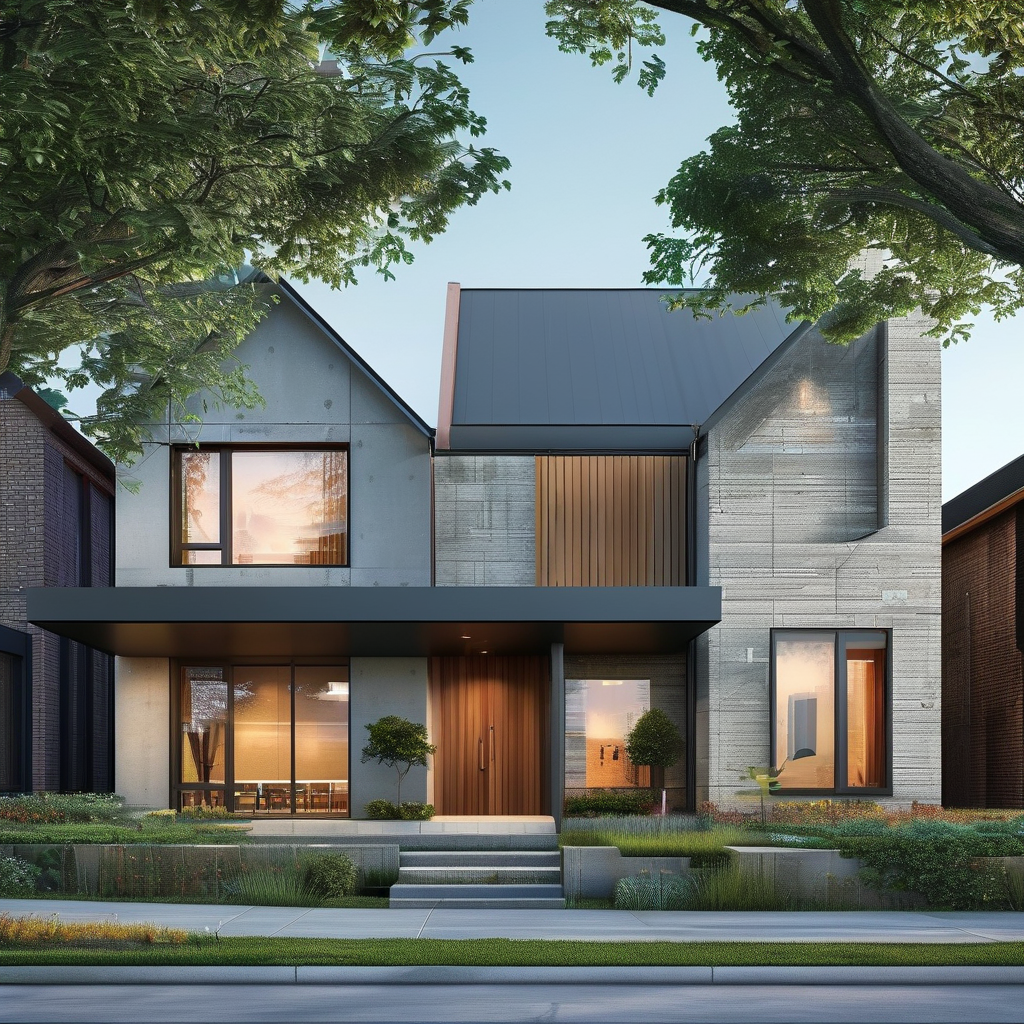
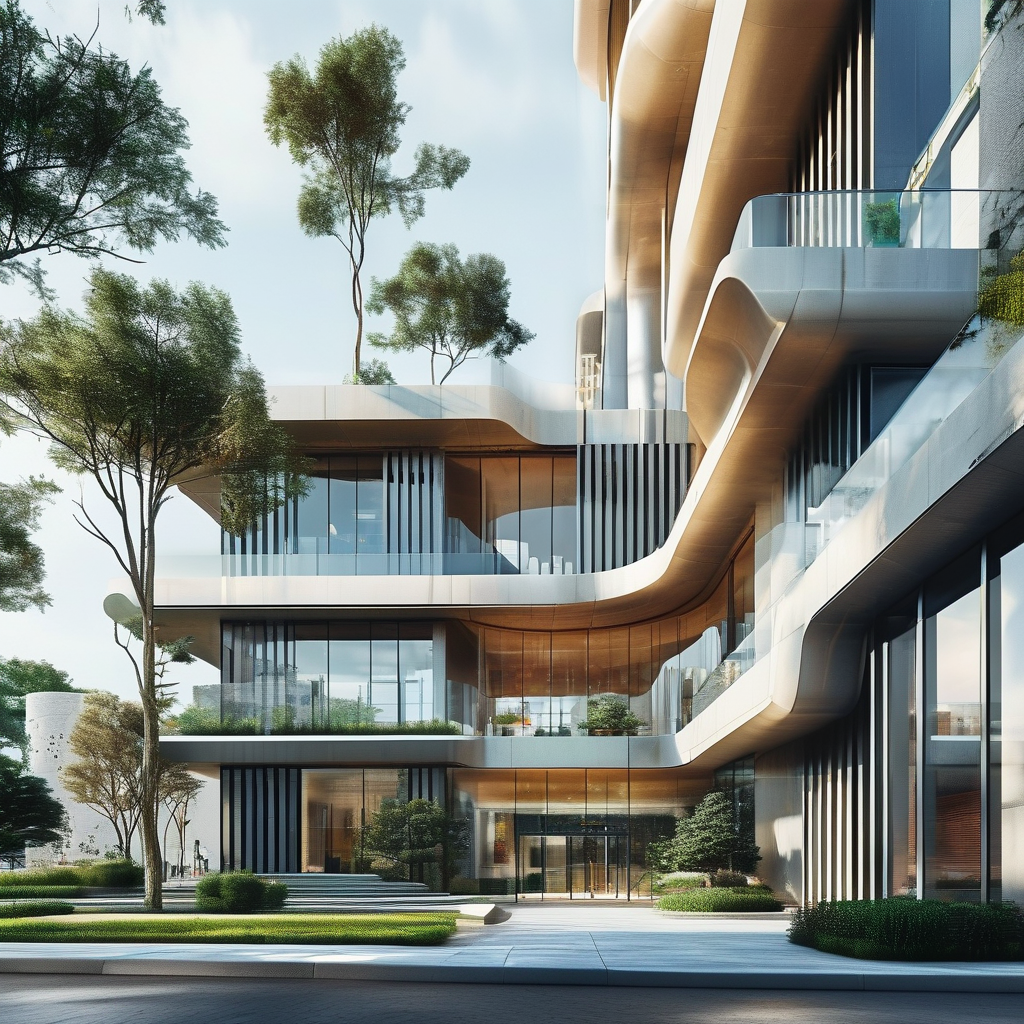
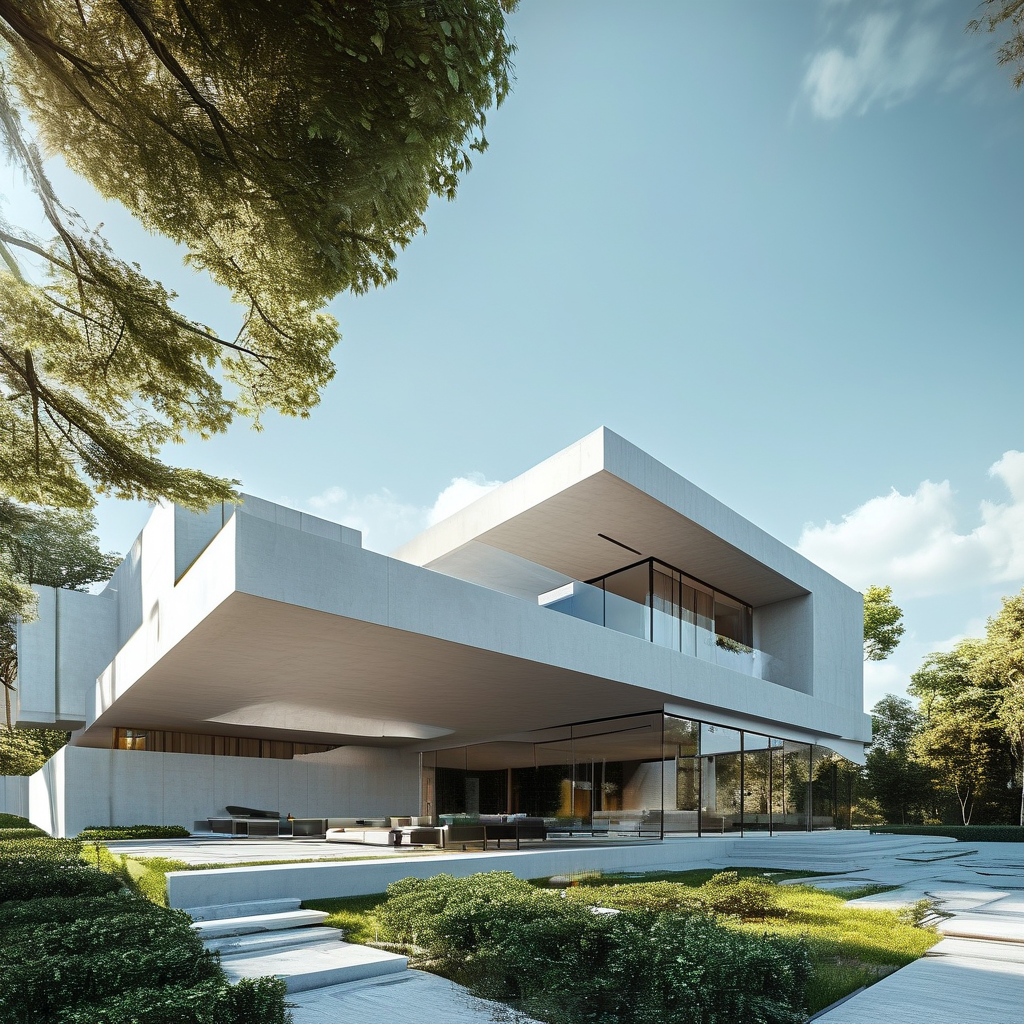
Heritage preservation and adaptive reuse are becoming essential components of sustainable urban development, reflecting a growing awareness of the cultural and environmental value of historic buildings. In cities around the world, abandoned or underutilized historic structures are being transformed into modern facilities that serve contemporary needs while maintaining their historical integrity. This approach not only preserves the architectural and cultural heritage but also reduces the environmental impact associated with new construction. For example, the conversion of old industrial sites into mixed-use developments has been a common practice, especially in areas undergoing urban renewal. These projects often involve extensive community engagement to ensure that the new use respects the building's past and contributes positively to the neighborhood. Additionally, adaptive reuse can enhance the economic vitality of a city by attracting businesses and residents who value the unique character of historic buildings. As urban planners and architects increasingly embrace these practices, the challenge remains to balance preservation with innovation, ensuring that historic sites remain relevant and functional in today's rapidly changing urban landscapes.
行业资讯
Heritage Preservation and Adaptive Reuse: A Path to Sustainable Urban Development
DEHE·每日早讯
2026-09-03