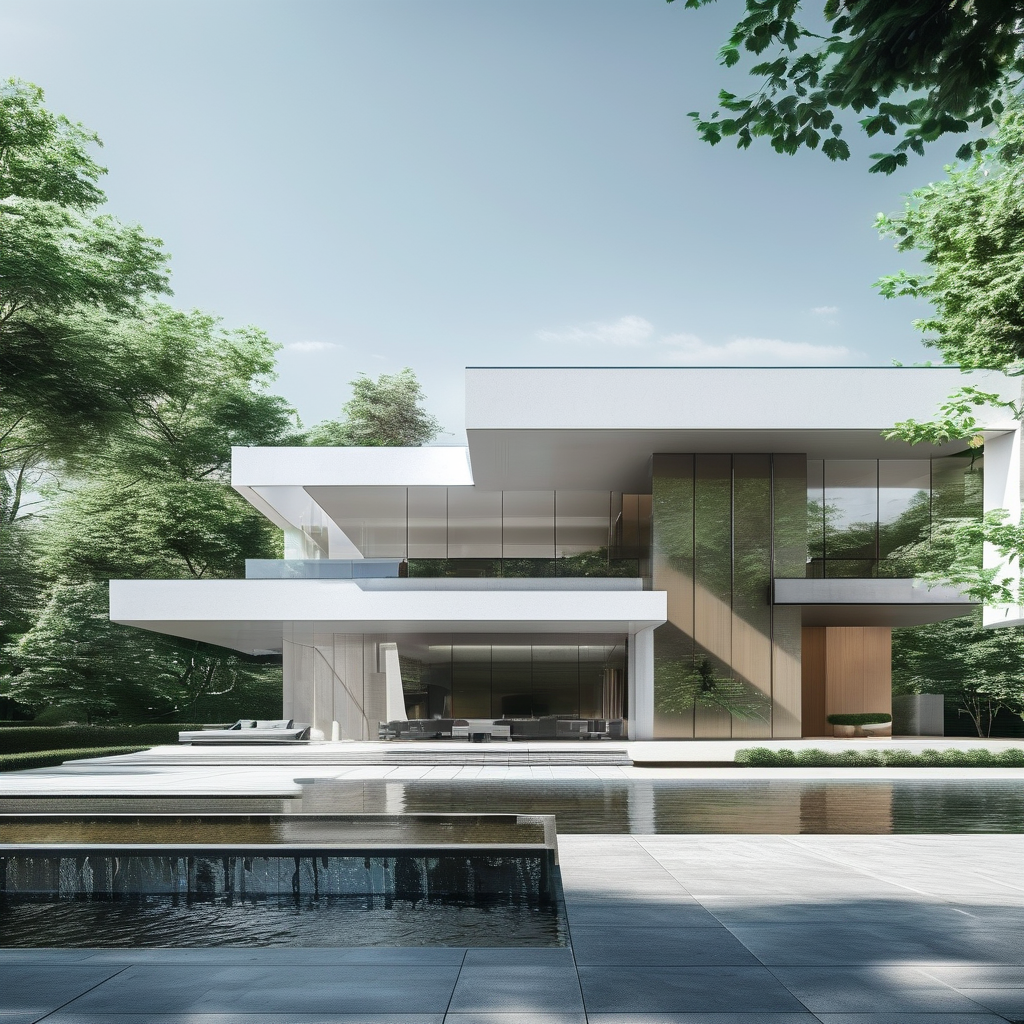
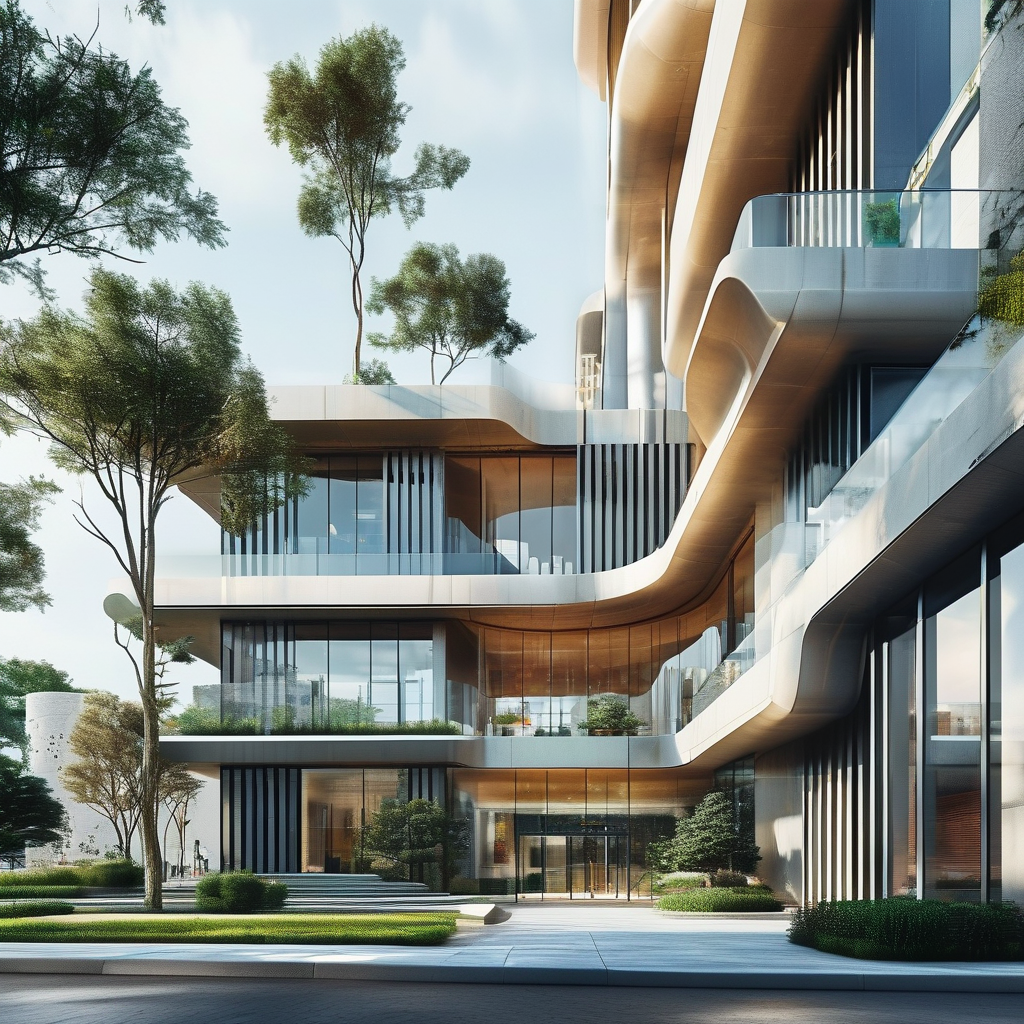
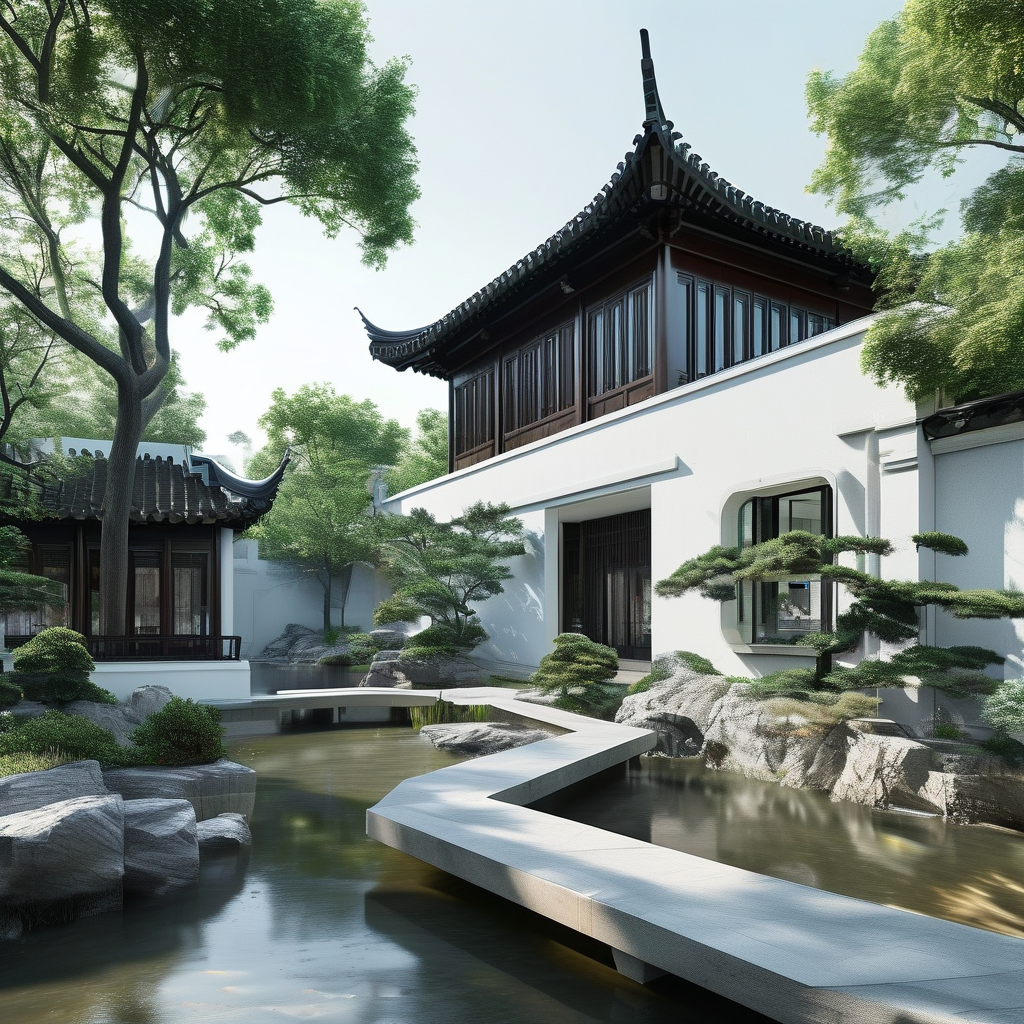
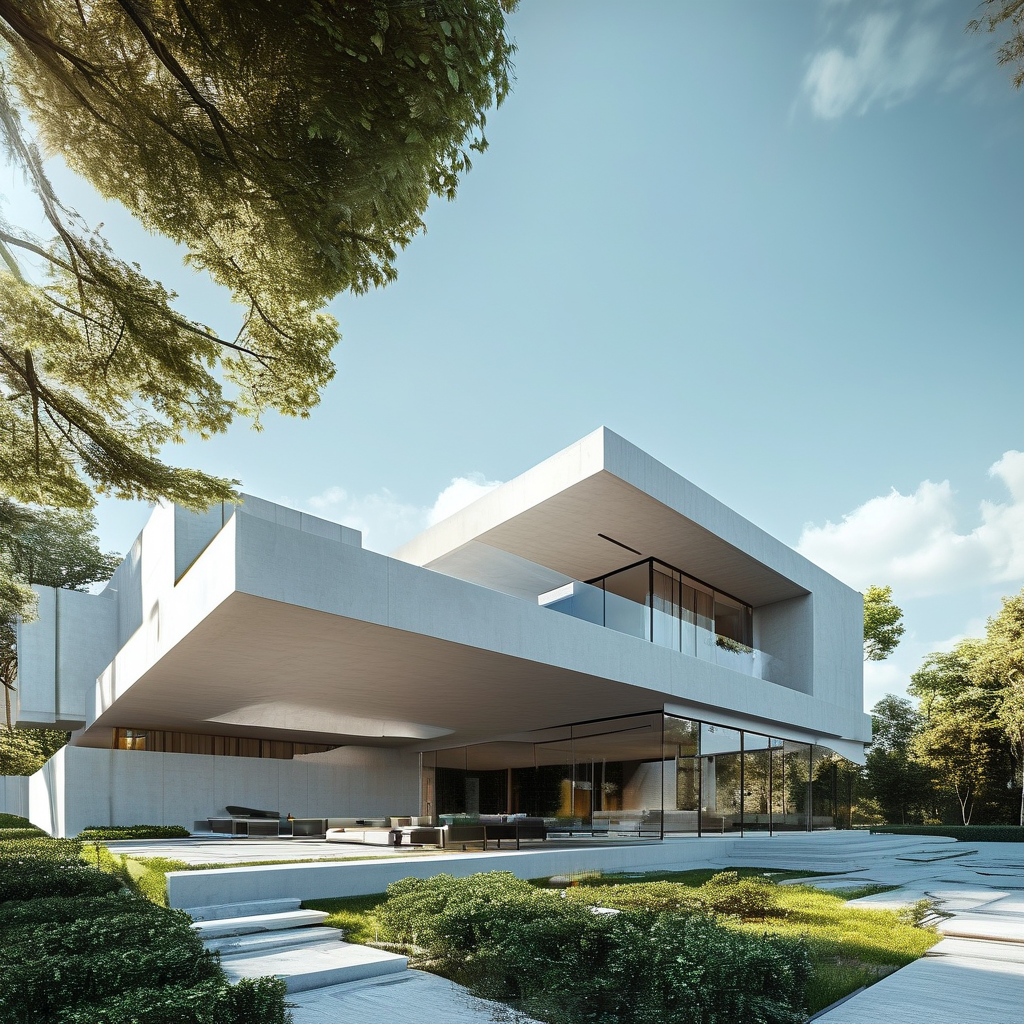
The integration of artificial intelligence (AI) into architectural design is revolutionizing the way architects approach creativity and problem-solving. According to industry discussions, AI is not just a tool for enhancing efficiency but is becoming a core component of the design process, enabling architects to explore complex solutions and innovative designs that were previously unattainable. AI algorithms can analyze vast datasets, including urban demographics, environmental factors, and building performance metrics, to generate design options that optimize various criteria such as sustainability, cost, and user experience. This technology is particularly beneficial in large-scale projects where the interplay of multiple variables is crucial. For instance, in the context of transit-oriented developments (TODs), AI can help in predicting the impact of new transit hubs on surrounding areas, ensuring the design aligns with urban planning objectives. The adoption of AI in architecture also raises important questions about the role of the architect in the future. While AI can automate many tasks, the human touch remains essential for interpreting data, making aesthetic decisions, and ensuring that the design meets the needs of the community. DEHE Architecture is closely monitoring these developments to ensure that our projects leverage the latest technologies while maintaining a human-centric approach.
行业资讯
AI-Driven Design Transforming Architectural Creativity
DEHE·每日早讯
2026-08-29