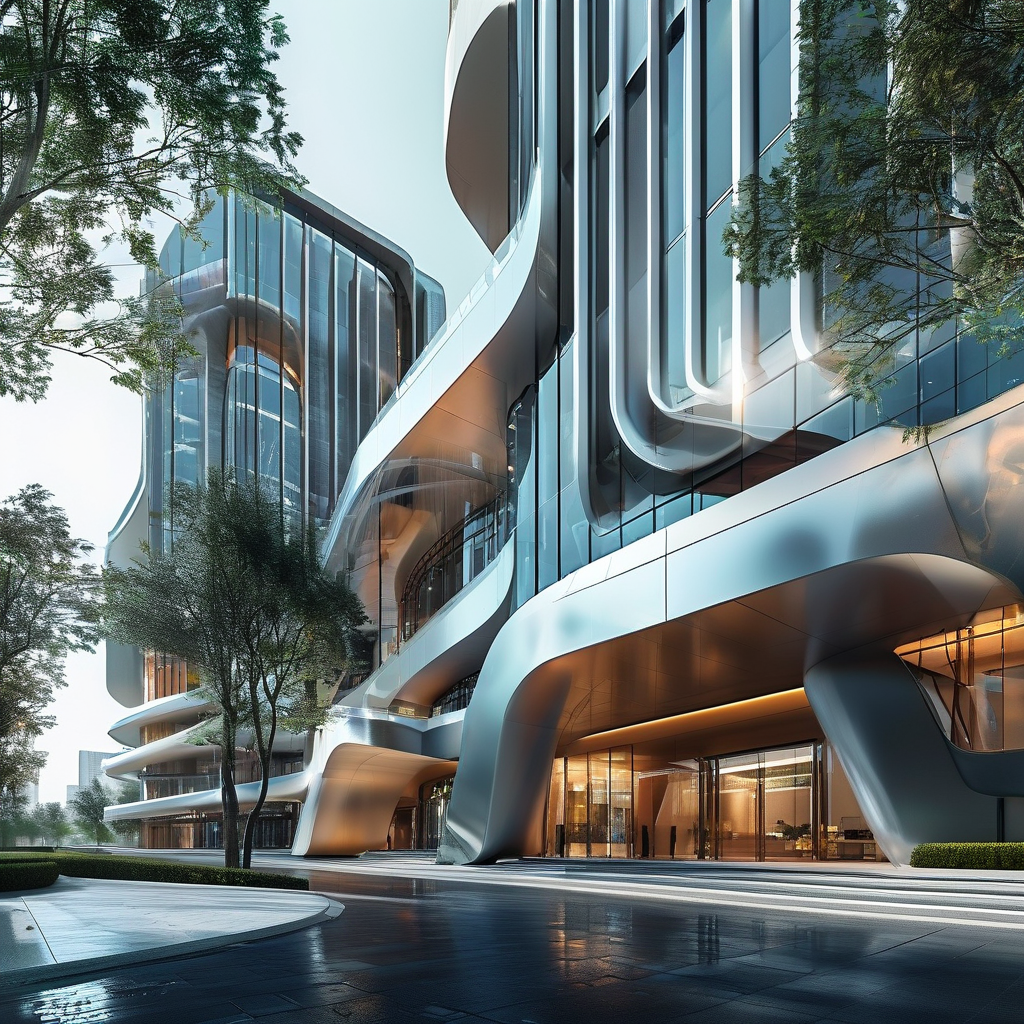
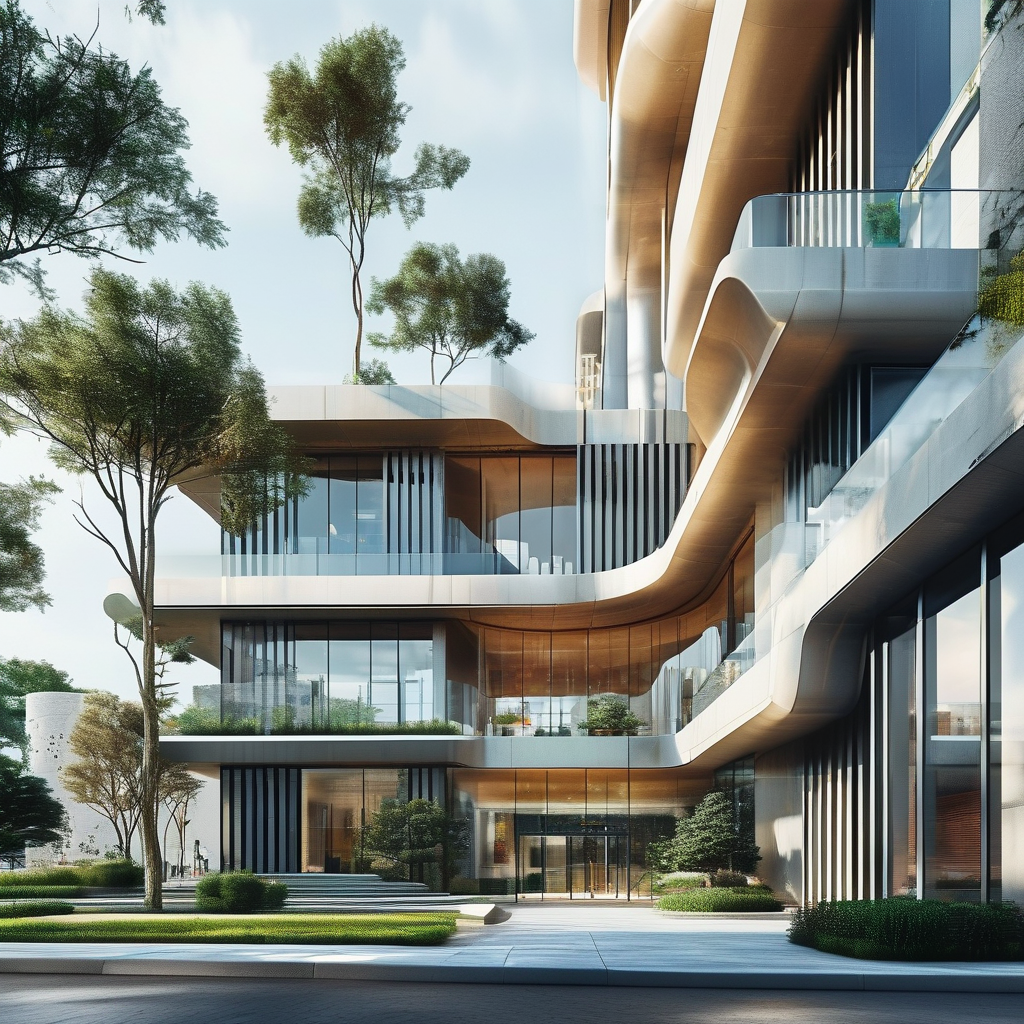
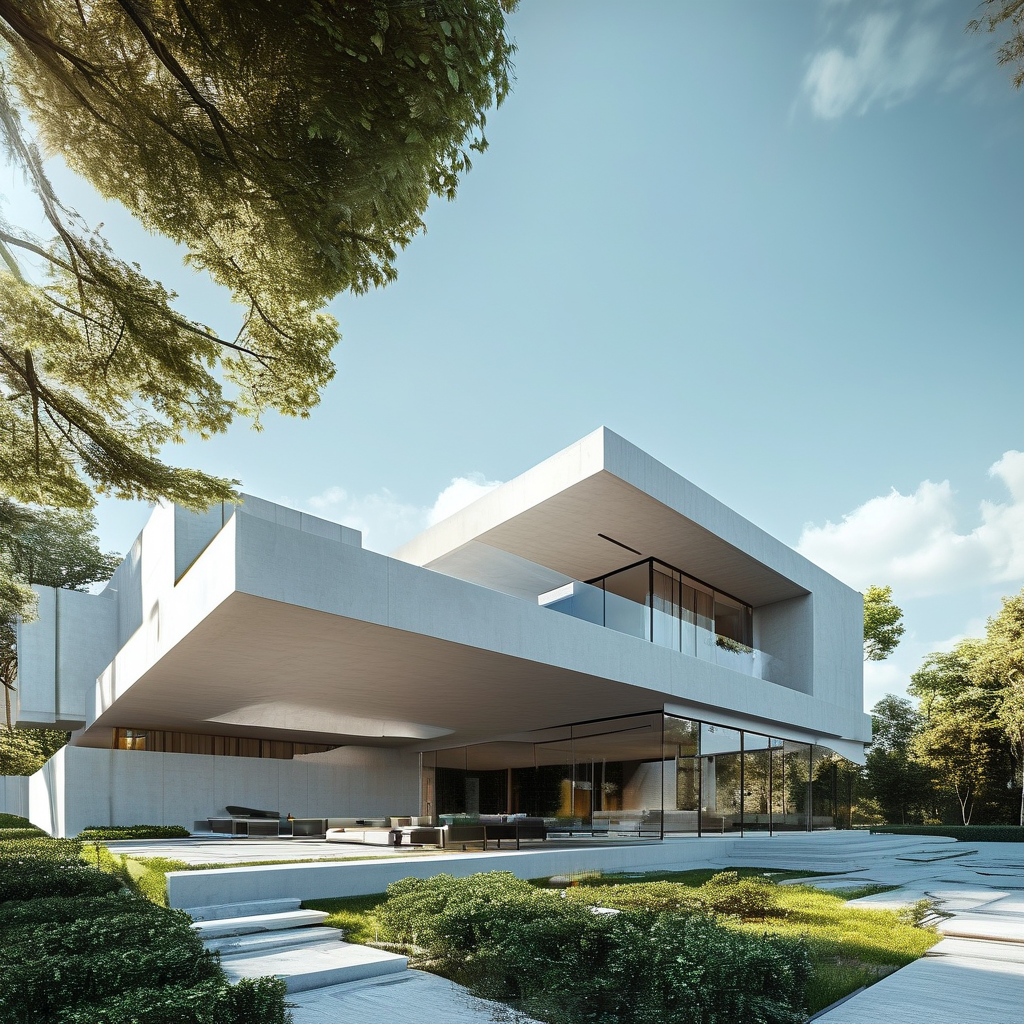
The integration of smart city infrastructure is transforming the way urban planners and architects approach the design and development of modern cities. This technological shift is not only improving the efficiency of city operations but also enhancing the quality of life for residents. Smart city solutions, such as integrated transport systems, energy-efficient buildings, and advanced waste management, are becoming essential components in the urban development toolkit. According to industry discussions, these innovations are expected to play a pivotal role in addressing urban challenges such as traffic congestion, pollution, and resource scarcity. For instance, the implementation of intelligent traffic management systems can significantly reduce travel time and lower carbon emissions. Similarly, smart energy systems can optimize the use of renewable resources, contributing to more sustainable urban environments. As cities around the world adopt these technologies, the role of architects and urban planners in designing adaptable and resilient urban spaces becomes increasingly important. They must collaborate closely with technology providers and policymakers to ensure that smart solutions are seamlessly integrated into the urban fabric. This collaboration is crucial for the success of smart city initiatives, which aim to create cities that are not only technologically advanced but also socially inclusive and environmentally sustainable.
行业资讯
Revolutionizing Urban Design: The Impact of Smart City Infrastructure on Modern Cities
DEHE·每日早讯
2026-08-24