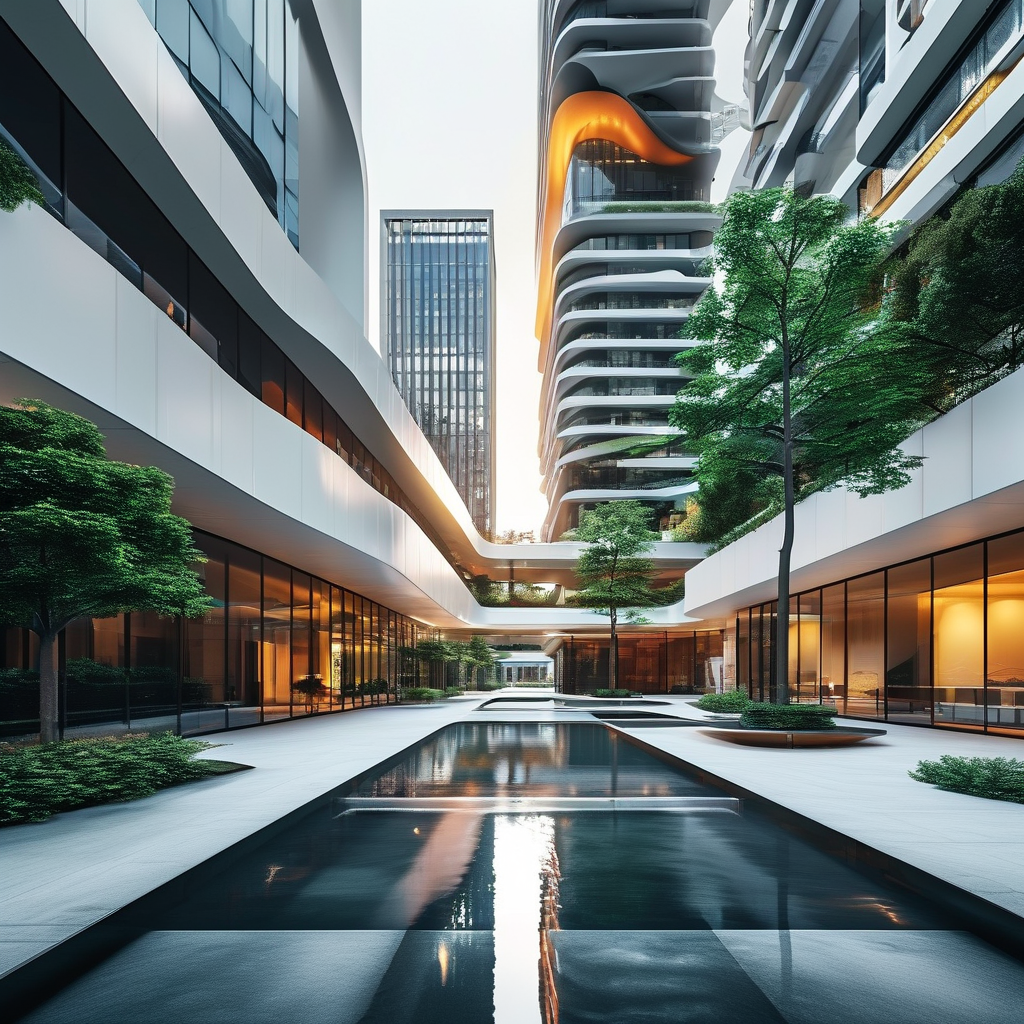
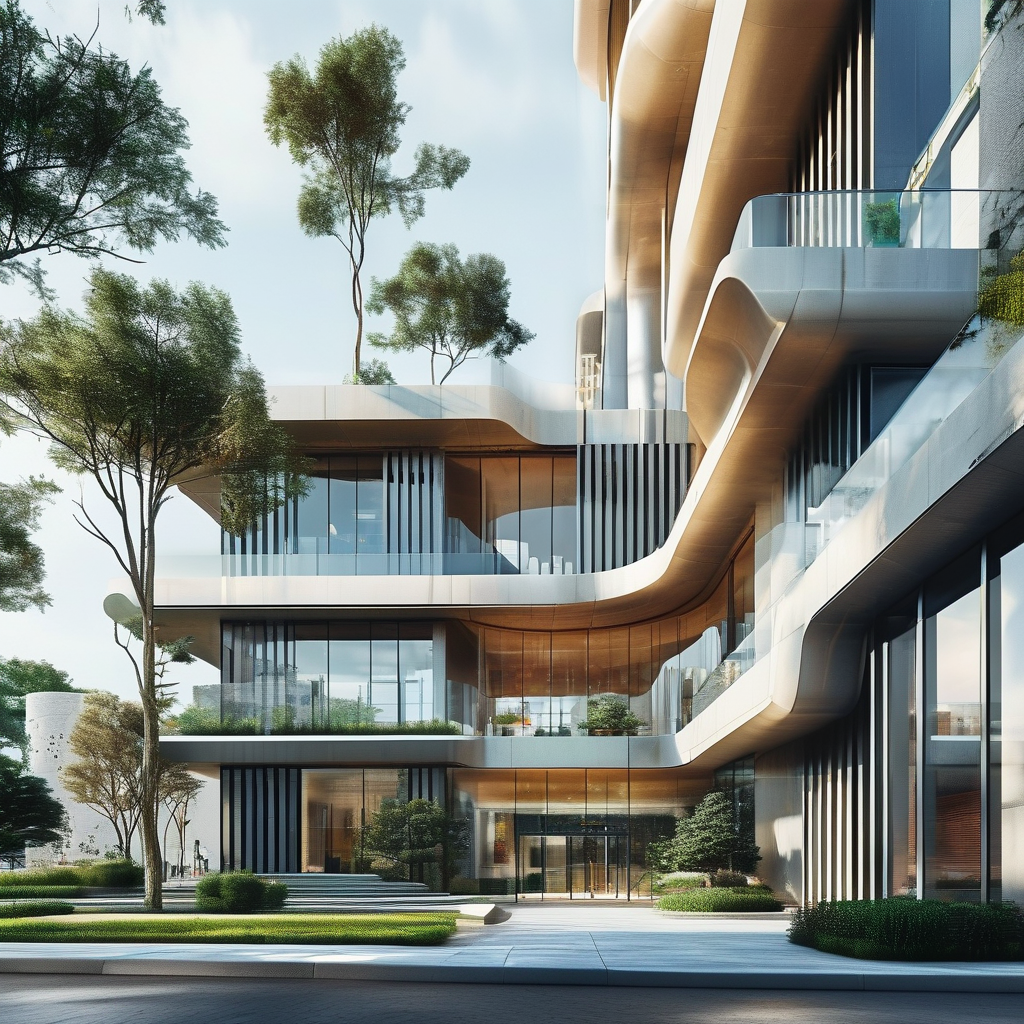
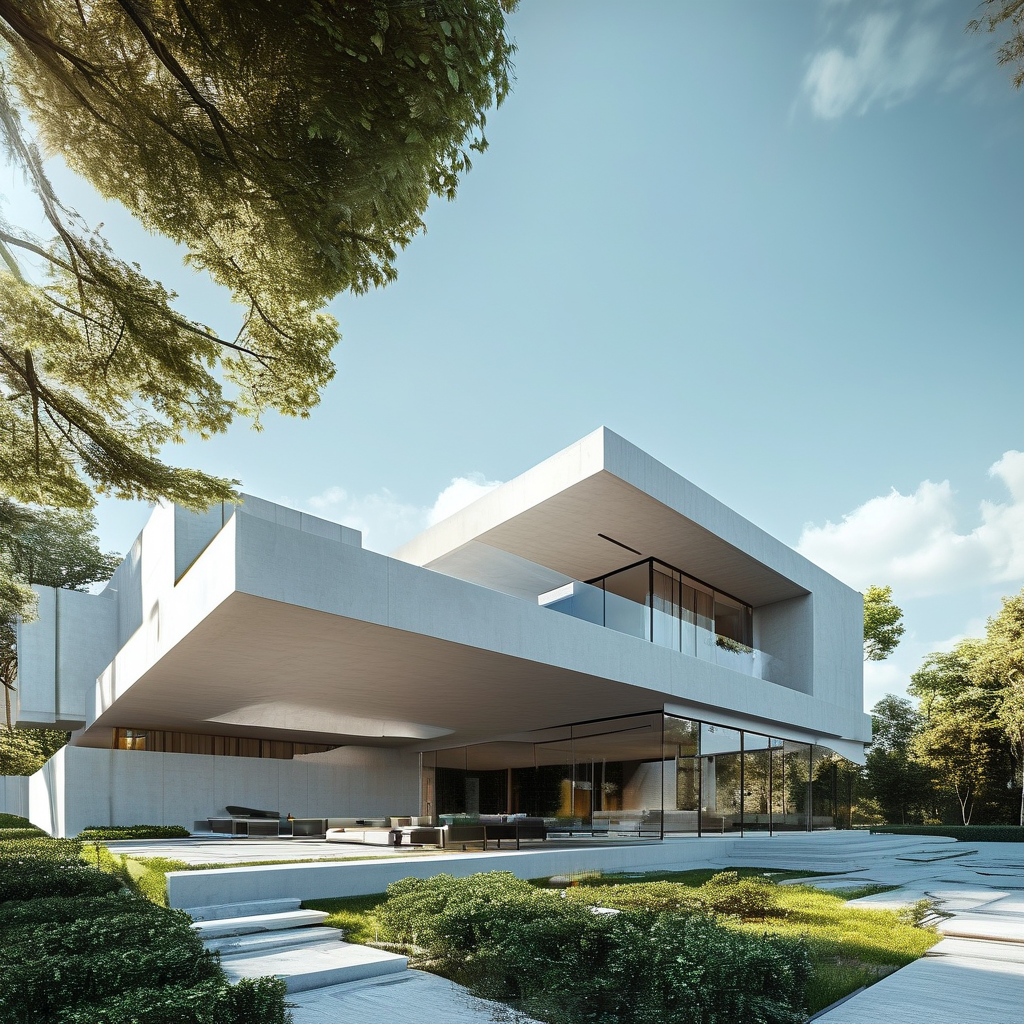
The integration of artificial intelligence (AI) into urban design and planning is revolutionizing how cities are developed and managed. AI tools can analyze vast amounts of data, from traffic patterns to energy consumption, to optimize urban layouts and infrastructure. This shift is particularly evident in the development of smart cities, where technology plays a pivotal role in enhancing efficiency and sustainability. For example, in Singapore, the government has launched initiatives that use AI to monitor and manage urban environments, ensuring that the city remains a leading example of a smart city. Similarly, cities like Barcelona and Amsterdam are using AI to improve public services and reduce environmental impact. DEHE Architecture, a firm with a strong focus on innovative design, is exploring the potential of AI in its projects, aiming to create more responsive and adaptive urban spaces that can better serve the needs of residents and visitors alike. The firm's recent involvement in the Urban AI Design Challenge has pushed the boundaries of what is possible with AI-assisted urban planning. This competition, which drew entries from around the world, highlighted the diverse applications of AI in solving complex urban issues. AI is not just a tool for the future; it is actively shaping the cities we live in today, making them smarter, more sustainable, and more livable.
行业资讯
AI in Urban Design: Shaping the Future of Smart Cities
DEHE·每日早讯
2026-08-21