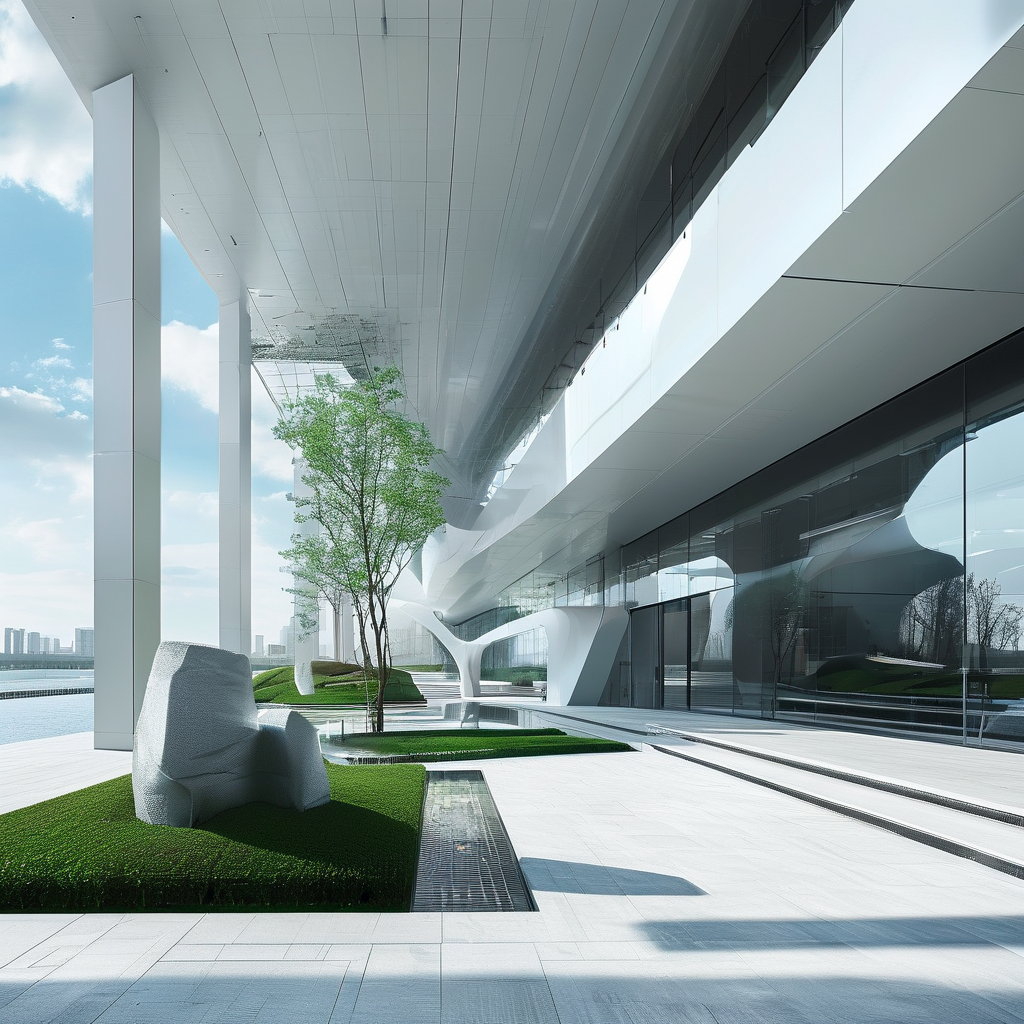
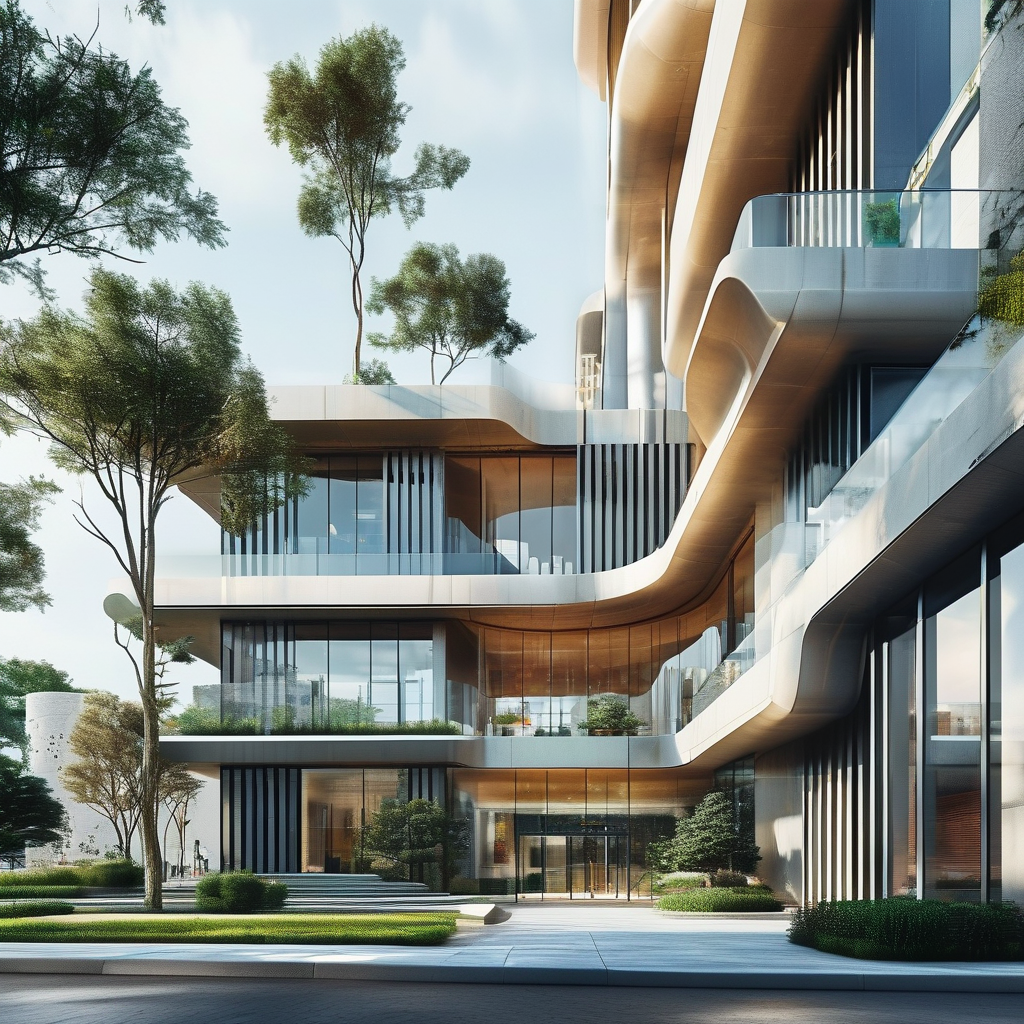
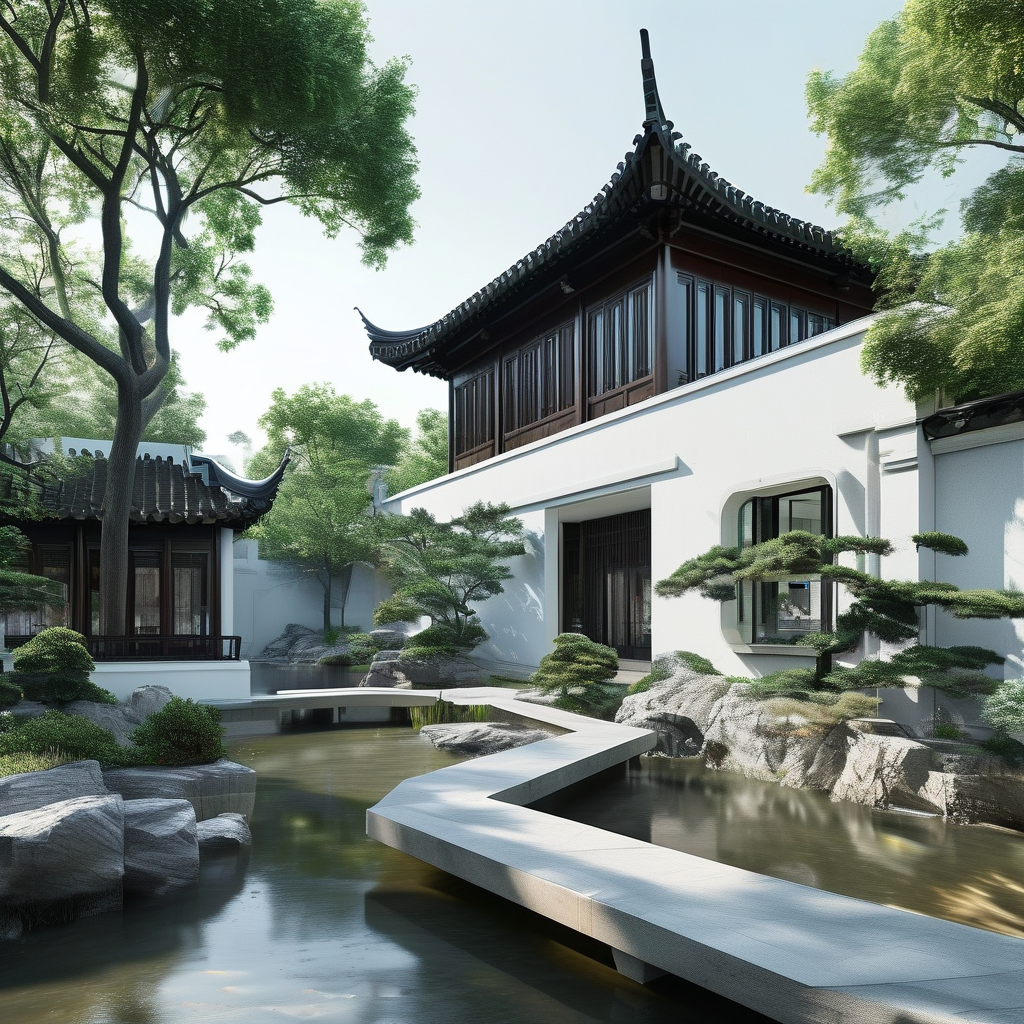
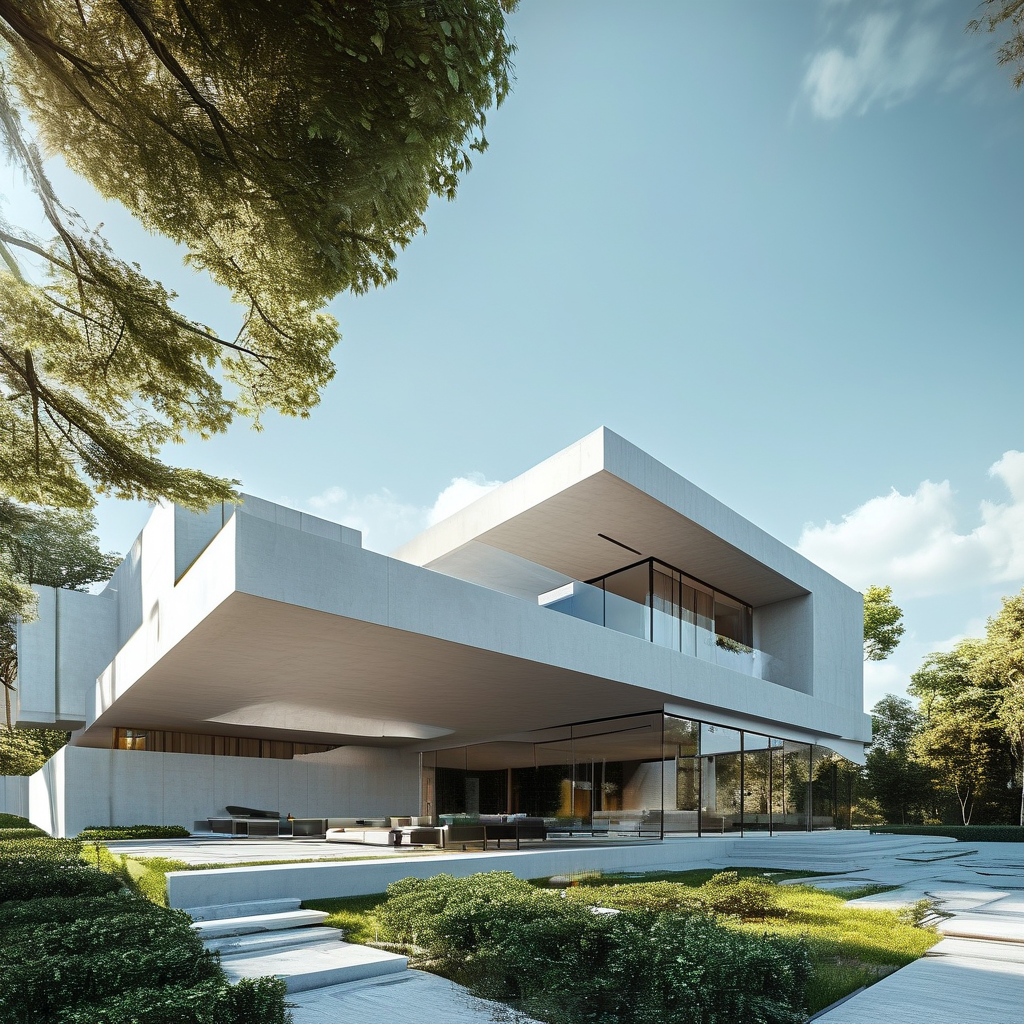
Sponge cities, a concept that aims to improve urban resilience through water management, have gained significant traction in recent years. Landscape design plays a crucial role in this approach by incorporating green spaces and water-absorptive materials. These elements not only enhance the aesthetic appeal of urban areas but also serve practical functions such as flood mitigation and groundwater recharge. In China, cities like Wuhan and Shenzhen are leading the way in implementing sponge city strategies. These initiatives involve constructing permeable pavements, green roofs, and rain gardens, which are designed to absorb and slowly release water, reducing the risk of flooding. DEHE Architecture, with its expertise in landscape and urban design, is actively involved in several sponge city projects. The firm focuses on creating multifunctional landscapes that can serve as recreational spaces while also performing critical environmental services. Through these projects, DEHE is demonstrating how landscape design can significantly contribute to the sustainability and livability of urban environments.
行业资讯
The Role of Landscape Design in Sponge Cities: Enhancing Urban Resilience
DEHE·每日早讯
2026-08-18