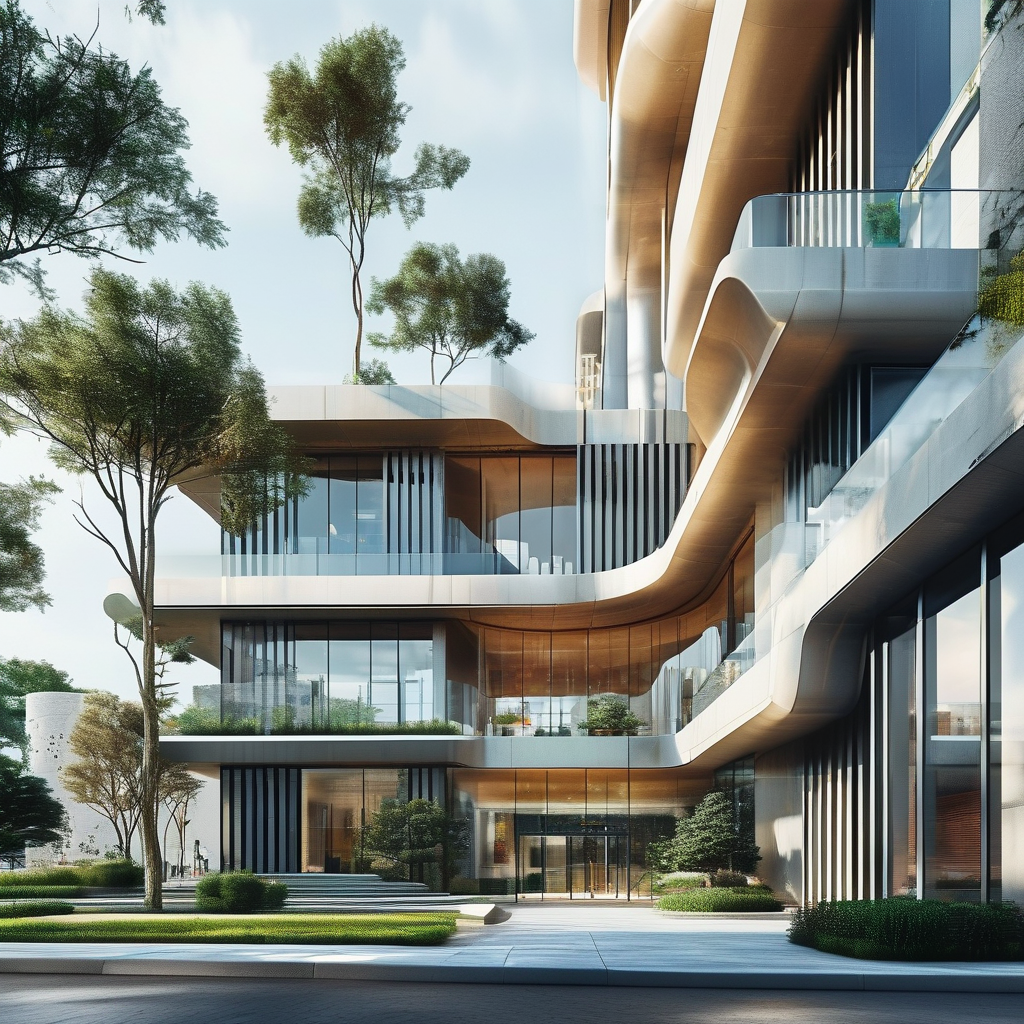
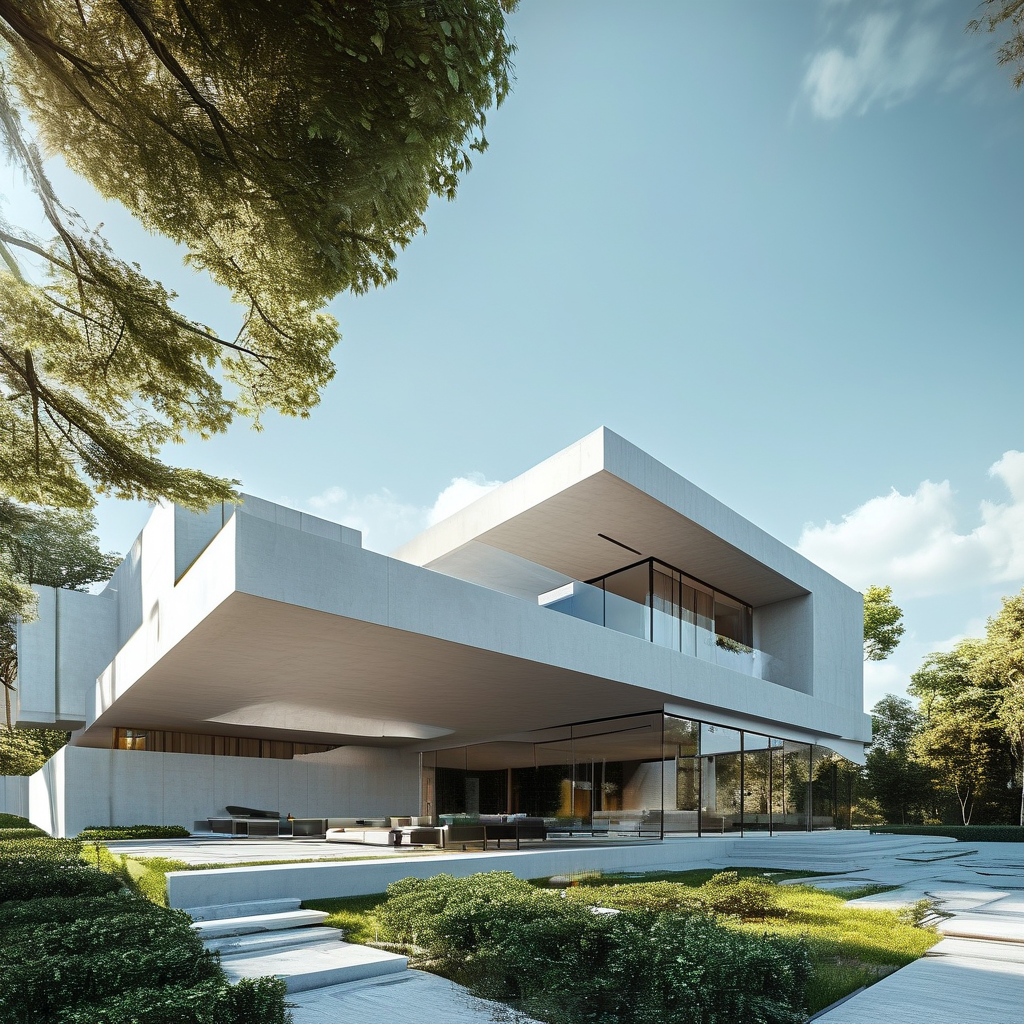
Heritage preservation and adaptive reuse are becoming central to the architectural discourse as cities seek to balance historical integrity with modern development needs. This approach not only respects the cultural and architectural heritage of a place but also promotes sustainability by reducing waste and conserving resources. Adaptive reuse involves transforming old buildings for new purposes, which can often be more cost-effective than new construction. For instance, the adaptive reuse of the former Royal Mail building in London has transformed it into a vibrant mixed-use space, integrating retail, office, and residential functions while preserving its historic facade. In China, similar projects are gaining traction, such as the renovation of the Old Factory in Beijing, which now serves as a cultural and technology hub. These projects demonstrate how innovative design can breathe new life into historical structures, making them relevant to contemporary urban life and contributing to the unique identity of cities.
行业资讯
Heritage Preservation and Adaptive Reuse: Bridging the Past and Future
DEHE·每日早讯
2026-08-11