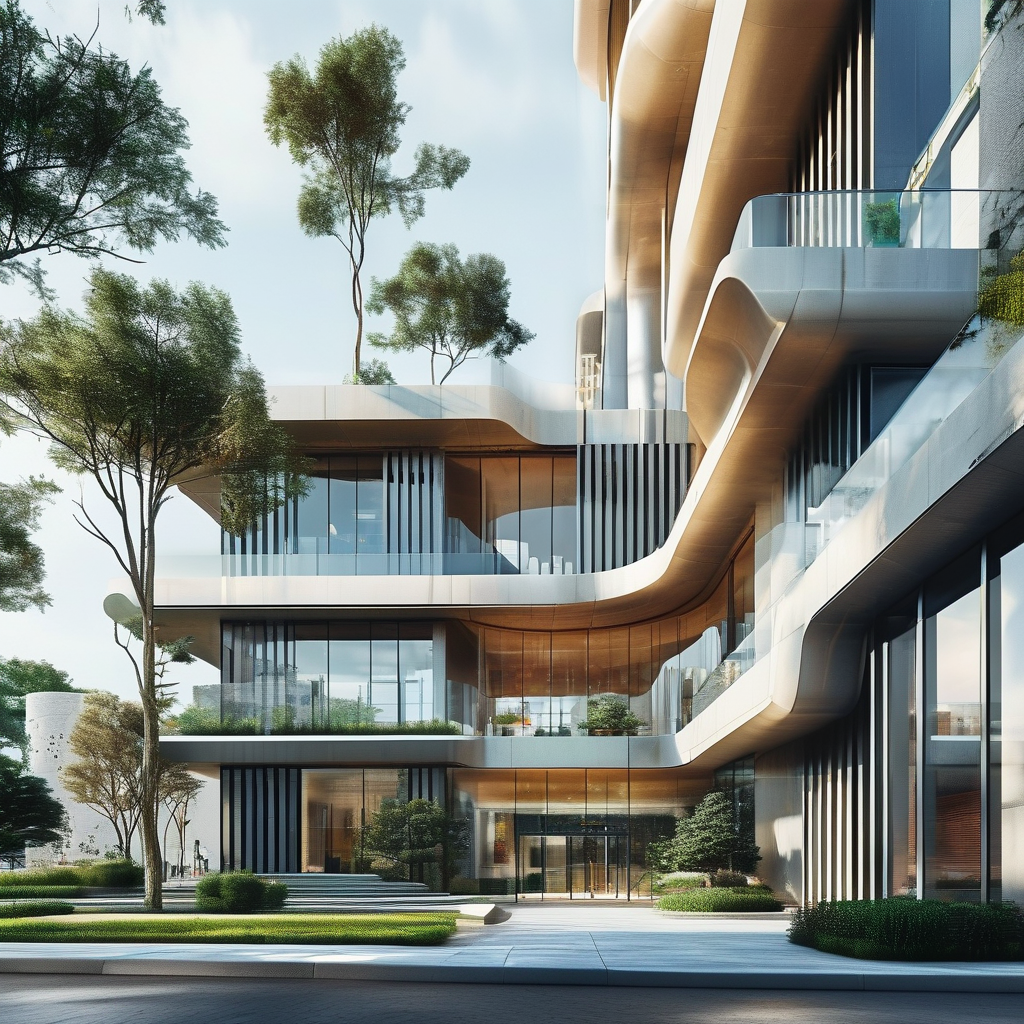
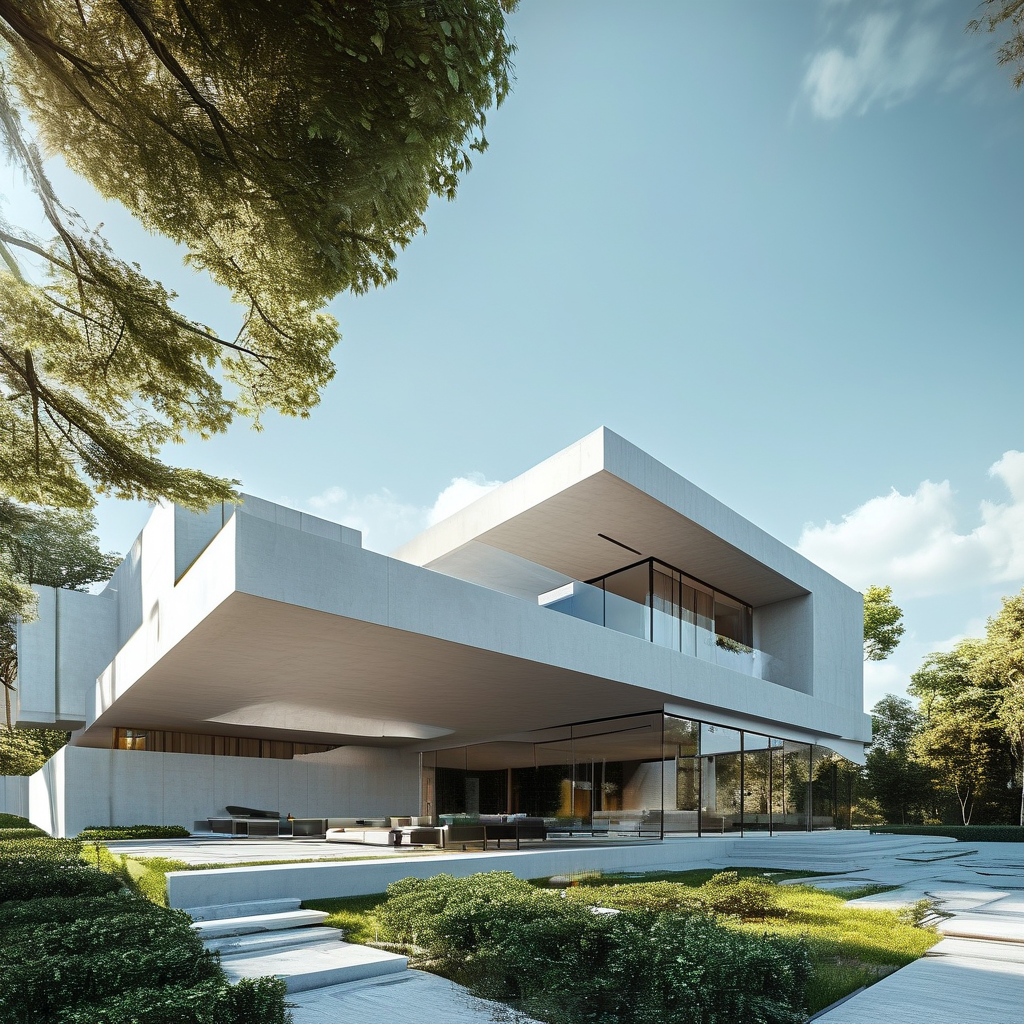
The development of smart city infrastructure is revolutionizing urban planning, offering new solutions to the challenges of growing urban populations. Technologies such as IoT, AI, and big data are being integrated into the fabric of cities, enabling planners to create more efficient and sustainable urban environments. One of the key aspects of smart city infrastructure is the ability to collect and analyze data in real-time, which can inform decisions on traffic management, public safety, and energy use. For instance, smart traffic systems can reduce congestion and improve travel times, while smart lighting can lower energy consumption and enhance safety. DEHE Architecture has been at the forefront of incorporating these technologies into its designs, focusing on how they can enhance the livability and functionality of urban spaces. According to industry discussions, the future of urban planning lies in the seamless integration of smart technologies that not only improve the quality of life for residents but also support sustainable development goals. As cities around the world adopt these innovations, DEHE continues to explore how it can contribute to the creation of smarter, more connected communities.
行业资讯
Smart City Infrastructure and Its Impact on Urban Planning
DEHE·每日早讯
2026-08-05