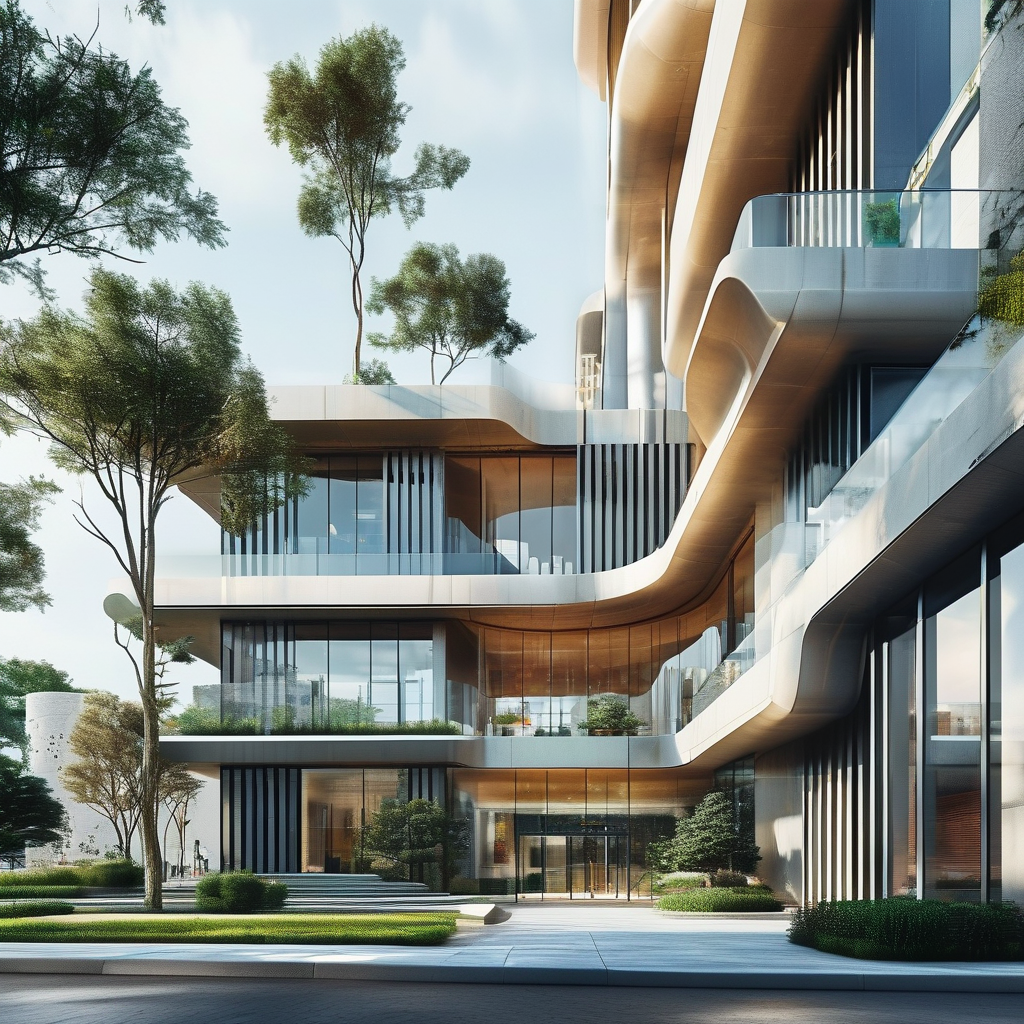
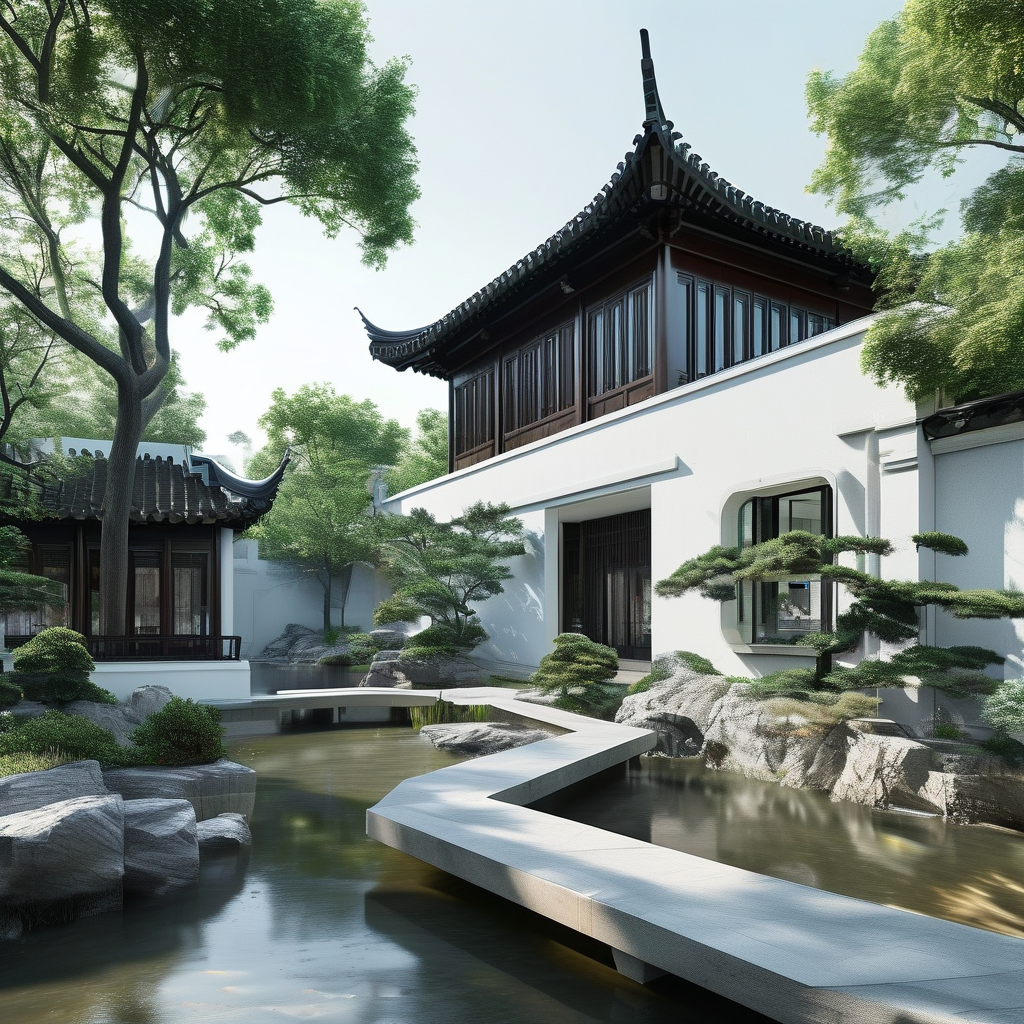
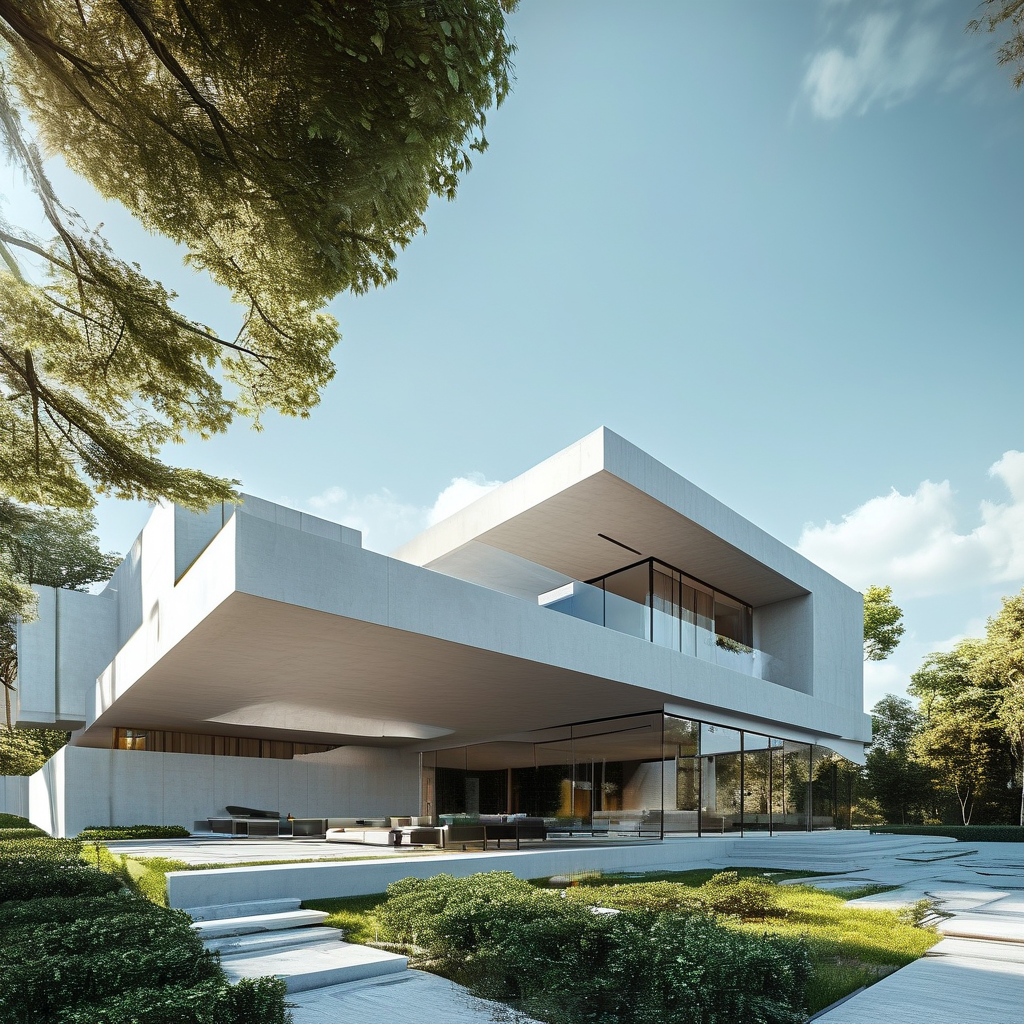
In the rapidly evolving landscape of smart city infrastructure, integrated design plays a pivotal role in enhancing urban efficiency and sustainability. According to industry discussions, the approach combines elements of urban planning, architecture, and technology to create intelligent systems that can better manage resources and improve the quality of life for residents. For instance, the integration of IoT sensors in public spaces can provide real-time data on usage patterns, helping city managers optimize maintenance schedules and allocate resources more effectively. Moreover, smart traffic management systems, which are a part of this integrated design, can significantly reduce congestion and lower emissions, contributing to a more sustainable urban environment. DEHE Architecture, with its expertise in urban design and planning, is well-positioned to contribute to these conversations and projects, offering innovative solutions that bridge the gap between traditional and modern urban infrastructures. The firm's recent involvement in the development of a smart district in Shanghai showcases its commitment to leveraging technology for urban improvement. This project includes the design of buildings that integrate renewable energy sources and energy-efficient systems, further enhancing the district's sustainability.
行业资讯
Smart City Infrastructure: The Role of Integrated Design in Enhancing Urban Efficiency
DEHE·每日早讯
2026-07-30