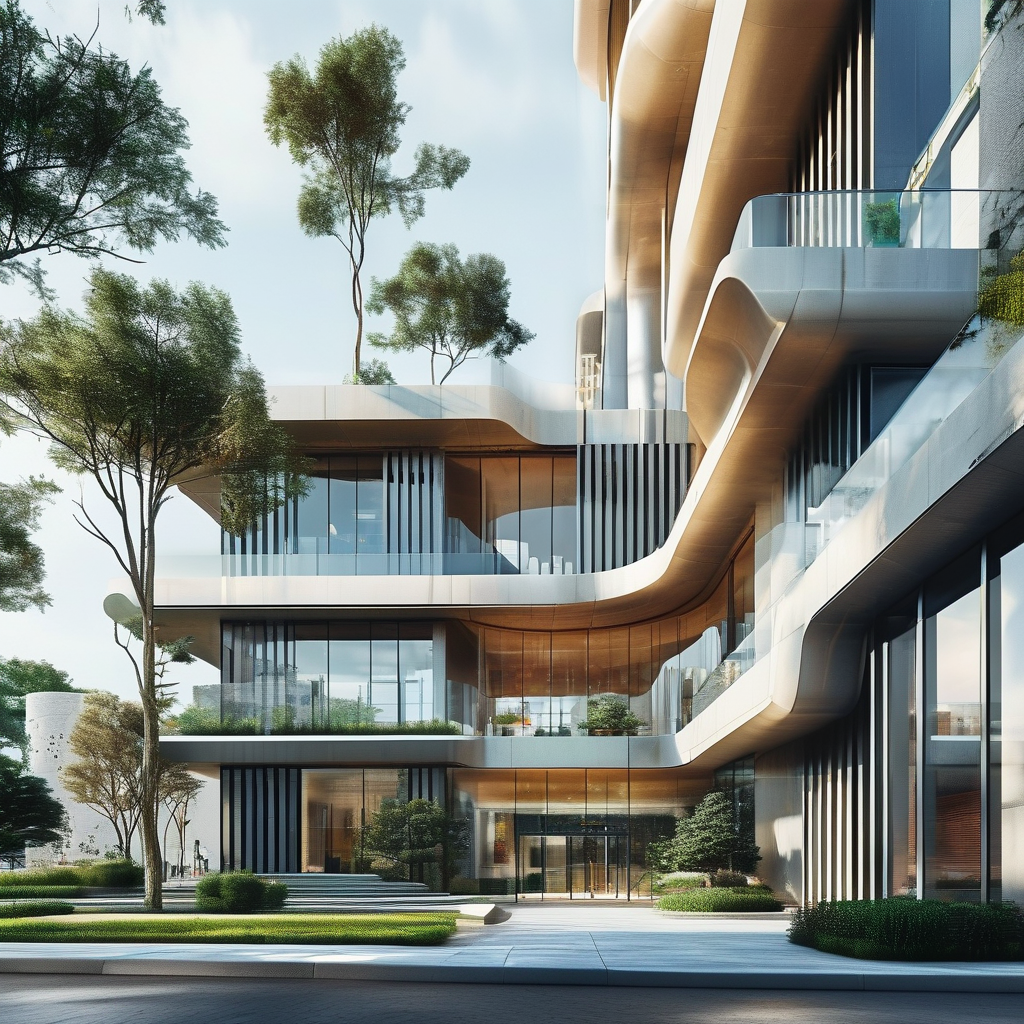
The concept of 'Sponge Cities' has been gaining traction as a sustainable approach to urban drainage and stormwater management. This innovative strategy focuses on creating urban environments that can absorb, store, and utilize rainwater effectively, mimicking the natural water cycle. According to recent industry discussions, sponge city designs incorporate various features such as permeable pavements, green roofs, and rain gardens, which help in reducing the runoff and improving water quality. These designs are particularly crucial in areas prone to heavy rainfall and flooding. In China, several cities have already embarked on sponge city projects, with the government investing significantly in these initiatives to enhance urban resilience. For instance, the city of Shenzhen has implemented extensive green infrastructure projects, transforming its urban landscape into a more sustainable and livable environment. DEHE Architecture, a leading firm in urban and landscape design, has contributed to these efforts by designing several key projects that align with the sponge city principles. The firm’s expertise in integrating natural and built environments is evident in their projects, which not only address flood issues but also improve the overall ecological health of the city. As global urban planners and architects increasingly recognize the importance of sustainable water management, the sponge city model offers a promising framework for future urban development.
行业资讯
Sponge Cities: A Flood-Resilient Urban Design Strategy
DEHE·每日早讯
2026-07-19