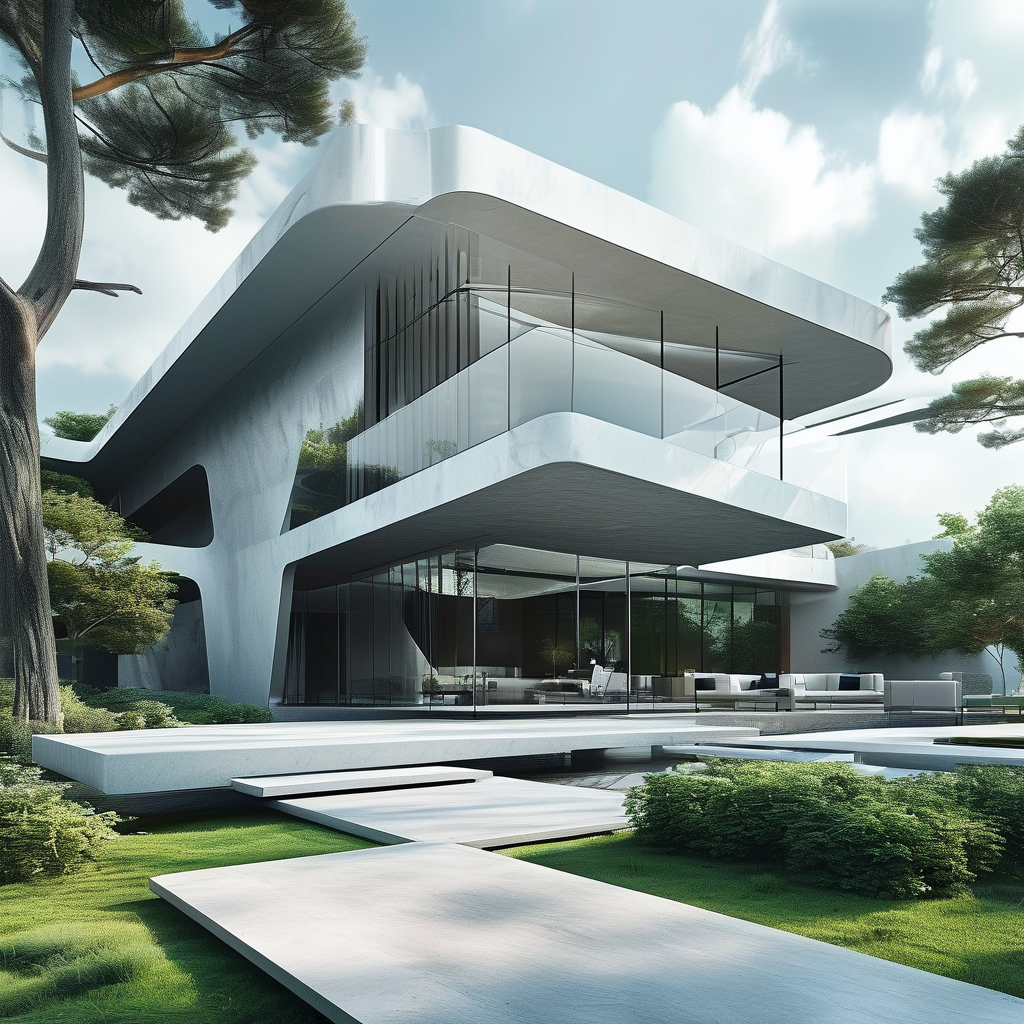
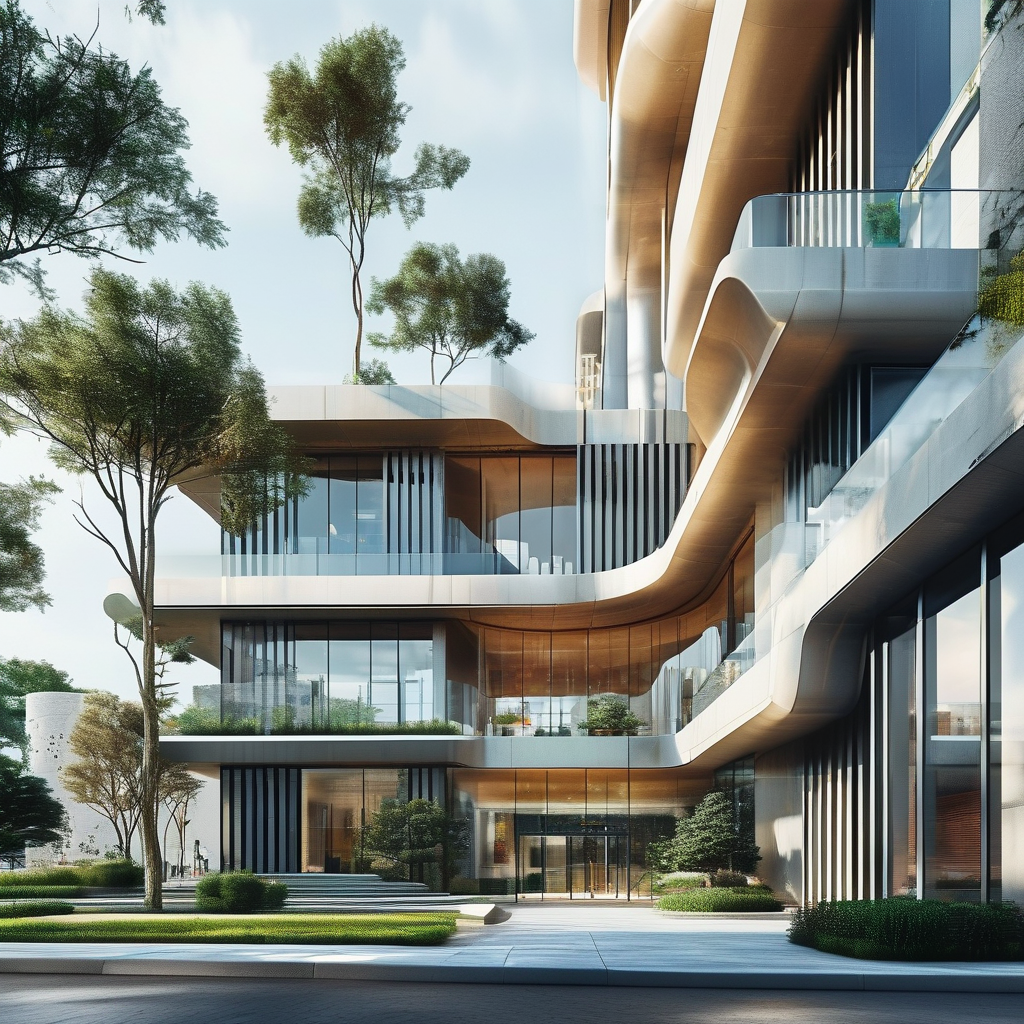
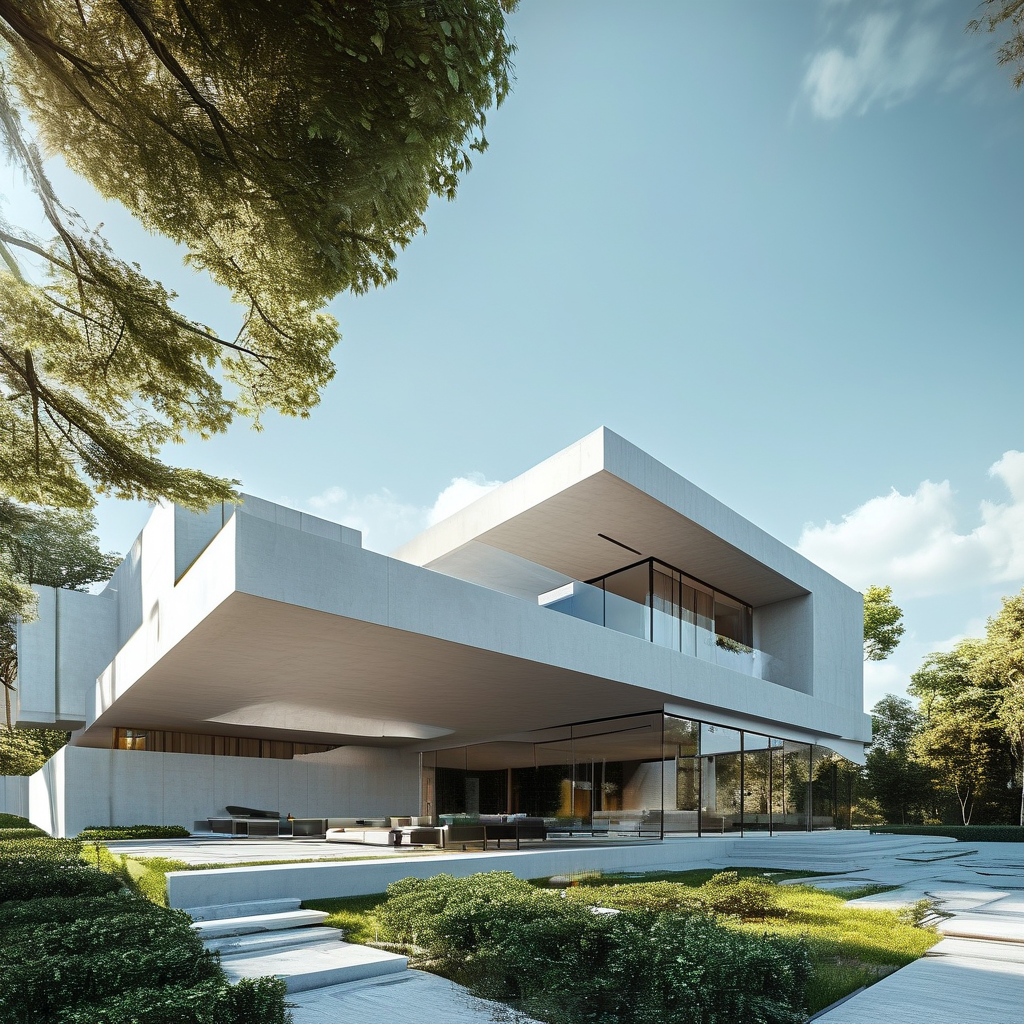
The integration of artificial intelligence (AI) into architectural design is transforming the industry, enabling more efficient, personalized, and sustainable solutions. AI tools can now analyze vast amounts of data to optimize building designs, from energy consumption to user experience. For instance, AI can simulate various environmental conditions to predict the best orientation and layout for a building, ensuring it maximizes natural light and minimizes energy use. Additionally, AI-driven design platforms are making it easier for architects to collaborate with engineers, clients, and other stakeholders, streamlining the design process and reducing errors. However, the adoption of AI in architecture also raises ethical and practical questions, such as the potential for job displacement and the need for robust data governance. As the technology advances, there is a growing consensus that AI will complement rather than replace human creativity and intuition in the design process. For firms like DEHE Architecture, embracing AI can lead to innovative projects that push the boundaries of what is possible in architectural design and urban planning, while maintaining a focus on human-centric solutions.
行业资讯
AI and the Future of Architectural Design
DEHE·每日早讯
2026-07-02